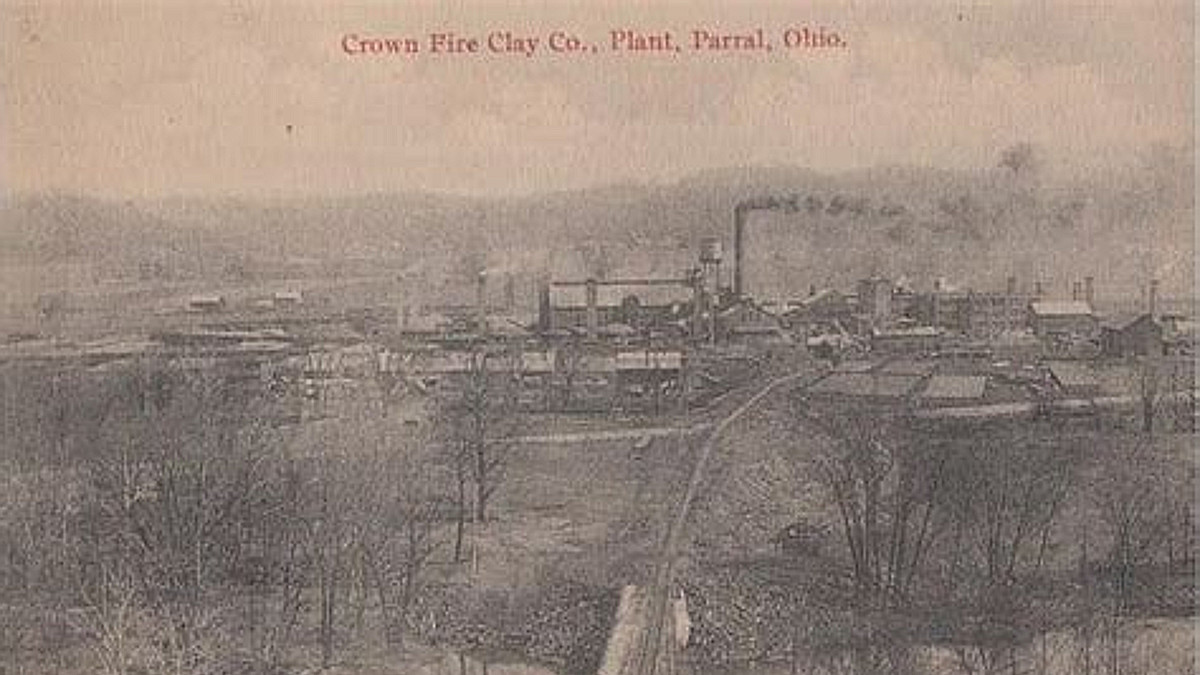
A 1921 brickyard argument turned deadly, leading to a trial partially decided by a baseball legend.
During the Great Migration, a period of American history when millions of black southerners moved to find work in the industrialized cities of the north, many found themselves in Tuscarawas County, Ohio.
A fatal confrontation occurred at the Crown Fire Clay Company plant north of Dover, Ohio, around 11:30 a.m. on August 2, 1921. The incident began as an altercation between two women, Bessie Fletcher (c. 1893-?) and Louise Faig (c. 1880-?). Newspaper accounts described Louise Faig as the housekeeper of George Andrews (c. 1878-1921) and census records from the previous year show Louise Faig living in Uhrichsville with her husband. During their argument on that Tuesday morning, Louise Faig allegedly cut Bessie Fletcher with a knife, and Bessie struck Louise Faig over the head with a shovel. In response, Bessie’s husband Henry Fletcher (c. 1883-?) took up the fight and stabbed George Andrews with a large knife. The weapon inflicted a wound six inches deep directly into George’s heart and he died almost immediately.
Shortly after the stabbing, the Sheriff and his Deputies arrived at the scene and sought out Henry Fletcher at his home. Fletcher admitted to the killing and was taken into custody without resistance. The Coroner held an inquest at a local morgue, while Bessie Fletcher and Louise Faig were also detained in the county jail as witnesses. Although the women were initially held under bond, they were eventually released after authorities learned of additional witnesses to the crime.
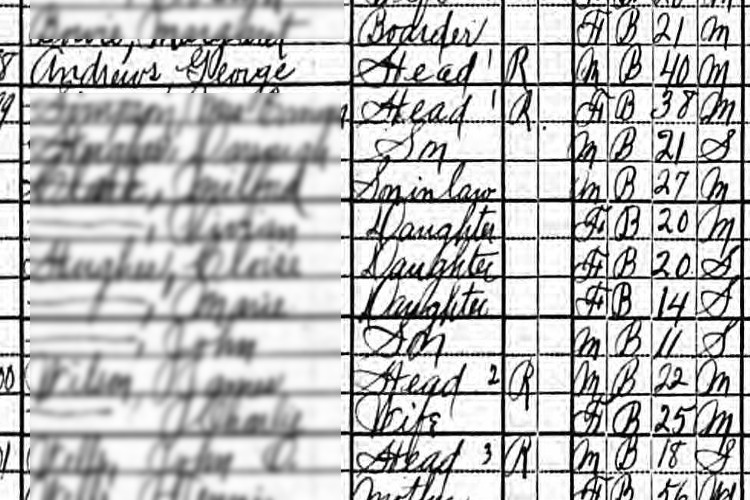
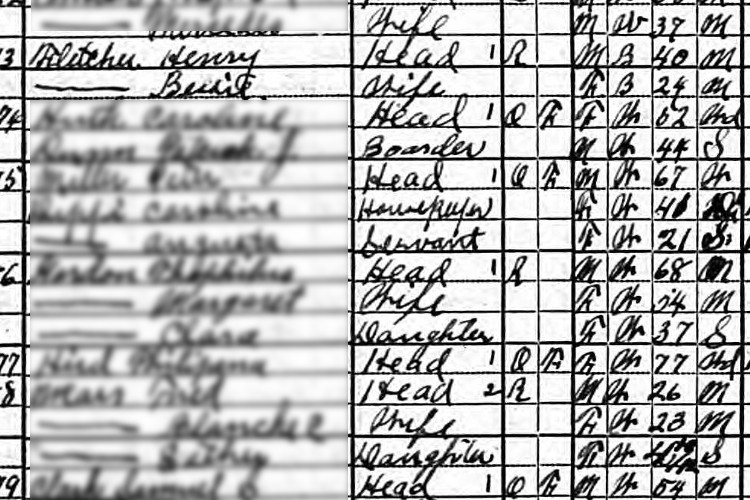
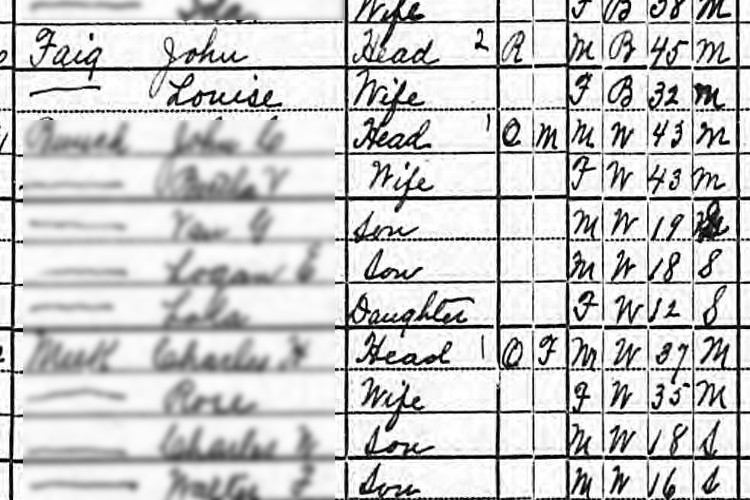
The legal process moved swiftly as Henry Fletcher appeared before the Justice of the Peace, where he waived his right to an examination and was bound over without bond. By mid-September, the Grand Jury returned a indictment of him for first-degree homicide. On September 21, 1921, the Sheriff personally served a certified copy of this indictment to the defendant. During his arraignment on September 29, the defense attorney filed motions to quash the indictment and a demurrer, but these were overruled by the court, and Henry Fletcher entered a plea of not guilty.

Throughout October and November, the Sheriff worked to assemble a jury pool by serving summonses for a special venire. These notices were delivered to dozens of local citizens, either in person or by leaving them at their usual places of residence. On November 28, 1921, the Sheriff provided Henry Fletcher with a certified copy of the jury panel. The court record reflects significant preparation as the trial date approached for the homicide charge.
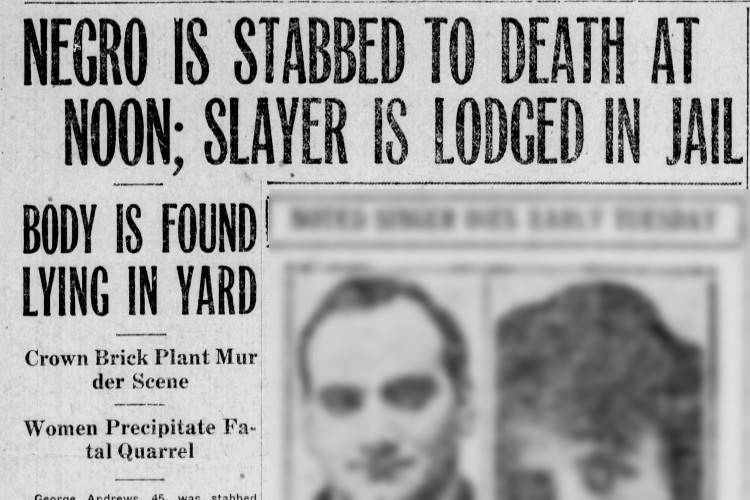
New Philadelphia, Ohio newspaper article on the killing of George Andrews by Henry Fletcher, August 1921. (Source: newspapers.com) 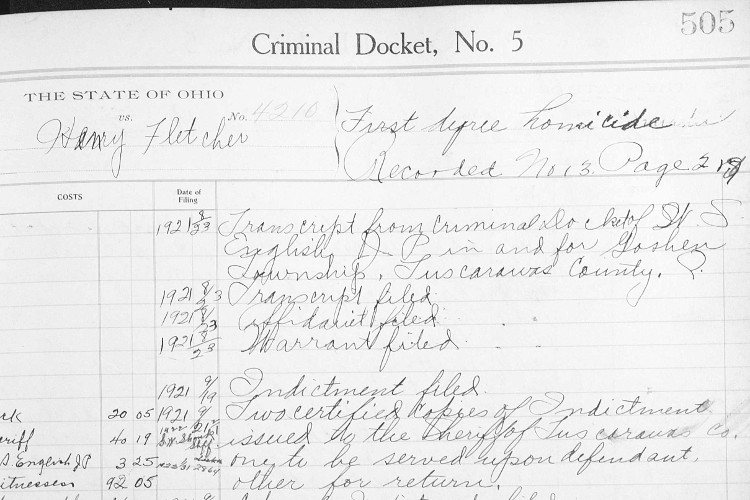
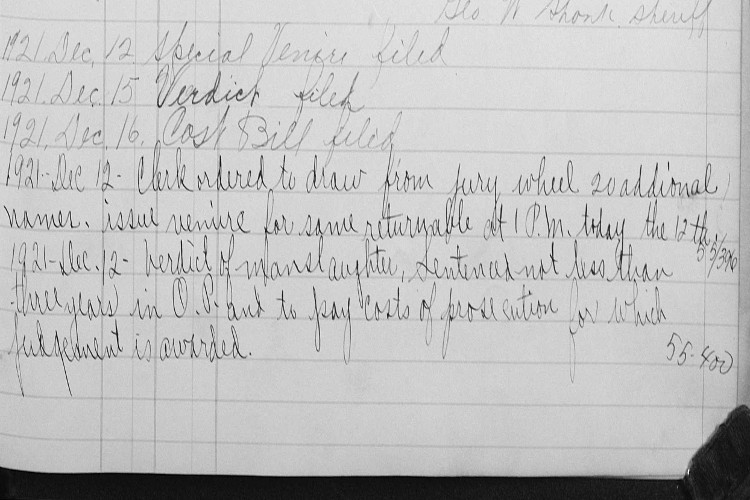
Detail from the Tuscarawas County criminal court docket for the case of State of Ohio vs. Henry Fletcher, 1921. (Source: familysearch.org) 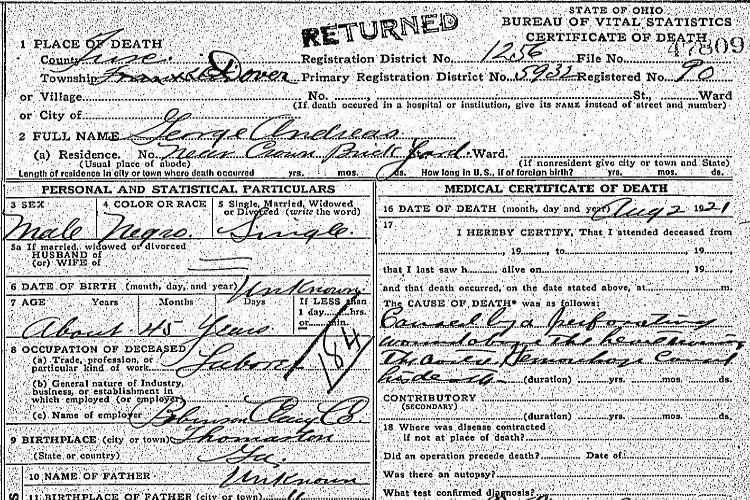
Detail from George Andrews’ death certificate, August 1921. (Source: familysearch.org)
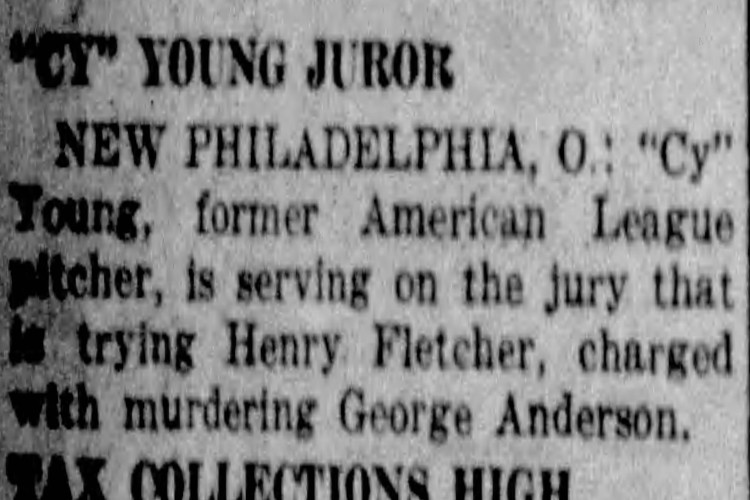
As the trial progressed in December, the Clerk was ordered to draw twenty additional names from the jury wheel to complete the panel. This second special venire was summoned on December 12, 1921, to ensure a full set of jurors was available for the proceedings. Among those serving on the jury was former American League pitcher “Cy” Young, increasing the local interest in the case. The trial focused on the events of the August quarrel and the degree of Henry Fletcher’s culpability.
On December 15, 1921, the jury returned its final verdict in the case. While the original indictment was for first-degree homicide, the jury found Henry Fletcher guilty of the lesser charge of manslaughter. The court sentenced him to a term of not less than three years in the state penitentiary. Additionally, he was ordered to pay the costs of the prosecution, which the Clerk and Auditor later calculated to be $188.04. Given the itinerant nature of those involved in the case, it is difficult to trace their subsequent lives after the tragic events of 1921.
Enjoy the stories?

© Noel B. Poirier, 2026.

