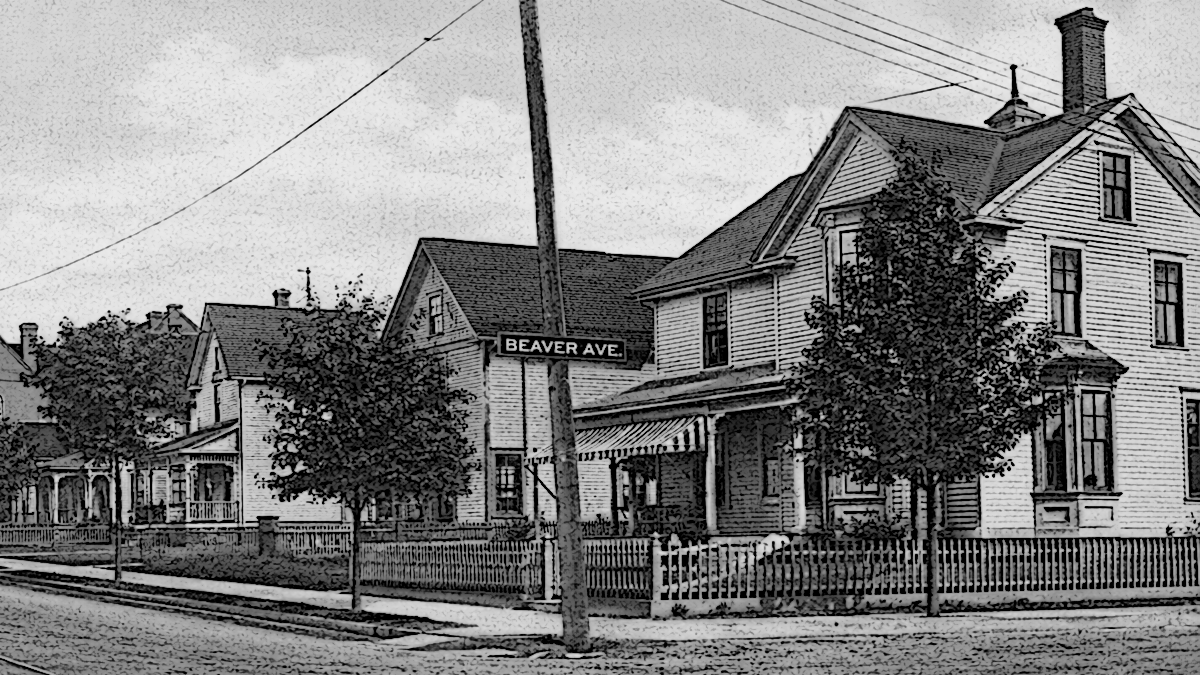
A New Philadelphia teen desperately defended his family from his abusive stepfather.
Content warning: The following story contains references to domestic violence. If you are experiencing domestic abuse or violence and need help, please visit the National Domestic Violence Hotline.
The story begins with Catherine Swan Nelson (1867-1957), a Swedish immigrant who, after being widowed from her first husband, married Joseph Reed (1865-1914), a Welsh immigrant, in Pennsylvania in 1904. The family resided on the 200 block of Beaver Avenue (also known as Beaver-dam road) in New Philadelphia, Ohio by 1914. The household was a blended one, consisting of Catherine’s sons from her first marriage, including a son named Samuel Nelson (1896-1922), and her young son with Joseph. The men of the family, including the stepsons and Joseph, all worked as coal miners at the Reeves No. 2 mine.
The Reed home was far from peaceful due to Joseph Reed’s alcoholism and history of violence. While Joseph was described as a good man when sober, he was notoriously dangerous when intoxicated and had previously been arrested for firing a shotgun in his home. The situation reached a breaking point on Tuesday, December 8, 1914, when Joseph became enraged that his stepsons’ shoes were wet. He threw their shoes into a fire and spent the night threatening to kill the entire family, keeping them awake in terror until midnight.
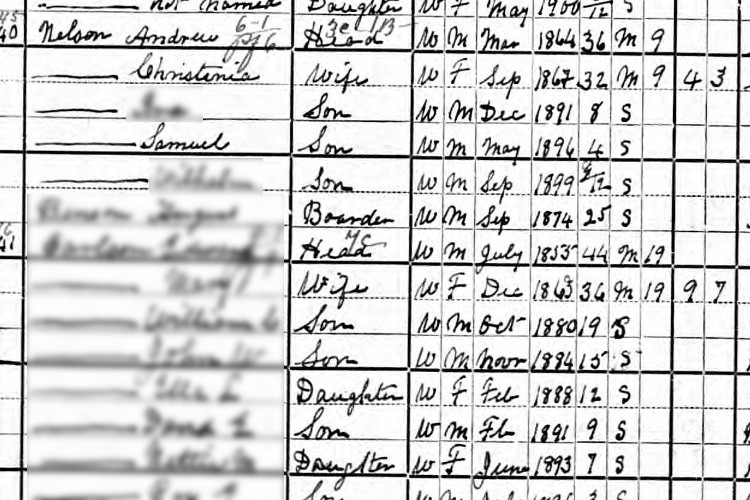
The Nelson family, including Samuel Nelson, recorded on the 1900 census for Jefferson County, Pennsylvania. (Source: familysearch.org) 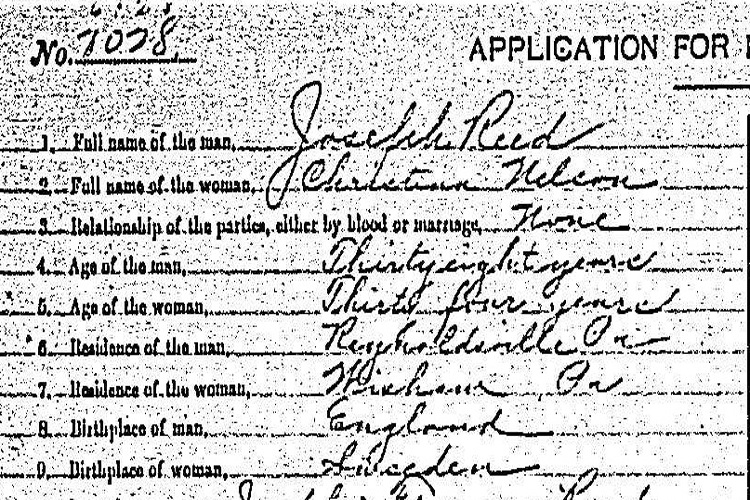
The marriage of Joseph Reed and Catherine Nelson recorded in Pennsylvania marriage records, January 1904. (Source: familysearch.org) 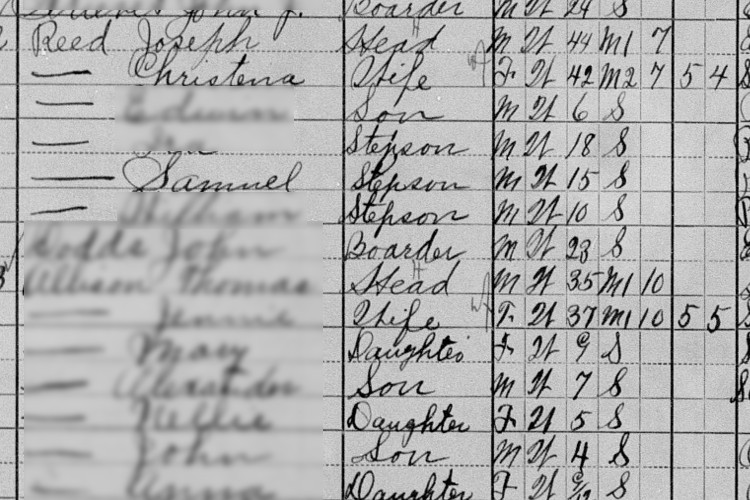
The Reed family, including Samuel Nelson, recorded on the 1910 census for Tuscarawas County, Ohio. (Source: familysearch.org)
The following afternoon, Joseph and a friend returned home under the influence of liquor and Joseph renewed his threats. Armed with a large pair of scissors, he cornered the family in the kitchen. Fearing for his mother’s life, 18-year-old Samuel Nelson retrieved a .38-caliber revolver from his room. A struggle ensued in which Joseph allegedly grabbed Samuel by the throat; Samuel fired twice, striking Joseph in the heart and lungs. Joseph Reed died fifteen minutes later, and Samuel immediately surrendered to New Philadelphia police, sobbing that he had acted only to protect his mother.
Samuel was held in the Tuscarawas County jail, initially facing a charge of second-degree murder, which was later reduced to manslaughter. His arraignment before the Mayor was a scene of great emotional distress, with his mother and brothers Ira and William providing support. Public sentiment heavily favored Samuel, bolstered by the fact that Joseph’s own brothers testified that Samuel was a “good boy” and that the shooting was a clear act of self-defense.
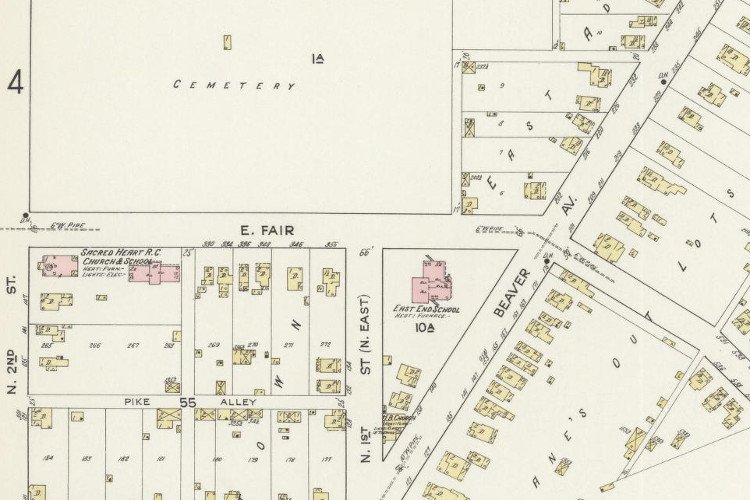
Beaver Avenue in New Philadelphia, Ohio depicted on the 1914 Sanborn Fire Insurance Map. (Source: loc.gov) 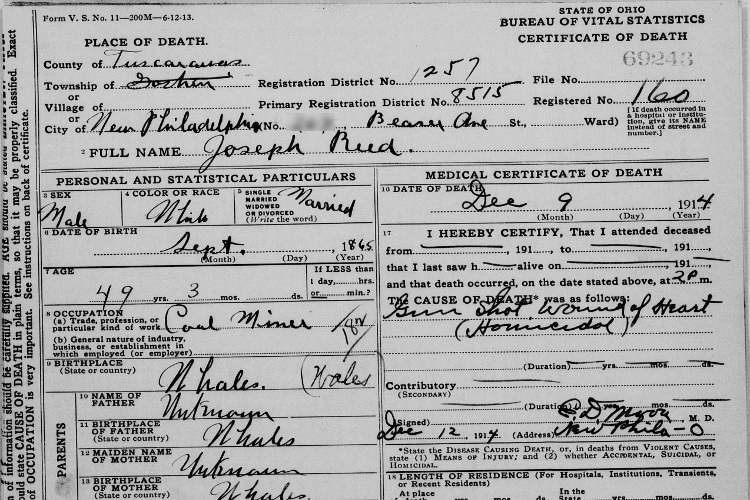
Joseph Reed’s death certificate, December 1914. (Source: familysearch.org) 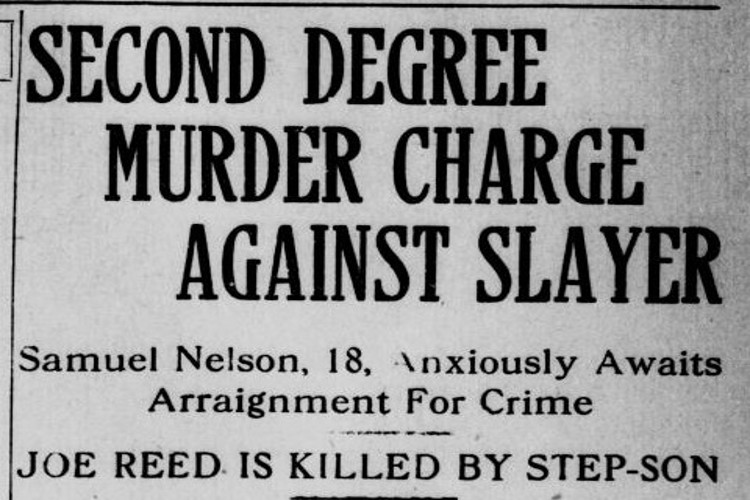
New Philadelphia, Ohio newspaper headline about the killing of Joseph Reed, December 1914. (Source: newspaperarchive.com)
Samuel’s case was presented to a grand jury in January 1915 and after hearing the testimony of witnesses who verified Joseph’s continued cruelty, the grand jury refused to indict Samuel, officially exonerating him on January 12, 1915. Samuel was released from his bond and returned to work at the coal mines, vowing to remain in the area and help support his mother for as long as he was able.
Samuel’s later years were marked by domestic instability and declining health. He married in 1916, but the marriage was short-lived and characterized by mutual charges of assault and neglect before ending in divorce in early 1919. He attempted to serve in World War I, but was discharged after only a month due to heart trouble. He married again in late 1919 and Samuel eventually left the mines to work as a streetcar conductor in Canton, but his life came to a sudden end on August 17, 1922. He collapsed and died of heart disease while on duty, leaving behind a widow and young child. His passing served as a final public reminder of the 1914 tragedy, as local newspapers recounted how the former coal miner had once been exonerated for the desperate act of killing his stepfather in self-defense to save his family
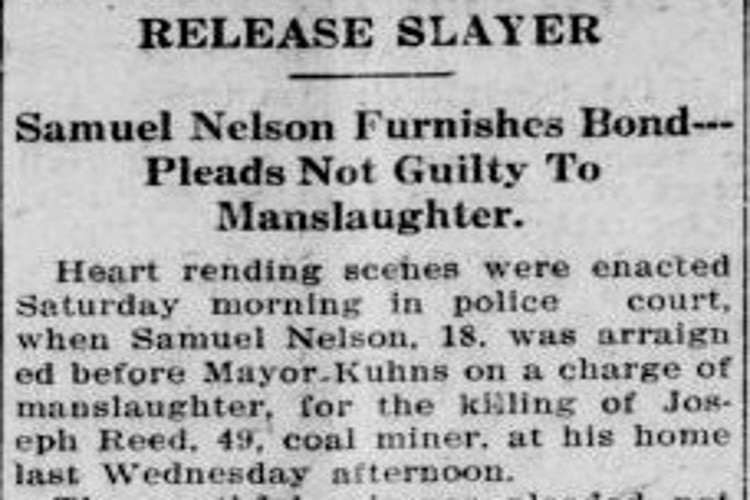
New Philadelphia, Ohio newspaper headline about the arraignment of Samuel Nelson for the killing of Joseph Reed, December 1914. (Source: newspaperarchive.com) 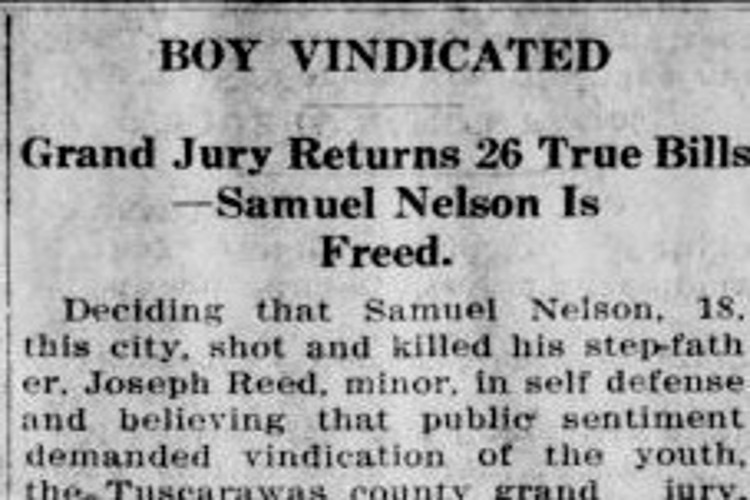
New Philadelphia, Ohio newspaper headline on the grand jury’s decision to not indict Samuel Nelson for the killing of Joseph Reed, January 1915. (Source: newspaperarchive.com) 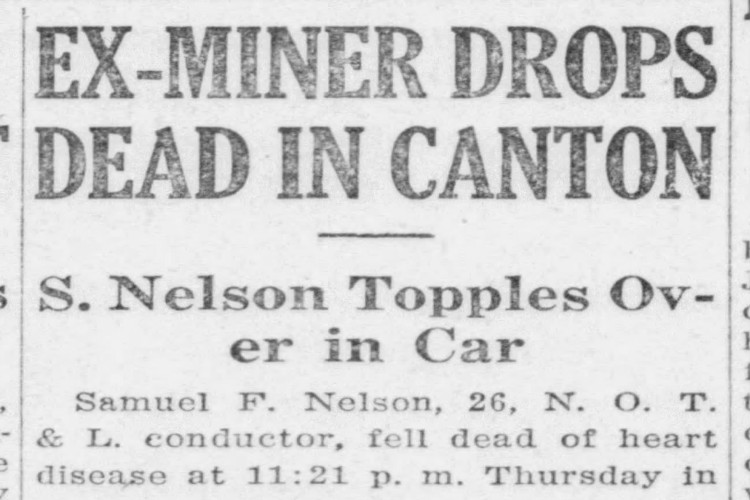
New Philadelphia, Ohio newspaper headline on the death of Samuel Nelson, August 1922. (Source: newspapers.com)
Enjoy the stories?
© Noel B. Poirier, 2025.


Samuel Nelson was my great uncle. His brother Ira was my Grandpa.
LikeLike