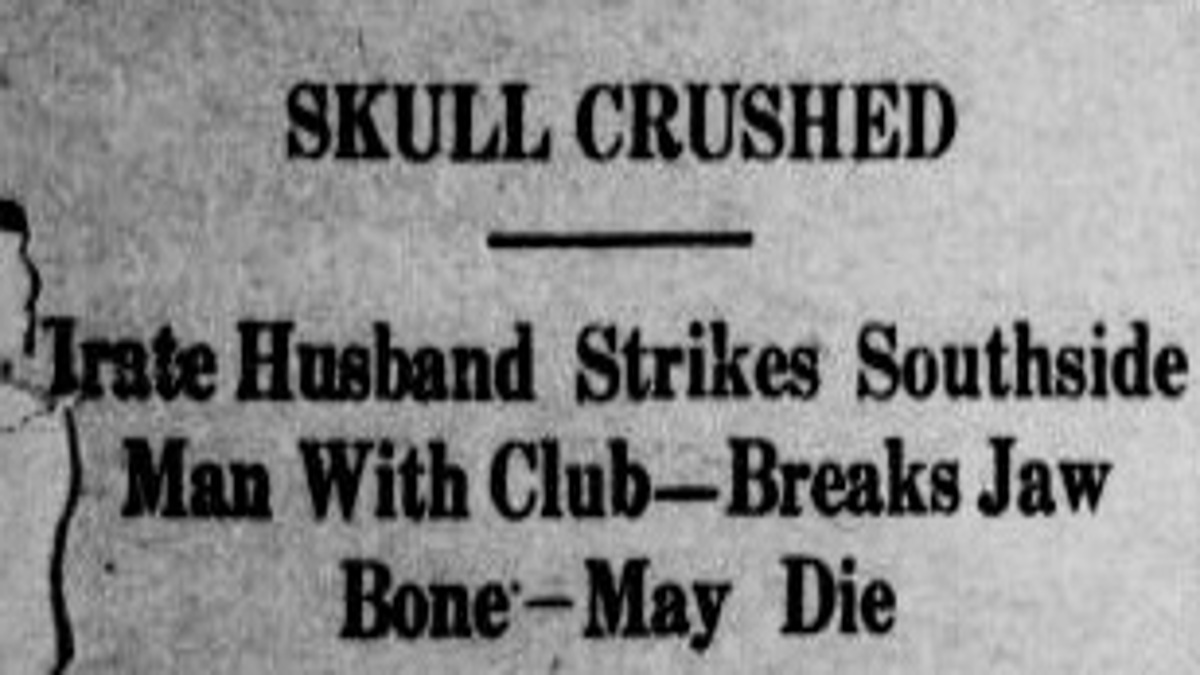
A jealous husband’s brutal midnight ambush in 1913 culminated in scandal and unexpected justice.
On the cold, dark night of January 30, 1913, in New Philadelphia, Ohio, a trap was sprung on West Ray Street. Elmer Anderson (1891-1963), a 21-year-old machinist working the night shift at the Belmont Stamping & Enameling Works, received a unsettling tip from a co-worker that Charles Young (1891-1945) was secretly visiting his wife, Lydia Anderson (1892-1970), at their home. Tipped off and accompanied by his father-in-law, Anderson rushed home to catch the intruder red-handed. The father-in-law knocked heavily at the front door to panic Young into fleeing through the rear exit, where Anderson was waiting armed with a three-foot wooden club embedded with two protruding nails. As Young bolted into the darkness, Anderson struck him across the face and head, driving the nails through his cheek and fracturing both his skull and lower jaw. Young collapsed headlong down a steep flight of brick steps into the yard, pouring out roughly two quarts of blood onto the frozen ground while Anderson kicked his unconscious body before alerting authorities.
When responding patrolmen arrived at the scene, they found Young lying motionless in a pool of blood with his head resting in the lap of Lydia Anderson. Strangely detached from the violence that had just unfolded, Lydia appeared calm and even laughed while being taken into custody by officers. Meanwhile, police tracked Anderson back to his night shift at the enameling plant and placed him under arrest. Searching the crime scene, officers recovered a loaded .38-caliber revolver containing five cartridges, which Anderson claimed had flown from Young’s hand when the club struck him, only for Lydia to hastily retrieve and conceal it inside the house before officers forced her to hand it over.
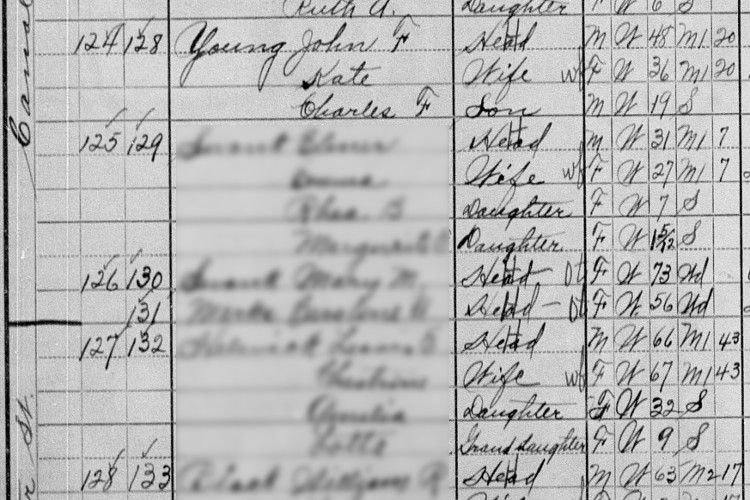
The Young family recorded on the 1910 census for Bolivar, Tuscarawas County, Ohio. (Source: familysearch.org) 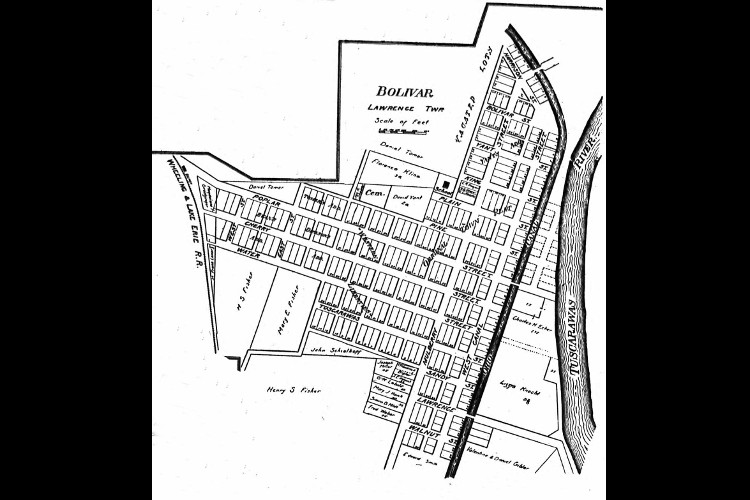
Charles Young was originally from the town of Bolivar, Tuscarawas County, Ohio. (Source: ancestry.com) 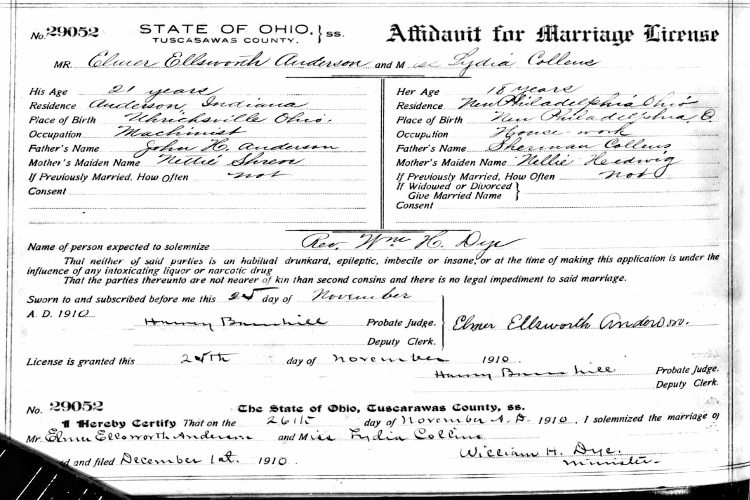
Tuscarawas County, Ohio marriage record of Elmer Anderson and Lydia Collins, November 1910. (Source: familysearch.org) 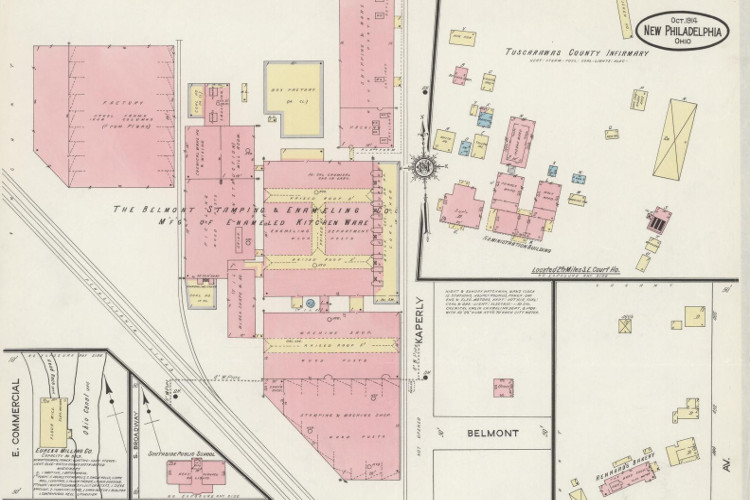
The Belmont Stamping and Enameling Manufactory, as seen on the 1914 Sanborn Map of New Philadelphia, Ohio, where Elmer Anderson worked. (Source: loc.gov)
Rushed to Union Hospital with his skull shattered at the base and a hole torn through his cheek, Young teetered on the brink of death as physicians gave him virtually no chance to survive. Arraigned before New Philadelphia’s mayor on a grave charge of assault with intent to kill, Anderson was released on bond while court proceedings were repeatedly stalled as his victim lay in a unresponsive state. The trial was postponed while doctors monitored Young’s precarious condition. Against all medical expectations, Young slowly regained consciousness and, after nearly three weeks in a hospital bed, was finally discharged in mid-February to continue his recovery at home.

The drama moved to a packed courtroom on March 13, 1913, for Anderson’s preliminary hearing, though Young himself was still too incapacitated to attend. The state presented key witnesses before the mayor, including responding officers, Anderson’s co-worker, and his father-in-law, who recounted the exact sequence of the ambush. The testimony took a turn when officers revealed that Young was already known to local law enforcement, having been brought before the mayor just two weeks prior for taking another married woman to a dance in Klondike. Bound over to the common pleas grand jury under $500 bond, Anderson’s legal fate hung in the balance.
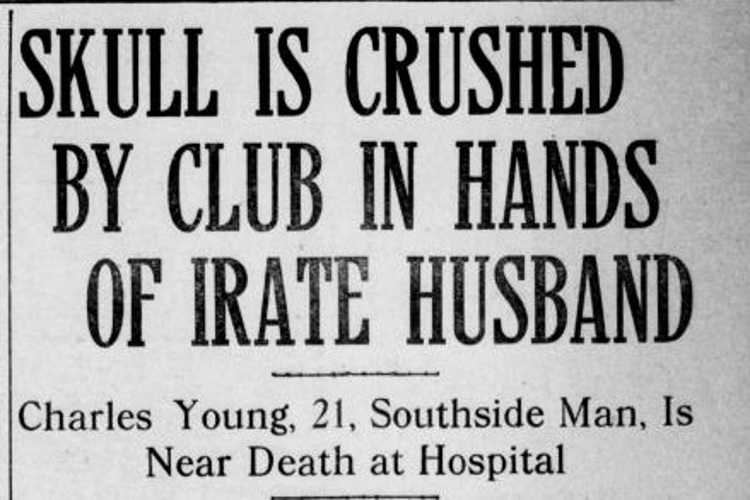
New Philadelphia, Ohio newspaper headline on the attack on Charles Young by Elmer Anderson, January 1913. (Source: newspapers.com) 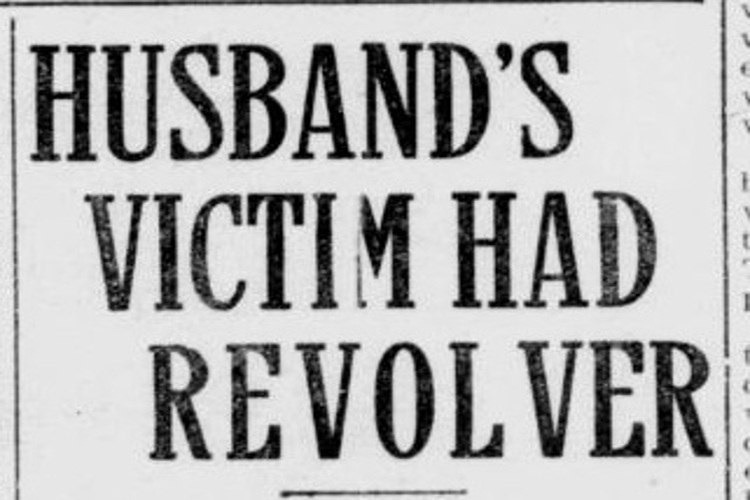
New Philadelphia, Ohio newspaper headline on the news that Charles Young was armed before the attack, February 1913. (Source: newspapers.com) 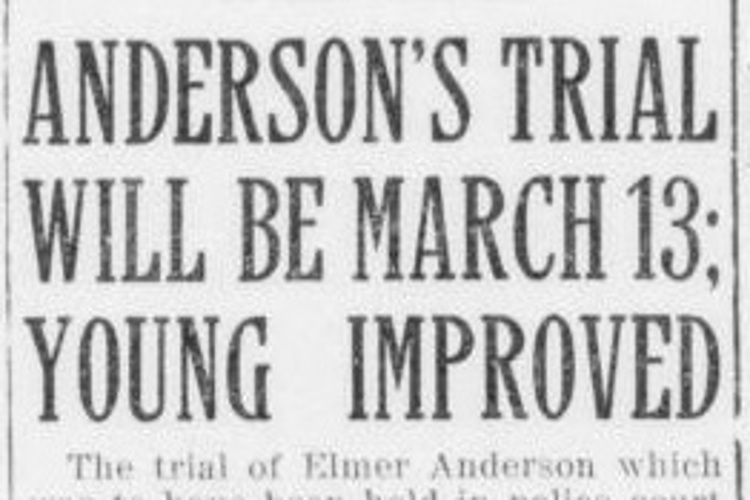
New Philadelphia, Ohio newspaper headline on upcoming trial of Elmer Anderson, February 1913. (Source: newspapers.com)
The case took a twist in early April when Young made a fatal slip of the tongue. Subpoenaed to testify before the grand jury, an anxious Young incautiously blurted out to the acting chief of police on South Broadway that he was “thinking seriously of skipping to New Mexico” to escape the proceedings. The acting chief reacted, slapping handcuffs on Young for carrying a concealed weapon based on the revolver found the night of the attack. Brought before the mayor, Young pleaded guilty and was issued a fine of $49.50 plus costs, a sum deliberately calculated to match his unpaid Union Hospital bill, which his father stepped in to pay by signing a promissory note.
Three days later, on April 10, 1913, the county grand jury delivered a bombshell verdict: they refused to indict Anderson and abruptly dropped all criminal charges against the jealous husband. In the aftermath of the scandal, the lives of the key figures fragmented. Lydia Anderson secured an uncontested divorce from Elmer in October 1915. Elmer Anderson went on to serve in France with the U.S. Army Air Service during World War I, remarried in 1919, worked as an electrician, and lived out his days in North Carolina until his death in 1963. Charles Young moved to Bolivar, Ohio, where he married, worked in local clay product manufacturing plants, and endured profound heartbreak when his 16-year-old son Carl died in 1932, before Young himself passed away from pneumonia in 1945.
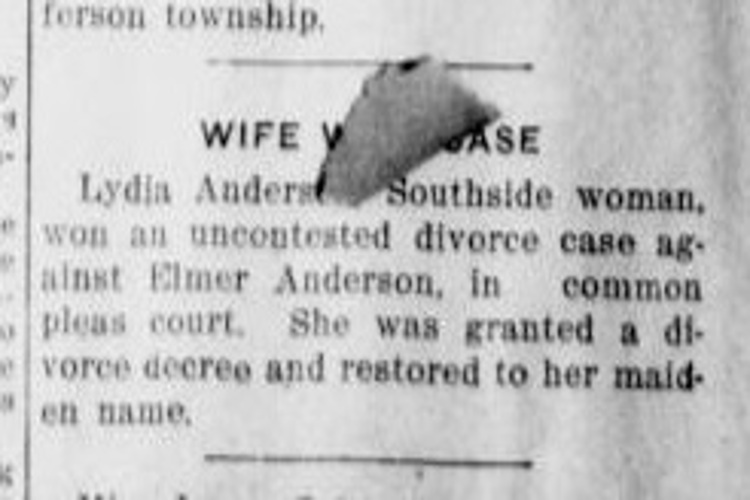
New Philadelphia, Ohio newspaper headline on the Anderson divorce, October 1915. (Source: newspapers.com) 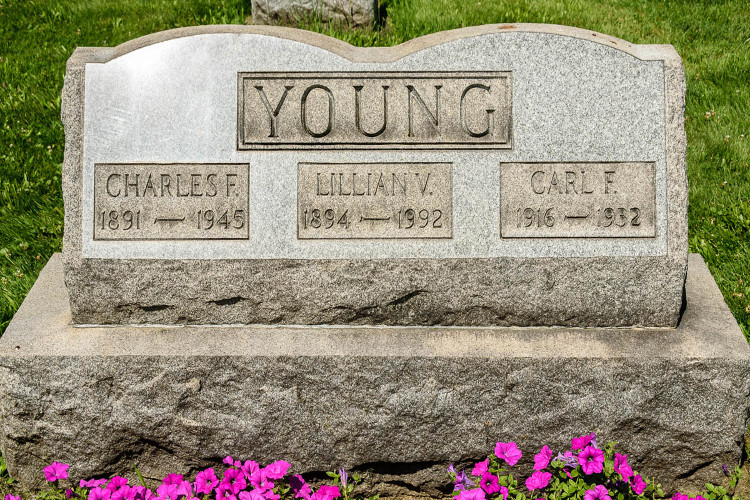
The Young family headstone in Fort Laurens Cemetery, Bolivar, Tuscarawas County, Ohio, 2015. (Source: findagrave.com) 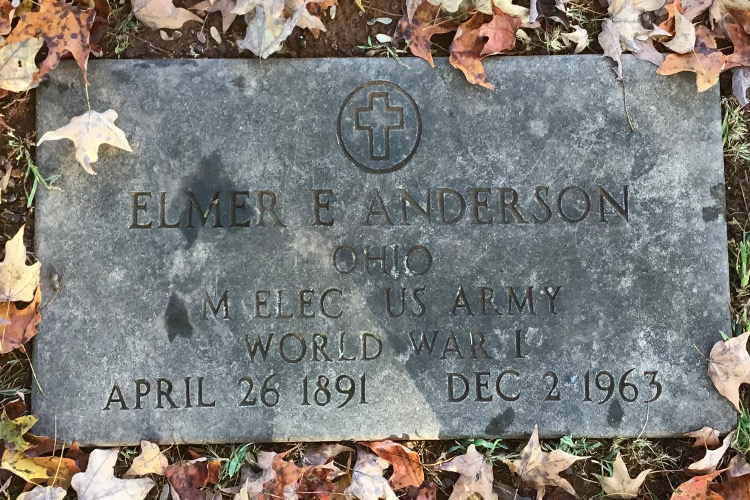
Elmer Anderson’s grave marker in Oakwood Cemetery, Statesville, North Carolina, 2019. (Source: findagrave.com)
Enjoy the stories?

© Noel B. Poirier, 2026.

