
The tragic 1965 shooting of teenager Ronnie Weigand remains a haunting, unsolved Tuscarawas County mystery.
On the afternoon of July 29, 1965, 16-year-old Ronald “Ronnie” Weigand (1948-1965) left his home with a sense of accomplishment. Just that morning, he had received credits from summer school, officially making him a senior for the upcoming fall term. A talented amateur magician known as “Renald the Great,” Ronnie grabbed his .22-caliber rifle and a shooting tripod at approximately 4:30 p.m. to hunt groundhogs on a neighbor’s farm, an activity he enjoyed. He expected to return in time for dinner, which his mother said was “negotiable” since his father was working the afternoon shift at the Timken Roller Bearing Company.
As darkness fell and Ronnie failed to return, Mrs. Weigand grew increasingly worried and began calling neighbors and relatives. A search party of approximately 15 sheriff’s deputies, neighbors, and family members combed the wooded hills near the old Tuscarawas County Infirmary. At 10:15 p.m., the search ended in tragedy when Ronnie’s uncle discovered the boy’s body lying face-down in an open field on the farm of Lawrence “Brownie” Lamport (1907-1979). Ronnie was killed by a single gunshot wound that entered his left side and exited through his right shoulder. His unfired .22-caliber rifle was found nearby, with a shell still in the chamber.
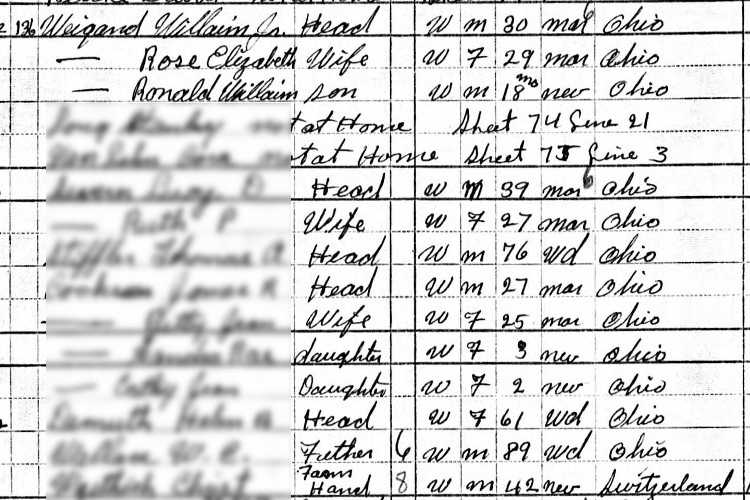
The Weigand family recorded on the 1950 census. (Source: familysearch.org) 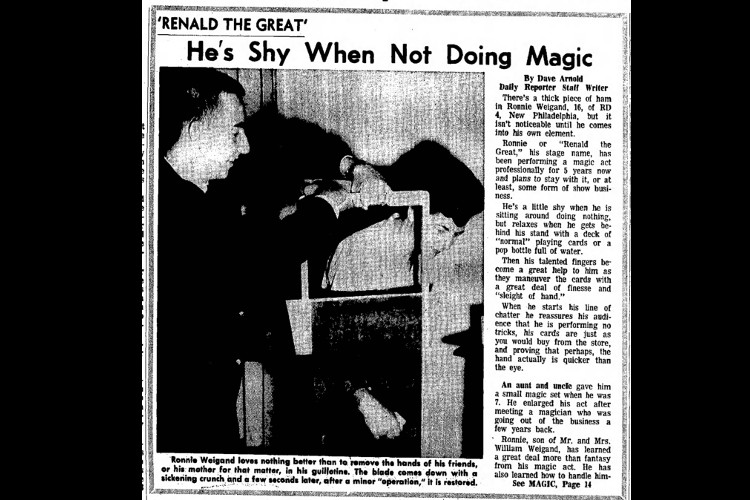
New Philadelphia, Ohio newspaper article on Ronald Weigand’s magic act that appeared just two months before his death, May 1965. (Source: newspapers.com) 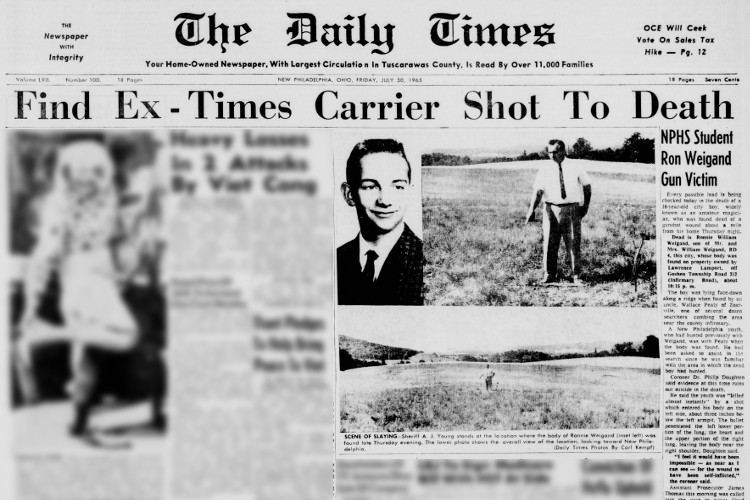
New Philadelphia, Ohio newspaper reporting on the killing of Ronald Weigand, July 1965. (Source: newspapers.com) 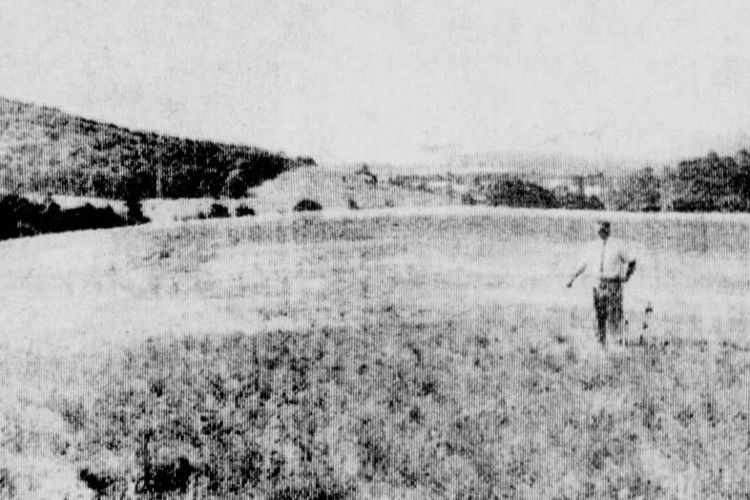
Photograph that appeared in the New Philadelphia, Ohio newspaper showing the location where Ronald Weigand’s body was found, July 1965. (Source: newspapers.com)
The County Coroner tentatively ruled the death an “accidental homicide,” speculating that another hunter may have mistaken Ronnie’s head for a groundhog as he knelt behind a fence row or tripod. Forensic evidence from the Ohio Bureau of Criminal Identification (BCI) revealed an absence of powder burns, indicating the fatal shot was fired from a distance. Furthermore, the size of the wound in Ronnie’s chest led investigators to believe the weapon was a high-powered rifle rather than a .22. Despite an exhaustive search using metal detectors from the Ravenna Arsenal, the fatal bullet was never found, leading to theories that it may have broken into pieces upon impact.
Tuscarawas County Sheriff A. J. Young (1924-1990) launched an investigation, conducting house-to-house interrogations of residents in the Goshen Township area. At least eight local residents submitted to polygraph tests regarding their whereabouts and the weapons they owned. Two young men were questioned after being caught shooting near the scene, but they were eventually cleared of any involvement in Ronnie’s death. Despite these efforts, the investigation struggled to find a definitive lead that could identify the person who pulled the trigger.
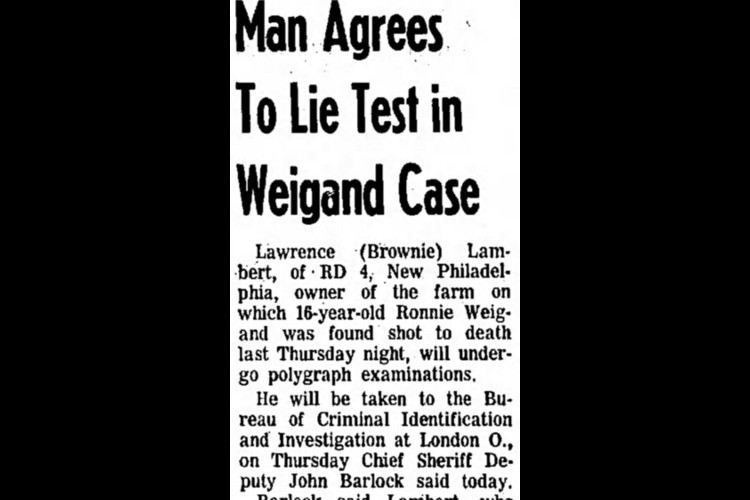
New Philadelphia, Ohio newspaper article on investigation into Ronald Weigand’s killing, August 1965. (Source: newspapers.com) 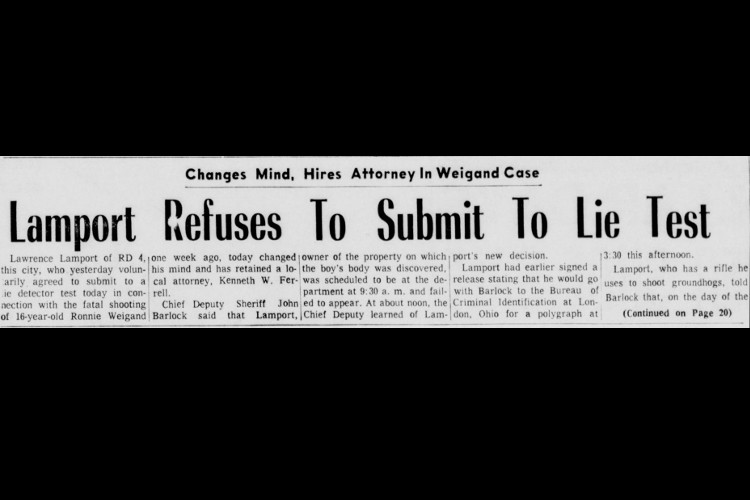
New Philadelphia, Ohio newspaper article on investigation into Ronald Weigand’s killing, August 1965. (Source: newspapers.com) 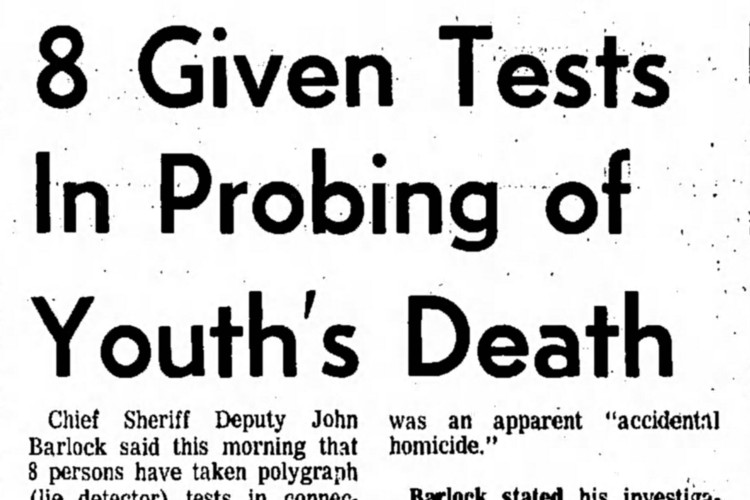
New Philadelphia, Ohio newspaper article on investigation into Ronald Weigand’s killing, August 1965. (Source: newspapers.com)
A primary person of interest was the landowner, Lawrence “Brownie” Lamport, who owned a high-powered rifle he used for hunting groundhogs. Lamport initially cooperated with authorities and signed a release to take a lie detector test. However, on the day he was scheduled to be transported to the BCI laboratory, he changed his mind, hired an attorney, and refused to submit to the examination. While lead fragments from the autopsy were compared with bullets Lamport owned, no conclusive link was ever publicly established.
By 1968, more than two and a half years after the incident, Ronnie’s death remained an unsolved mystery. His parents continued to visit the hilltop where their son died, which was marked by a small American flag. Decades later, in 1993, the case was briefly revisited during the investigation of serial killer Thomas Lee Dillon, but local authorities found no evidence to link him to the 1965 shooting. The identity of the person who snuffed out the life of “Renald the Great” remains unknown to this day, leaving behind a legacy of unanswered questions and possibly a heavy burden on a conscience somewhere in the community.
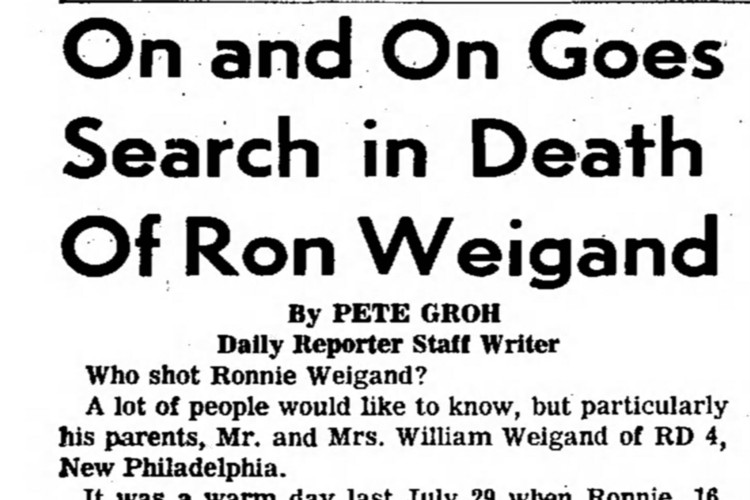
New Philadelphia, Ohio newspaper article on investigation into Ronald Weigand’s killing, December 1965. (Source: newspapers.com) 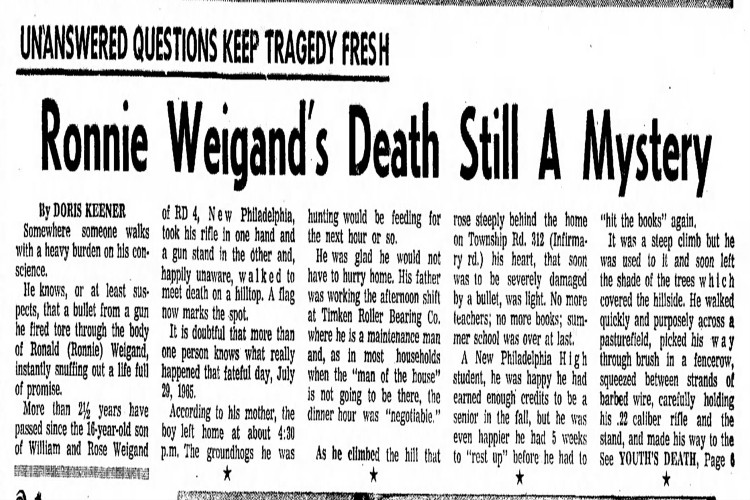
New Philadelphia, Ohio newspaper article on investigation into Ronald Weigand’s killing, March 1968. (Source: newspapers.com) 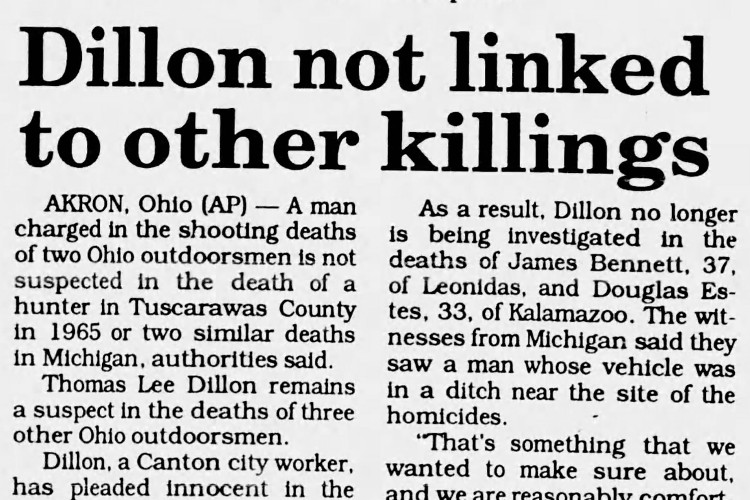
Bryan, Ohio newspaper article on the determination that serial killer Thomas Lee Dillon was not responsible for Ronald Weigand’s killing, February 1993. (Source: newspapers.com) 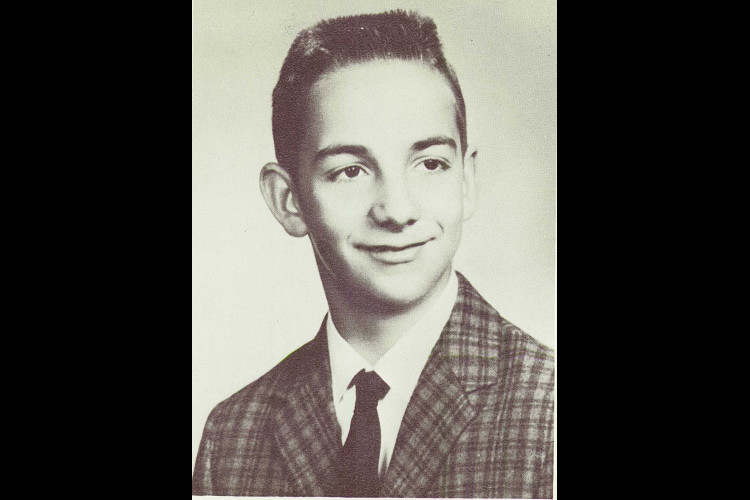
Photograph of Ronald Weigand that appeared as memoriam in the 1966 New Philadelphia High School yearbook. (Source: ancestry.com)
Enjoy the stories?
© Noel B. Poirier, 2026.

