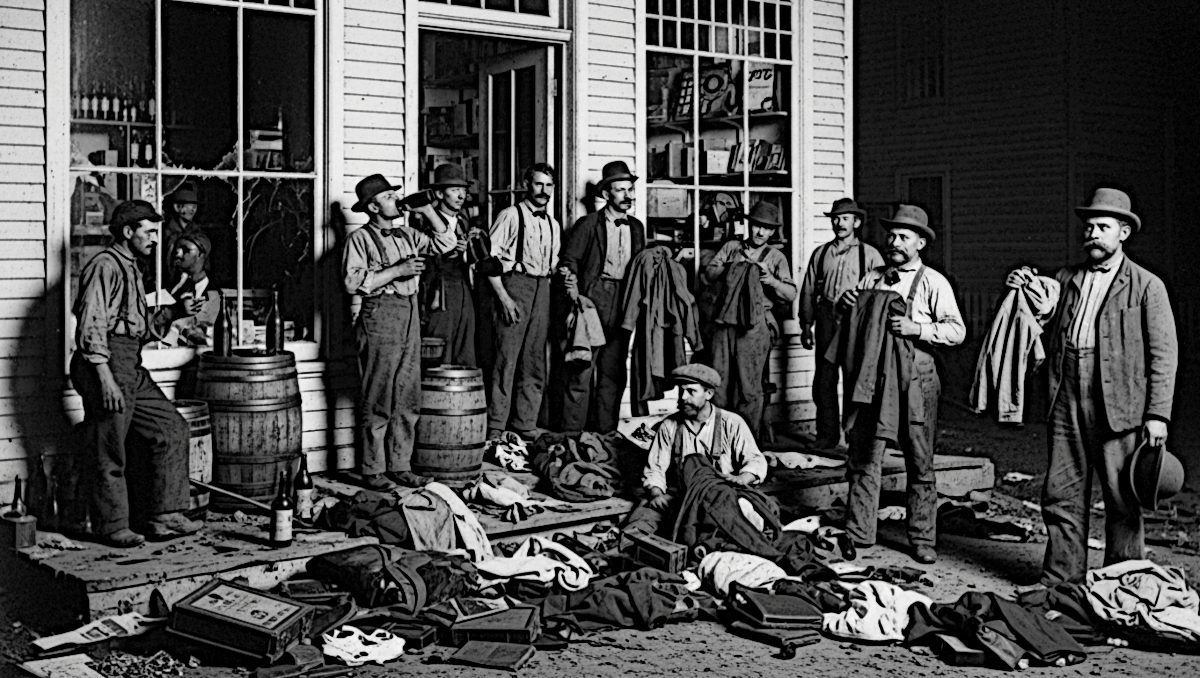
A deadly confrontation, a mob, and a Civil War veteran’s fight for survival ignite a two-year legal battle that divided the village of Glasgow.
In the village of Glasgow during the spring of 1875, tensions simmered among the men working at the Glasgow-Port Washington Furnaces. Gilbert Linsey (1839-aft. 1890), an Ohio native born to parents from New Jersey, was a man of varied experience; before becoming a local shop/saloon keeper, he served in the Union army during the Civil War. Before arriving in Glasgow, he worked and lived in Pickaway County, Ohio. By 1875, he had established his hillside business in Glasgow: a basement saloon, a first-floor store room, and a residence on the second floor.
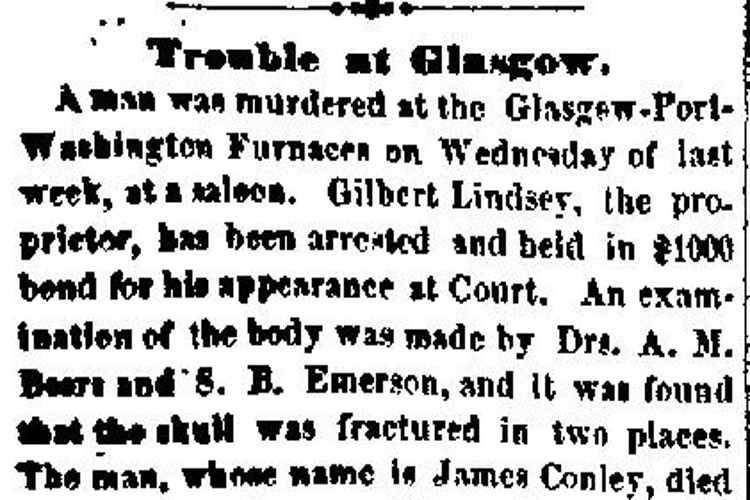
On the evening of Wednesday, April 7, 1875, Linsey was in his basement sharing a drink with two local carpenters when a man named James Conley arrived and angrily demanded whiskey. Despite repeated warnings to leave, Conley grew increasingly hostile, kicking the doors and rattling the door frame. The situation reached a breaking point when Conley returned with a group of men from the furnace, armed with stones and bricks, and forced his way into the store room. Conley allegedly threatened to kill Linsey and in the ensuing struggle, Linsey defended himself with a pine board roughly two and a half feet long. He struck Conley on the head and body and Conly briefly lost consciousness.
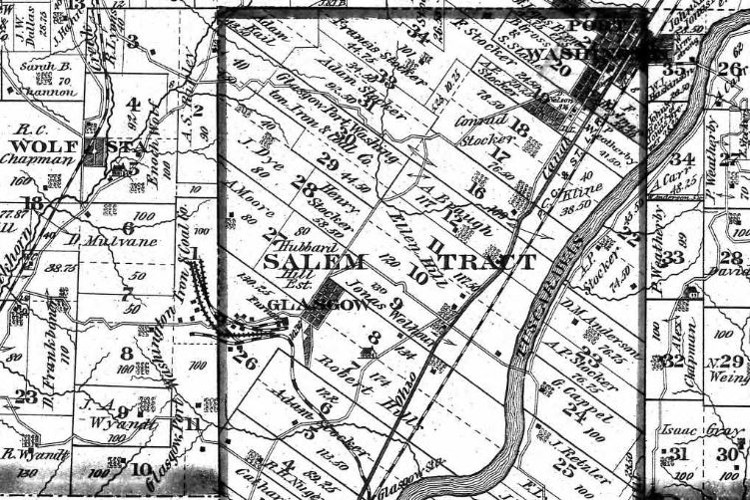
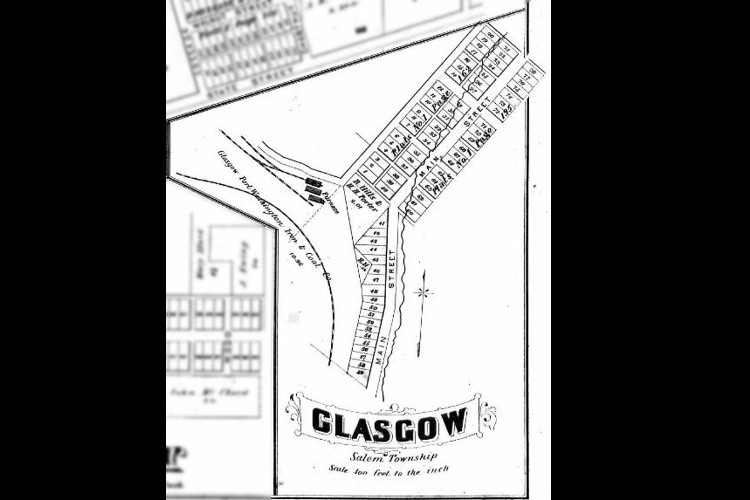
The confrontation spilled outside and the waiting mob hurled stones through Linsey’s windows. Linsey was forced to brandish the board to keep the attackers at bay until he got possession of his revolver, which caused the group to scatter. Conley was left dazed on the store room steps. Though witnesses helped him away, James Conley’s injuries proved to be fatal. He lingered until Friday evening before he succumbed to a fractured skull. A Coroner’s inquest initially returned a verdict that Linsey acted in self-defense, but the Glasgow community was far from satisfied.
The atmosphere in Glasgow turned volatile as rumors of a riot among the furnace men spread. The Sheriff was telegraphed and asked to restore order. The Saturday night after the affair, a drunken mob took justice into their own hands however. They broke into Linsey’s store and looted his goods while drinking his whiskey. Fearing for his life Linsey fled the area. He was eventually indicted for manslaughter the following month during the May term of 1875.
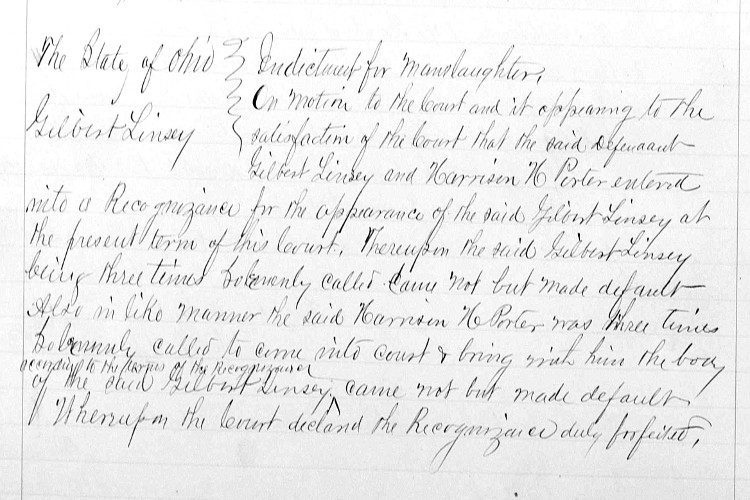
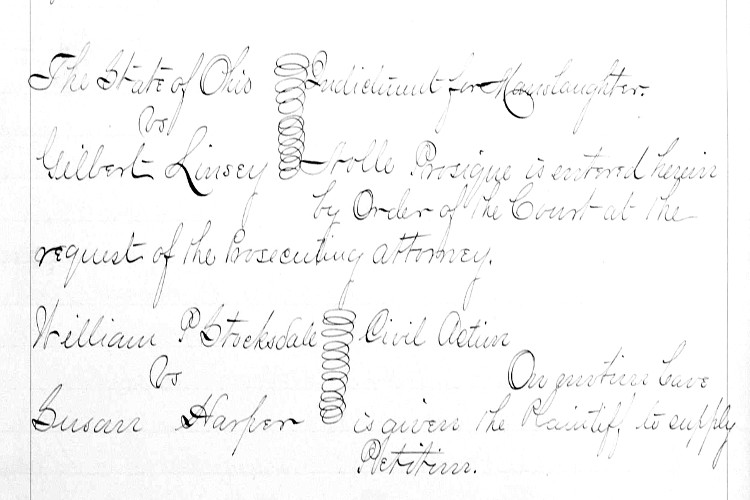
The legal battle over the death of James Conley stretched over two years; the prosecution brought in prominent local attorneys while Linsey’s defense brought in former associates and employers to testify to his character. The case of Ohio vs. Gilbert Linsey finally concluded in November 1877, not with a conviction but with the prosecutor choosing to drop the charges. Despite the violence that had nearly cost him his life and livelihood, Linsey eventually returned to the community he had fled.
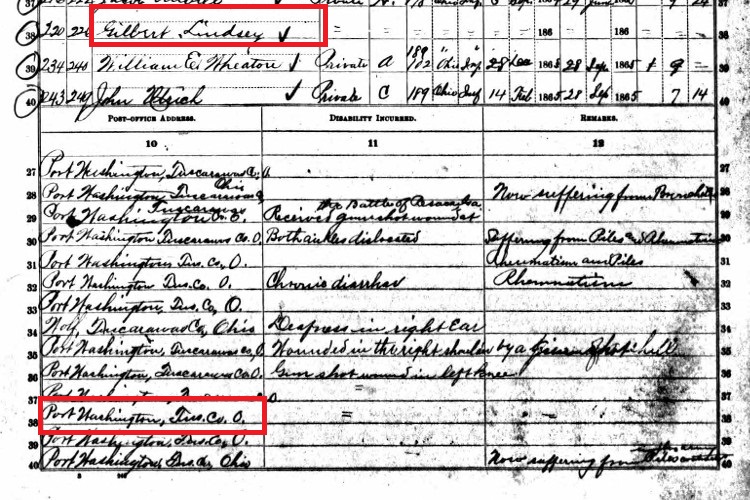
By the time the census was taken in 1880, 41-year-old Linsey was once again living in Glasgow. He traded the saloon business for the trade of the men who had been with him on that fateful night, working as a carpenter. He boarded in a home in Glasgow, a quiet existence far removed from the violence of that April night in 1875. His status as a surviving soldier remained a point of public record, as he appeared in the 1890 veteran census for Port Washington, a final footnote for a man whose life was documented through his service and role in a local tragedy.
Enjoy the stories?

© Noel B. Poirier, 2026.

