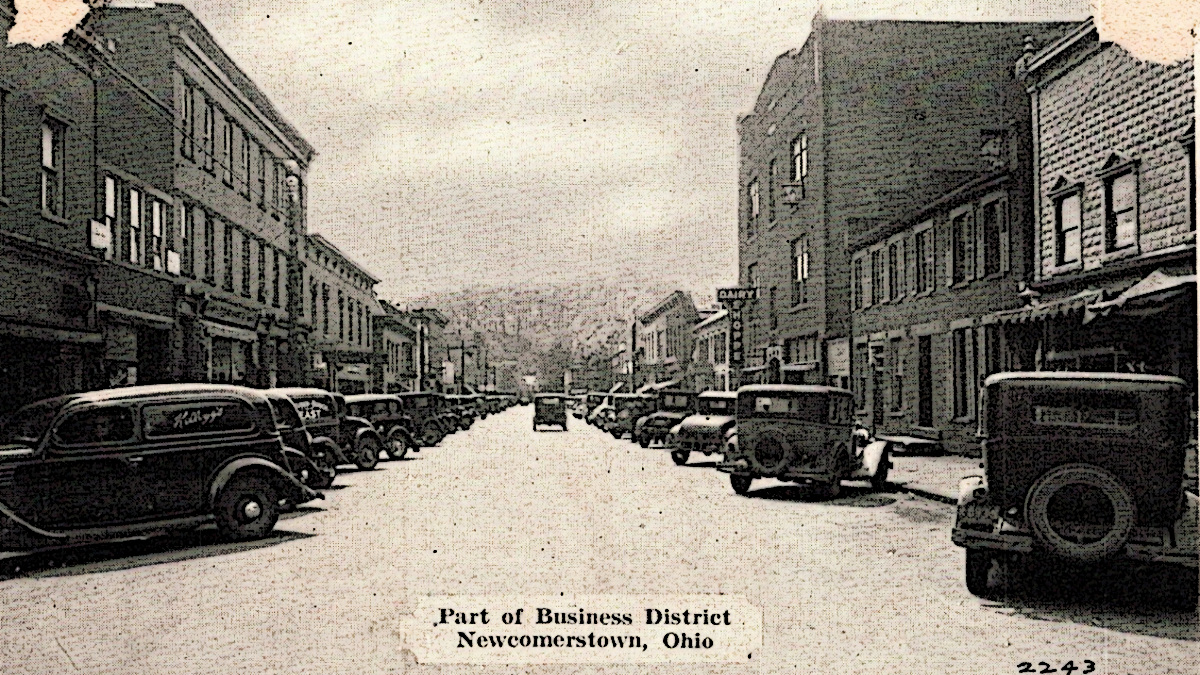
A star athlete and World War Two soldier survived the battlefields of the Pacific only to meet a tragic fate in the comfort of his hometown.
On the night of March 20, 1946, Woodrow “Buster” Coker (1918–1946), a decorated World War II veteran and celebrated former Newcomerstown high school athlete, walked home from his shift at a the foundry. He was returning to the neighborhood where he lived with his brother and supported his partner and four children. He had provided military allotments to his family during his years of overseas service. As he reached his brother’s house on Clow Avenue, he was struck by a fatal shotgun blast at close range and died shortly after. In a tragic coincidence, the shooting occurred near the exact location where his father, Richard Coker (1889–1927), was shot and killed by a village official nearly two decades earlier. A neighbor who witnessed Woodrow’s shooting reported seeing another man flee into the night immediately after the blast.
Within hours of the shooting, local law enforcement detained Alvin Clifford Huston (1908–1982) and his teenage daughter, Jessie Huston (1931–1957), for questioning. The investigation revealed that Jessie was allegedly involved in a romantic relationship with Coker, a discovery that reportedly enraged her father. Three days after the shooting, Huston signed a written confession in which he stated that he had “got mad and crazy” upon learning of the affair and shot Coker with his 12-gauge shotgun. Based on this admission, he was charged with second-degree murder and held without bond.
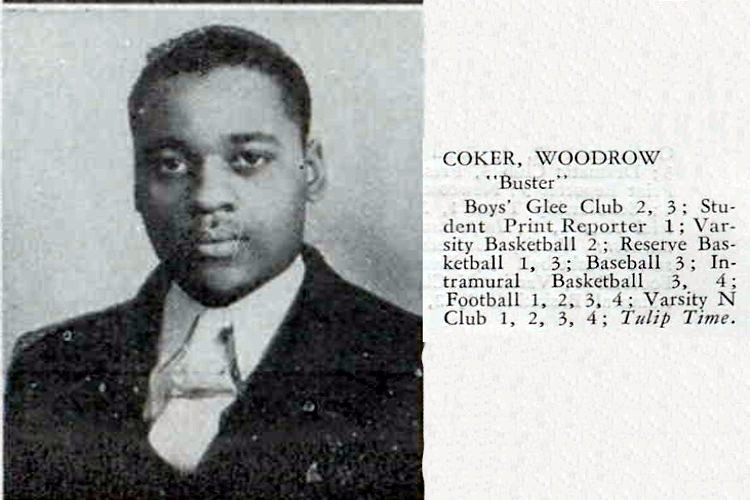
Woodrow Coker’s senior picture from the 1937 Newcomerstown High School yearbook. (Source: ancestry.com) 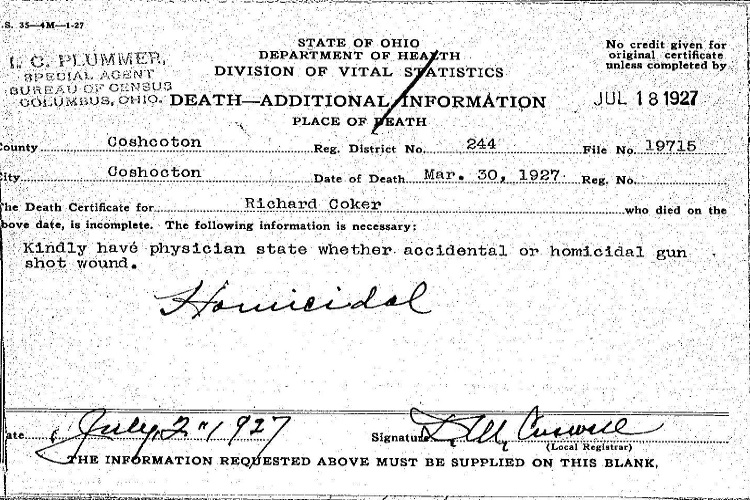
Part of Richard Coker’s Death Certificate after his killing in 1927 on almost the same spot as his son, March 1927. (Source: familysearch.org) 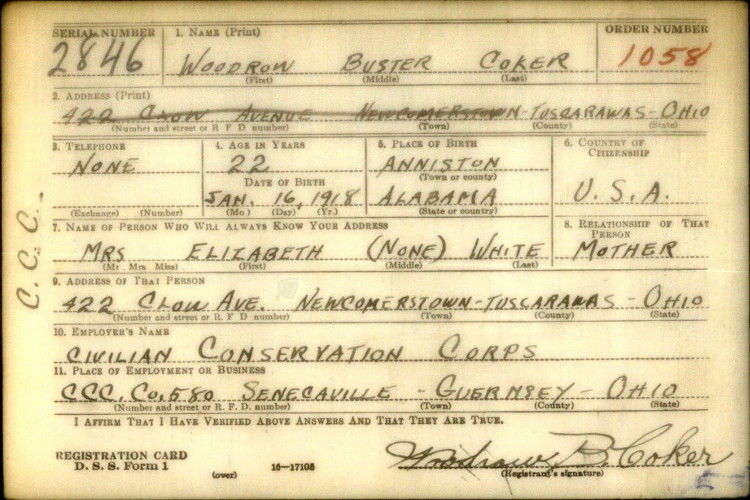
Woodrow Coker’s World War Two Draft Registration card, October 1940. (Source: ancestry.com) 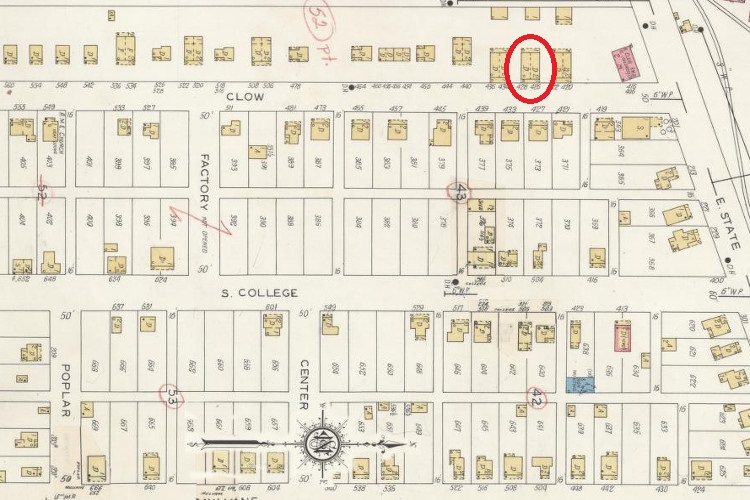
The location of Woodrow Coker’s brother’s house where Woodrow was killed as depicted on the 1933 Sanborn Map for Newcomerstown, Ohio. (Source: loc.gov)
Following the arrest, a Judge presided over a private hearing for Jessie Huston, and sentenced her to an indefinite term at an industrial school on a delinquency charge. Meanwhile, the Prosecuting Attorney presented the homicide case against Jessie’s father to a grand jury, which notably contained no residents from the victim’s hometown. On April 11, 1946 the grand jury returned an indictment for first-degree manslaughter rather than murder. Huston claimed he lacked the funds for legal representation, so a Judge appointed a defense attorney to handle his case.
The trial began on May 13, 1946, and drew significant public attention as the jury was taken to view the crime scene. During the proceedings, the Prosecuting Attorney introduced Huston’s signed confession and presented evidence from the Sheriff regarding a shotgun found at the defendant’s home that showed signs of recent use. However, Huston dramatically repudiated his earlier confession and claimed it was entirely false. He testified that he had only admitted to the crime after being led to believe by law enforcement that his wife was the primary suspect.
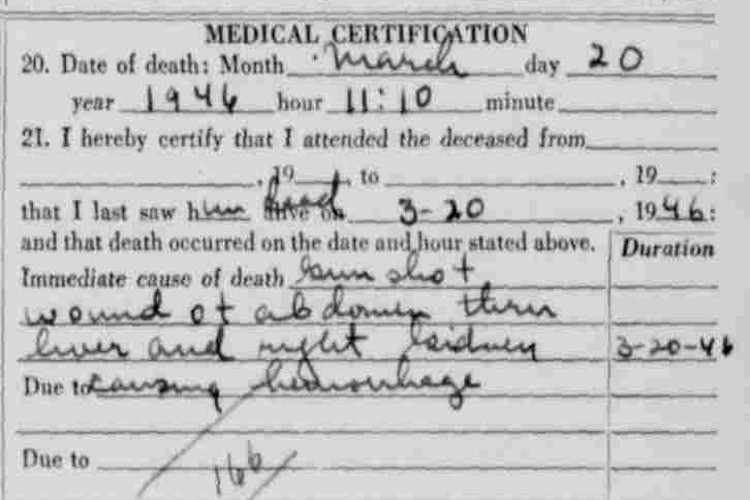
Detail from Woodrow Coker’s death certificate, March 1946. (Source: familysearch.org) 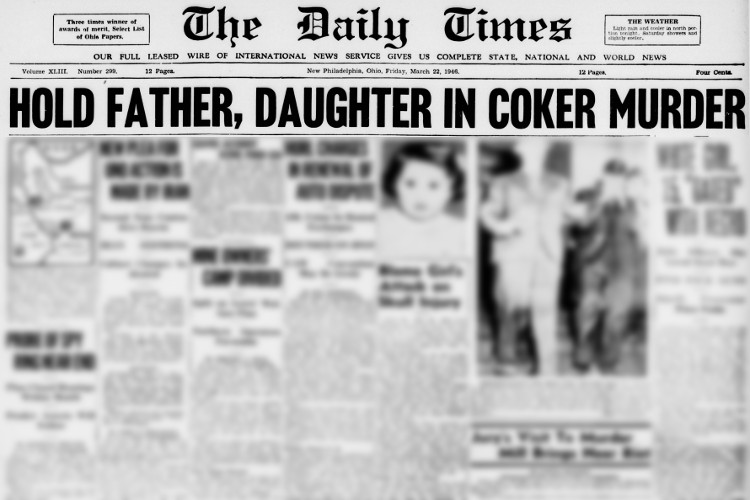
New Philadelphia, Ohio newspaper headline on the arrest of Alvin Clifford Huston and his daughter, March 1946. (Source: newspapers.com) 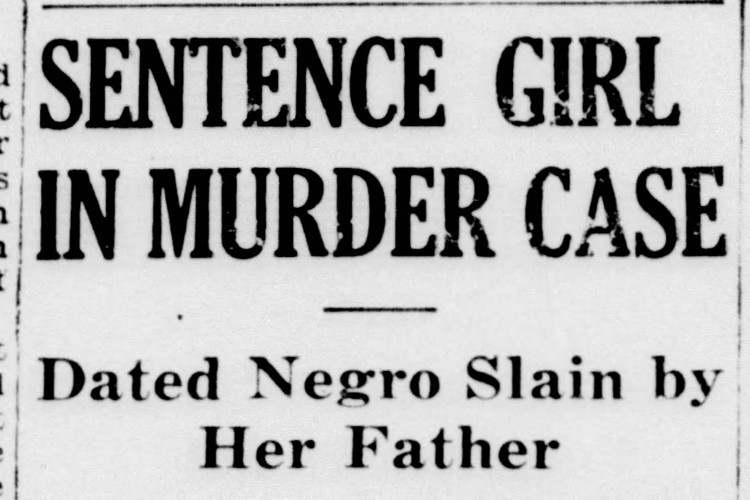
New Philadelphia, Ohio newspaper headline on the sentencing of Jessie Huston, April 1946. (Source: newspapers.com) 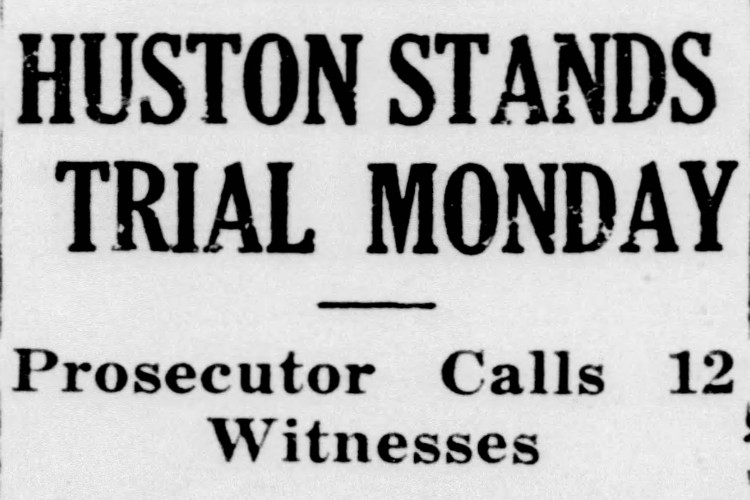
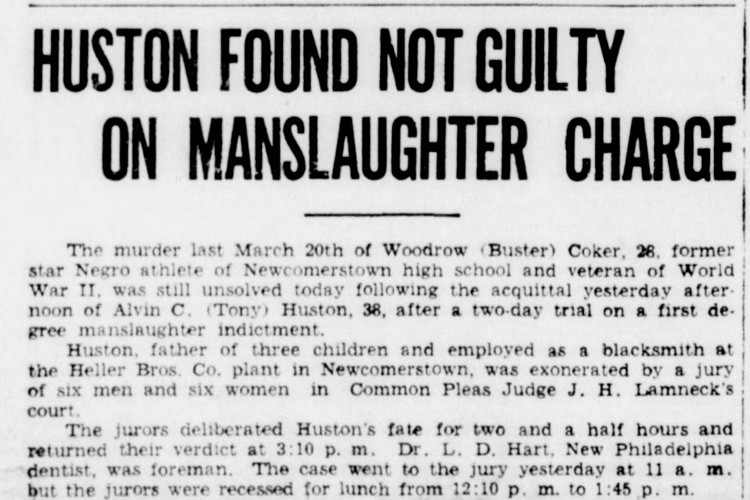
New Philadelphia, Ohio newspaper headline on the trial of Alvin Clifford Huston, May 1946. (Source: newspapers.com)
Huston’s defense centered on the claim that he confessed to protect his wife, Mary Annabell Huston (1913–1977), so she could remain home to care for their four-month-old infant. Taking the stand, Mary Annabell provided an alibi, testifying that her husband was in bed at the time of the shooting. The state attempted to counter this with a rebuttal witness who claimed to have seen Huston walking near the scene shortly after the shooting, but the defense maintained that the confession had been coerced through psychological pressure and misinformation.
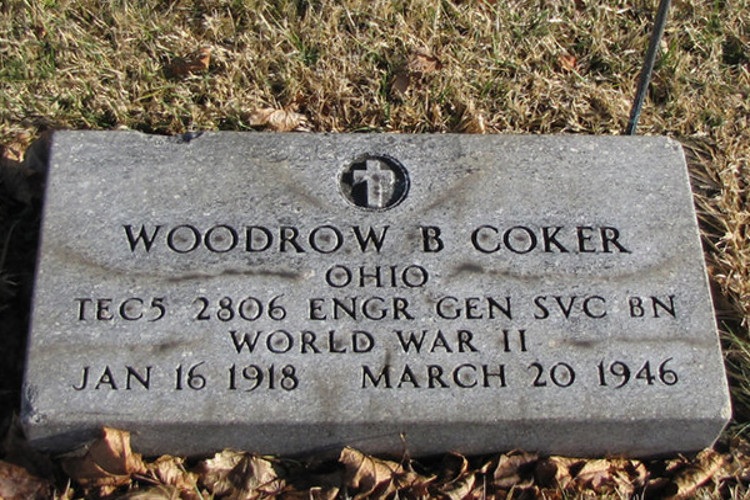
On May 15, 1946, after deliberating for only two and a half hours, the jury returned a verdict of not guilty, exonerating Huston of the manslaughter charge. The Judge ordered his immediate release, leaving the murder of the young veteran officially “unsolved”. Woodrow Coker (1918–1946), who survived combat in the Pacific only to die on a street in his hometown, was laid to rest in West Lawn Cemetery in Coshocton County. Though the legal system offered no final answer, Woodrow’s headstone stands as a somber reminder of a soldier who survived the perils of war only to have his life, and the future of a family who had awaited his return, cut short on the same stretch of pavement that had claimed his father’s life two decades earlier.
Enjoy the stories?

© Noel B. Poirier, 2026.

