A young New Philadelphia man gave the ultimate sacrifice while serving in the Pacific during World War Two.
Duane Jay Stalder (1926-1944) was born in Tuscarawas County to parents Harry Godfrey Stalder (1898-1970) and Goldie Armbrust (1903-1966). Harry’s father was a laborer in the various industries in Tuscarawas County, including brick works and steel mills. Duane grew up mostly in Sugarcreek Township and later, New Philadelphia, with his two sisters and a half-brother. Before he enlisted in the United States Navy Reserves, Duane attended Welty Junior High School and worked at the Reeves Steel & Manufacturing Company’s mill in Dover, Ohio.
Duane enlisted in the United States Naval Reserve in Cleveland in May 1943 and he began his basic training at the Great Lakes Naval Training Station just outside Chicago, Illinois on May 25, 1943. During his time at the training station, he was a member of a Navy choir that broadcasted a radio show from Chicago in July 1943. By late July, he earned the rank of Seaman Second Class and was granted a nine-day leave to visit his parents at their home on East High Avenue in New Philadelphia.
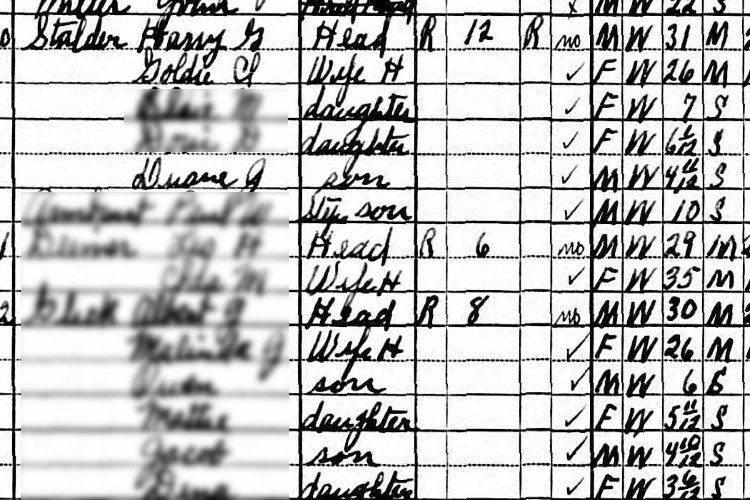
The Stalder family recorded on the 1930 census for Sugarcreek Township, Tuscarawas County, Ohio. (Source: familysearch.org) 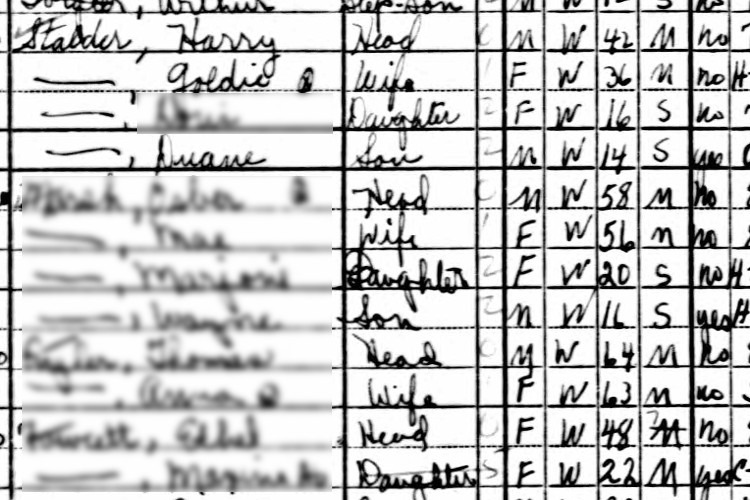
The Stalder family recorded on the 1940 census for New Philadelphia, Ohio. (Source: familysearch.org) 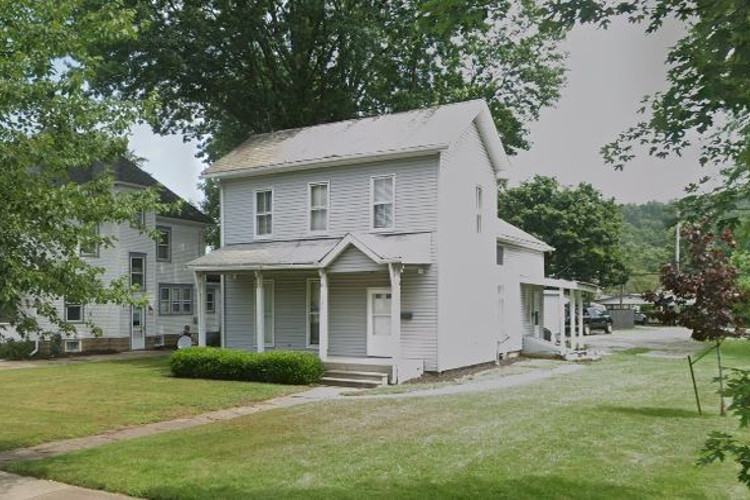
The Stalder residence on East High Avenue in New Philadelphia, Ohio, 2025. (Source: google.com) 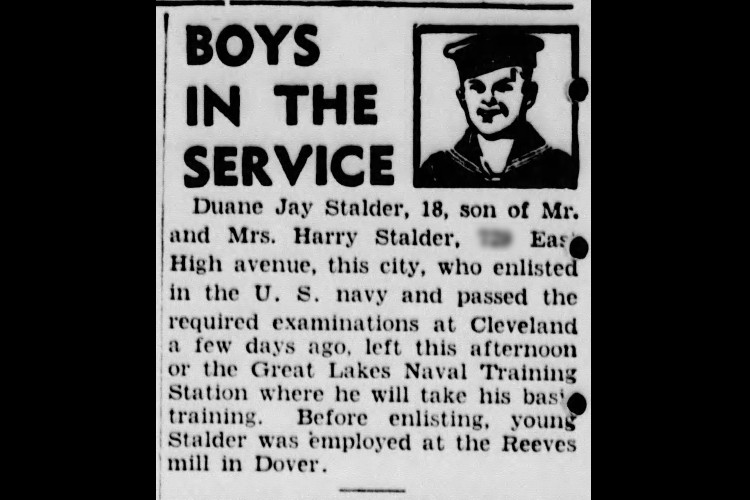
New Philadelphia, Ohio newspaper story on Duane Stalder’s enlistment in the United States Naval Reserve, May 1943. (Source: newspapers.com)
Following his training, Duane was transferred through several naval stations in San Diego and New Orleans before being assigned to the destroyer U.S.S. Spence (DD-512) in early 1944. The Spence was part of the famed “Little Beaver Squadron,” and Duane’s role aboard the ship was that of Ship’s Cook. In addition to his duties in the galley, he also served as a member of a gun crew when the ship undertook combat operations.
Duane became a “young veteran of the sea” by participating in several of the most significant campaigns of the Pacific theater, including the invasions of the Marianas, Saipan, Tinian, and Truk. During these major engagements, he sustained flash burns while manning his battle station. Despite the intensity of the conflict, he was described by one local reporter during a leave at home as “modest and unassuming,” and he preferred not to dwell on the details of the combat he witnessed.
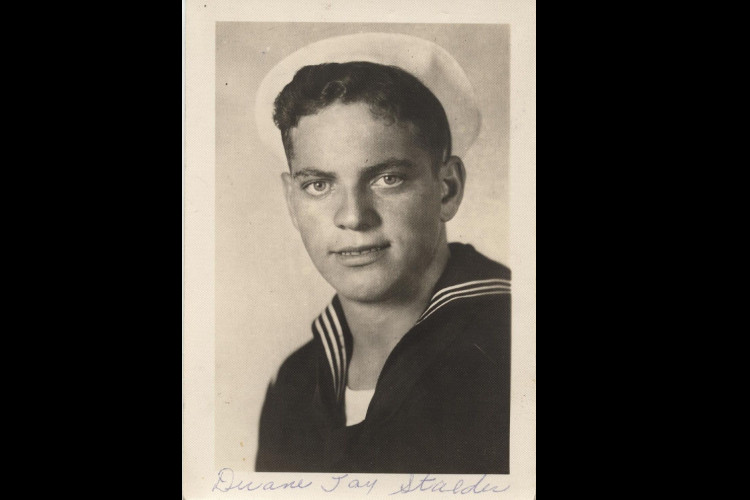
Photograph of Duane Stalder in his naval uniform, 1943. (Source: findagrave.com) 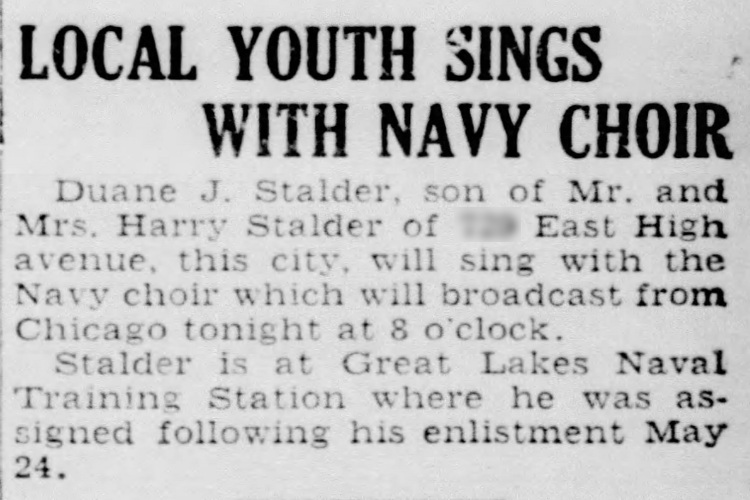
New Philadelphia, Ohio newspaper article on Duane Stalder singing with a Navy Choir, July 1943. (Source: newspapers.com) 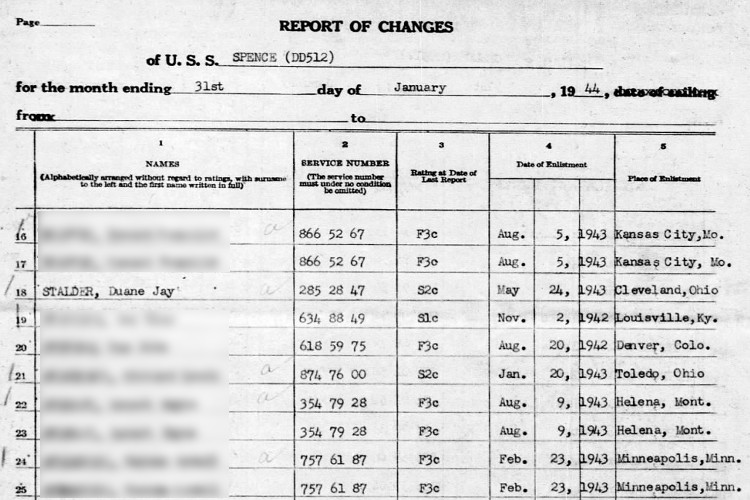
Duane Stalder’s assignment to the USS Spence recorded in official navy document, January 1944. (Source: fold3.com) 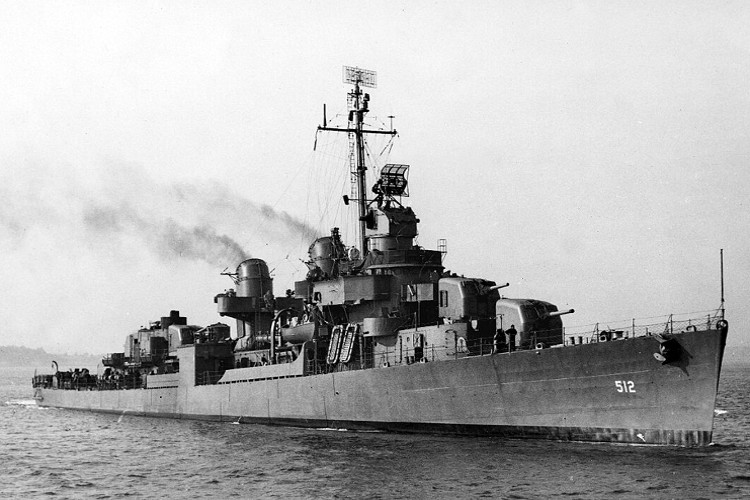
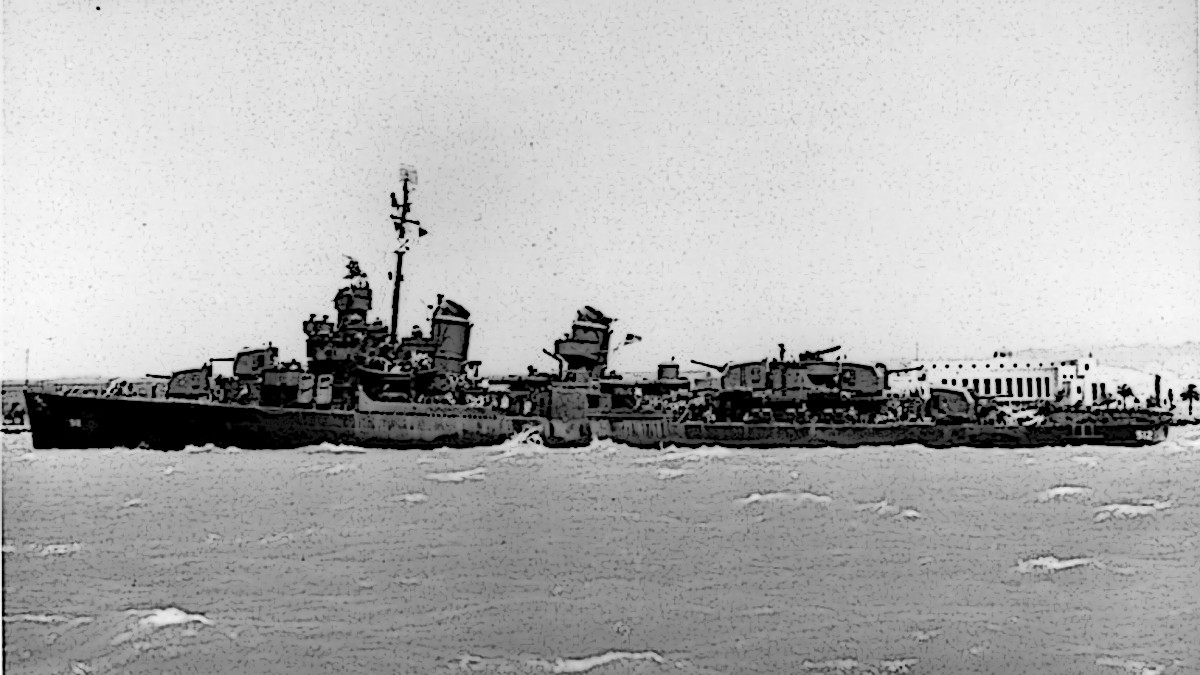
The USS Spence photographed off Boston, Massachusetts in March 1943. (Source: wikipedia)
Duane returned home for a 21-day leave in August 1944, marking his first visit with his family in fourteen months. It was during this visit home that a local reporter interviewed him to learn of his experiences fighting in the far-off Pacific Theater. His parents hosted a large family dinner in his honor, which served as a rare reunion with his half-brother, an Army Staff Sergeant, who was also home on furlough from Georgia at the time. After returning to the Pacific, Duane wrote his final letter to his parents on December 5, 1944.
Tragedy struck on December 18, 1944, when the U.S.S. Spence was caught in a violent typhoon, called Typhoon Cobra, with 110-knot winds. The ship, along with two others, capsized and sank “hundreds of miles from land,” trapping most of the men below deck. Of the over three hundred sailors on board, only twenty-four survived. Duane was initially reported missing, but his parents were later notified that there was no hope for his survival. He perished at the age of 18 and, while he is memorialized at the Manila American Cemetery in the Philippines, his body rests at the bottom of the Pacific Ocean.
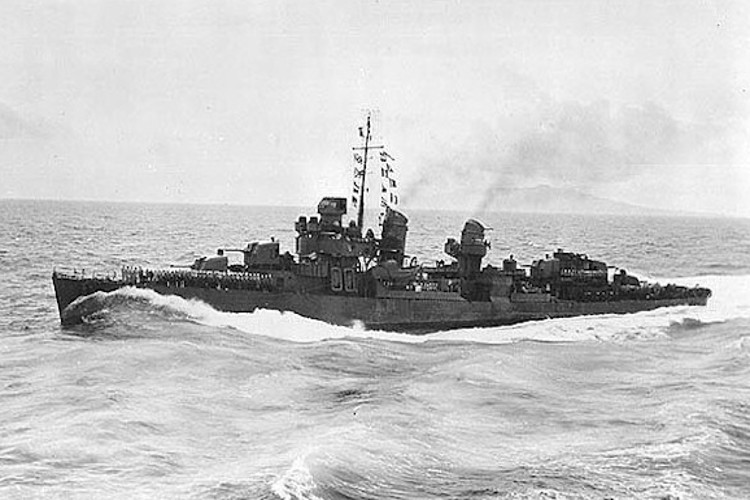
The USS Spence off the coast of Guadalcanal, March 1944. (Source: navsource.com) 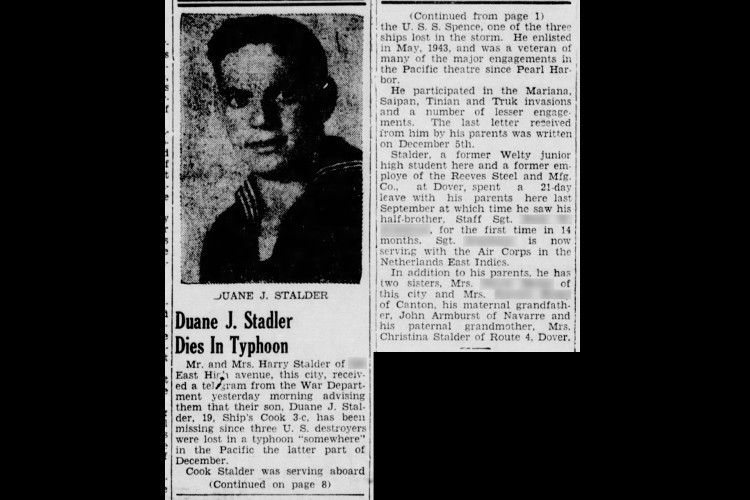
New Philadelphia, Ohio newspaper story reporting the death of Duane Stalder, January 1945. (Source: newspapers.com) 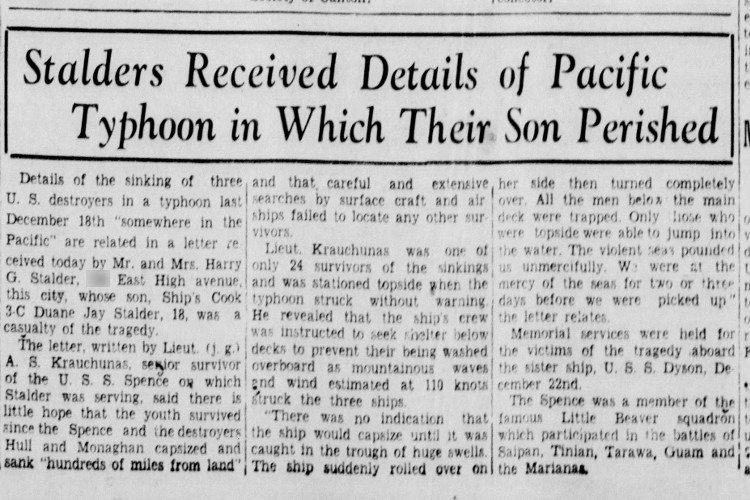
New Philadelphia, Ohio newspaper story reporting further details on the sinking of the USS Spence, February 1945. (Source: newspapers.com)
© Noel B. Poirier, 2026.
 Tuscarawas County Stories
Fascinating, albeit tragic, story. Thank you for putting this together.
LikeLike