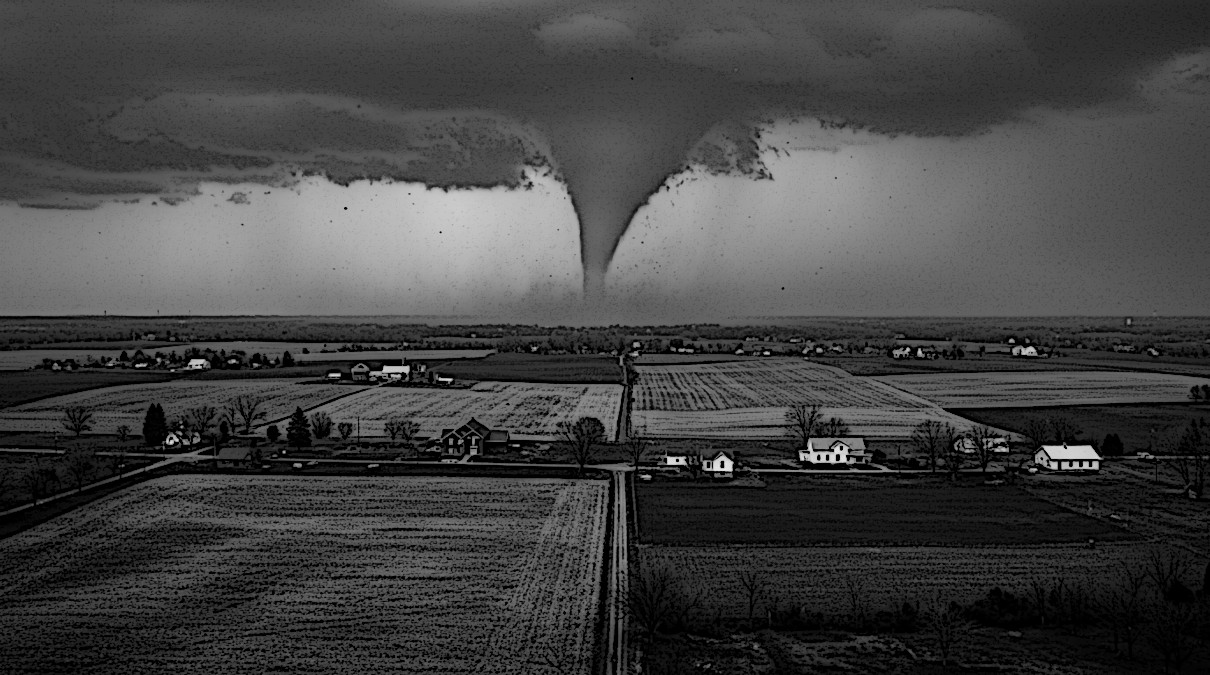
In 1940, an unusual storm tore through Tuscarawas and Harrison Counties, leaving a trail of splinters where covered bridges and barns once stood.
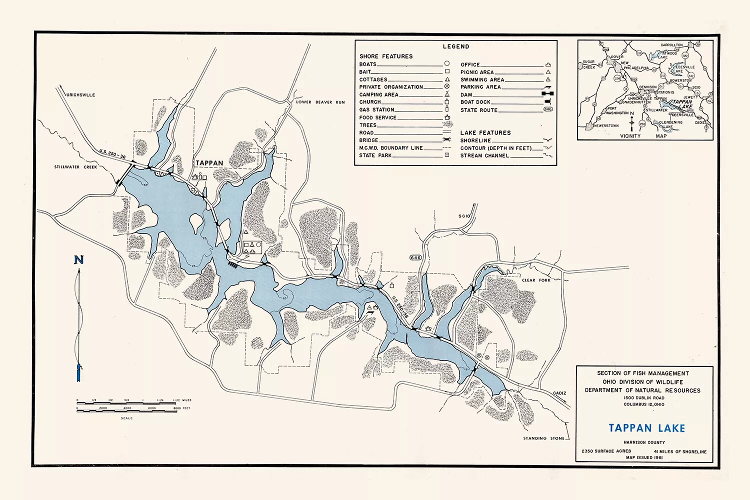
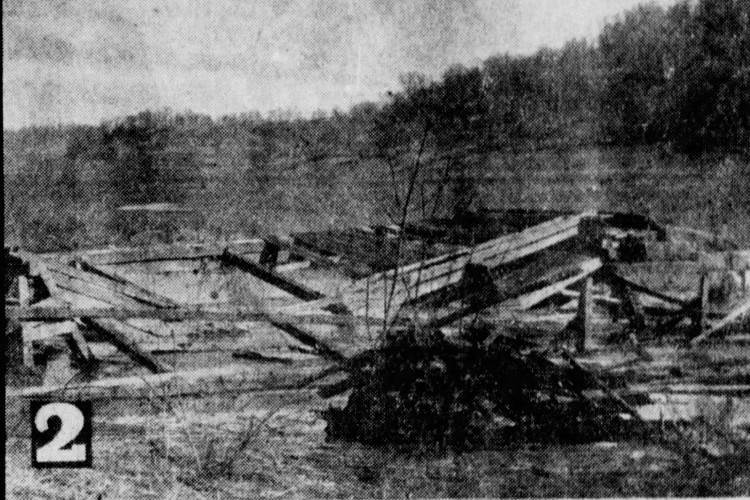
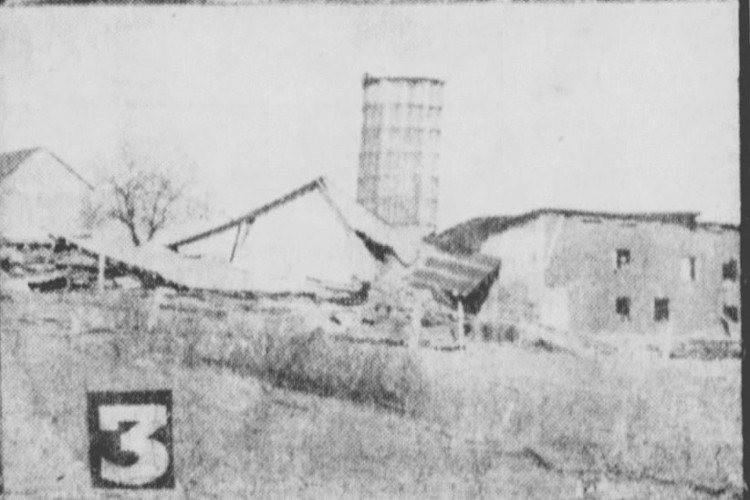
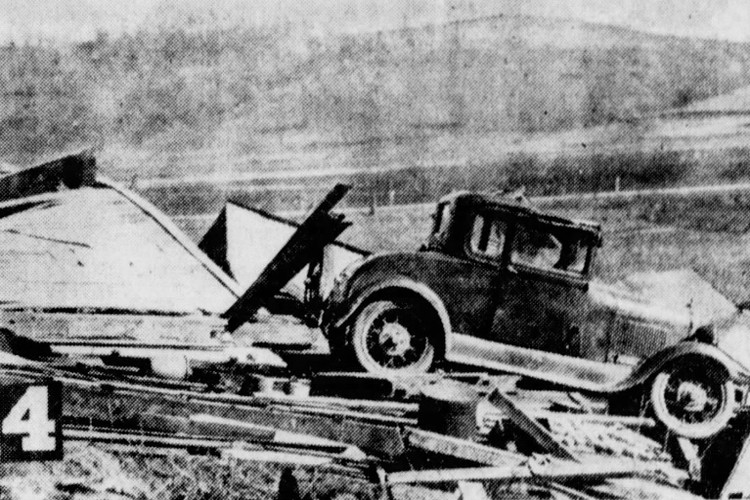
Strong storms and a tornado struck Tuscarawas and Harrison counties in early April 1940, bringing with it an unusual combination of hail and electrical storms. The tornado left a path of destruction nearly a mile wide and a mile and a half long near Tappan, along U.S. Route 250. Property damage was estimated at $50,000, the equivalent of $1,153,743 today, and nearly every building in the twister’s path was leveled. Among the structures destroyed were five large barns, the recently relocated Pleasant Valley Church, at least twenty smaller buildings, and four covered bridges, almost erasing that style of bridge once common in the area.
The storms and tornado followed an unseasonably warm April day with a recorded high of 80 degrees. Heavy rainfall accompanied the storms, with Newcomerstown reporting its heaviest downpour in years. In New Philadelphia, storms dropped nearly an inch of rain, though the damage there was minimal compared to the devastation east of Tappan. Plate glass windows shattered in Dover, and an aviator flying from Pennsylvania to Oklahoma was forced to abandon his course due to the fierce winds, suffering an injury that delayed his travels further.
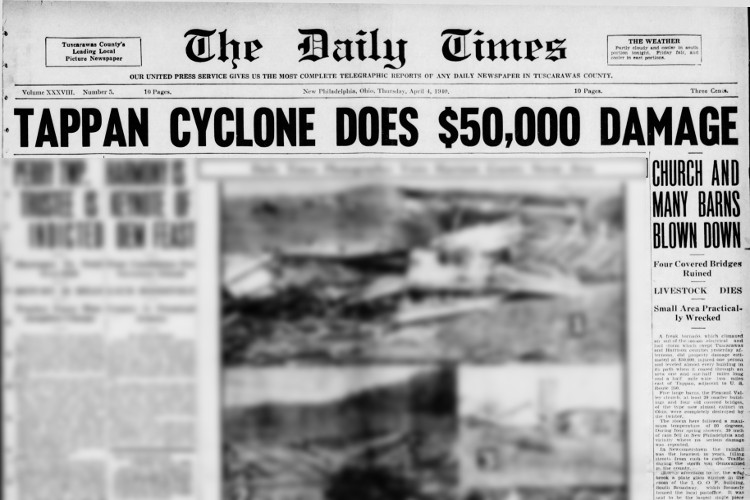
The only reported injury in the Tappan area was suffered by E.C. Buxton. He and his daughter took refuge in their basement when they feared their house might collapse. Buxton was cut on the cheek by flying glass when a door blew open. He later discovered that his barn had been destroyed along with eight sheep and several smaller buildings. Several cows and horses were trapped but were eventually rescued with help from highway department employees who arrived on the scene shortly afterwards.
Other families and farmers in the storm’s path also suffered heavy losses. Dennis McDivitt lost part of his barn and a valuable horse, while another animal was injured. E.L. Simpson also had a valuable horse killed when his barn was blown down. He and his wife narrowly escaped injury when the sheep barn they were in collapsed immediately after they stepped outside. Raymond Conway reported the destruction of his large barn, smaller buildings, and several cattle. Farmers along the cyclone’s path lost considerable livestock in collapsed barns and sheds.
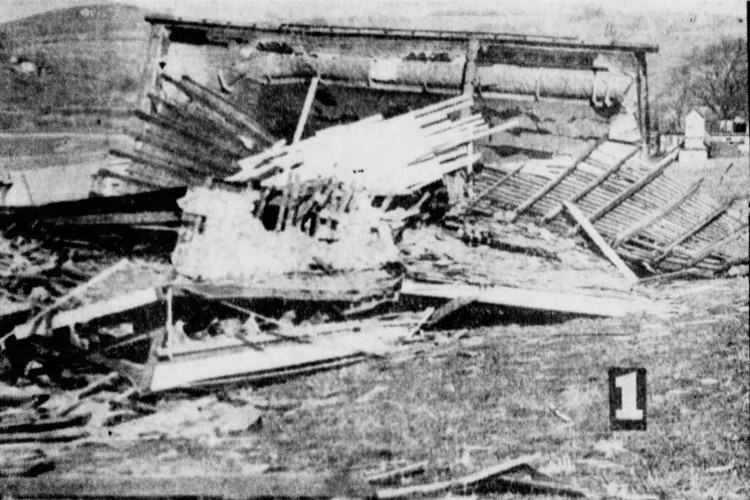
There were also several narrow escapes. Mrs. M.H. Castell survived when the tornado ripped away a barn and chicken coop near her home and uprooted large elm trees that crashed to the ground only a few feet from her. Harry Geckler, of Bolivar, who was working on relocating the Pleasant Valley cemetery, saw the storm form and took shelter after his trailer was overturned. He credited a large pile of coal with weighing down and saving the shed he used for cover. Meanwhile, Dover fireman Sam Carl rushed to his own house after lightning struck the chimney, and filled it with smoke.
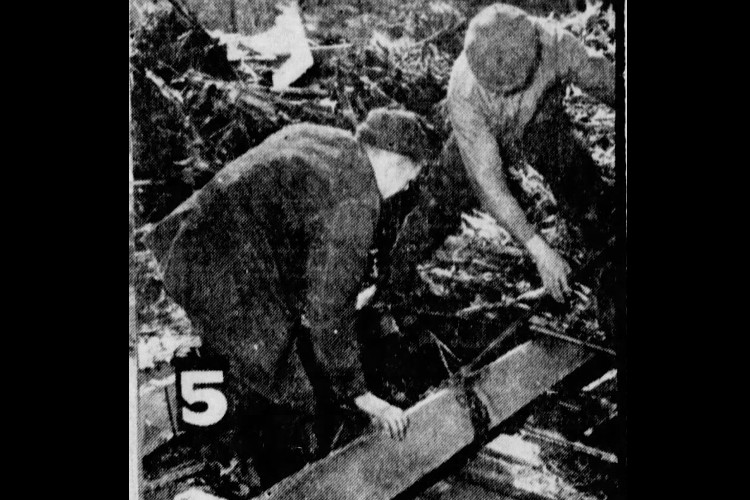
In addition to the destruction of barns and homes, three covered bridges across Little Stillwater Creek were reduced to splinters, and a fourth was so badly damaged it had to be torn down. The Pleasant Valley church, recently relocated from the highway to higher ground near the Tappan Dam basin, was demolished before workmen could finish its reconstruction. The storm, one of the most severe in recent memory at the time, left a path of destruction not seen in years. The disaster was followed by cooler weather that ended an April heat wave which had set records all across Ohio.
Enjoy my stories?

© Noel B. Poirier, 2025.


Fascinating, albeit frightening, history!
LikeLike