
Delbert Sizemore’s life of crime—spanning armed robberies, violent assaults, and state-hopping schemes, possibly included the 1947 murder of John Myers where his own words and actions pointed to his guilt.
Delbert Sizemore was in and out of prison from at least the age of 18, and possibly even earlier as a juvenile, and much of his criminal activity was focused on a particular type of crime and a willingness to cross state lines to commit them. Sizemore had just turned 18 when he and an accomplice were arrested for the armed robbery of a bank in Vermillion, Illinois in June 1932. The two men robbed the bank, stole a car, and drove it to Kentucky where they were arrested. Three years later, he was involved in another planned bank robbery that resulted in federal charges. These were not the only times that Sizemore was accused, and arrested, for armed robbery.
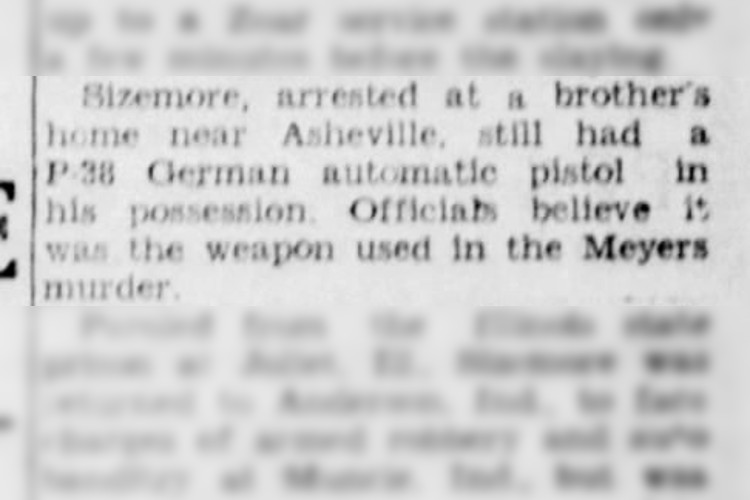
Sizemore’s criminal record, along with the arrests for armed robbery, also included violent crimes as well. Among those crimes was the stabbing of a fellow inmate while Sizemore was in federal prison in Pennsylvania for the 1932 bank robbery, and a planned kidnapping of a bank executive in 1935. According to the evidence reported in the Myers case, and what happened to the second Zoar victim Bernard Christman, it appeared to be a case of armed robbery that ended in the the murder of John Myers. Additionally, when Sizemore was arrested in North Carolina in December 1947, he possessed a .38 caliber pistol; the same caliber as that used to shoot John Myers.

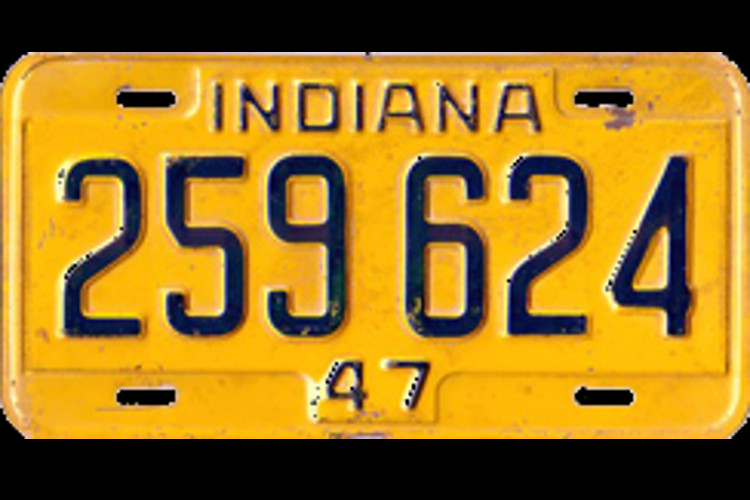
It was proven throughout Delbert Sizemore’s life that he was willing to cross state lines to commit crimes. He was known to be active in at least four states including West Virginia, Kentucky, Indiana, and Illinois. It is not hard to imagine that he also committed crimes in Ohio as well. Newspaper accounts written at the time Sizemore was questioned about the murder of John Myers reported that Sizemore claimed to be in Tuscarawas County, Dover and New Philadelphia specifically, on the date Myers was murdered. It should also be noted that Indiana’s license plates in 1947 were yellow, the same color reportedly seen by Marshall Swank on the getaway car.
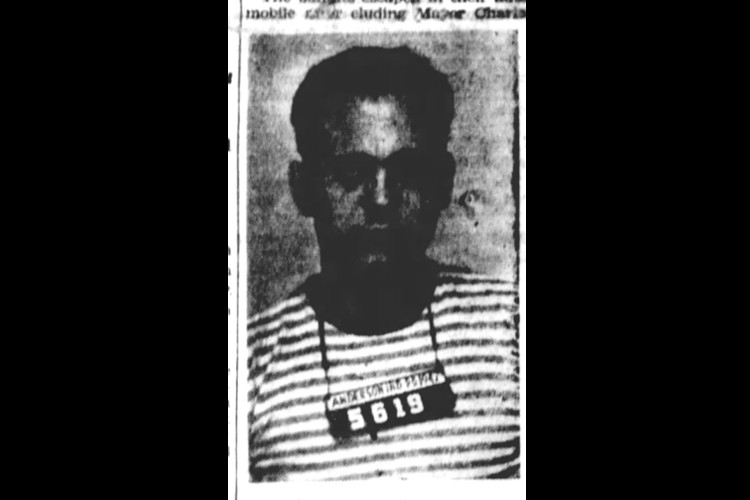
Another argument in favor of Delbert Sizemore having murdered John Myers came from the eyewitness testimony of Zoar local and truck driver William Maurer. You may recall that it was Maurer who discovered Myers’s body in the ditch next to the tavern. After being shown a mug shot of Sizemore, Maurer stated that a man matching that mug shot had stopped at the Zoar filling station the same evening of the killing. Whether Maurer knew at the time he was shown the mug shot that Sizemore was already a suspect is not clear. That witness identification, along with Sizemore’s own statement about being in Tuscarawas County at the time of the killing were significant.
The best argument for Delbert Sizemore as the killer of John Myers came from Sizemore himself. When Sizemore was arrested and returned to Indiana in early December 1947, he volunteered to be sent to Ohio to face questioning about the Myers murder. When that failed to happen, Sizemore offered to plead in the Myers case, claiming he would rather face the death penalty then spend the rest of his life in prison. Despite the fact that Tuscarawas County law enforcement were convinced Sizemore was the killer, Indiana authorities and the FBI decided instead to return Sizemore to prison in Illinois. Their argument was that Sizemore would “never again be paroled”.
Whether Delbert Sizemore murdered John Myers outside a tavern in Zoar in November 1947 was never proven in a court of law because, despite evidence that pointed to his guilt including his own willingness to plead to the murder, he was returned to a prison in Illinois. Law enforcement at the time, including the FBI, believed that Sizemore would never see the outside of a prison again. They were wrong. We will conclude the story, and find out what happened to Delbert Sizemore, in the next post.
End of Part Six
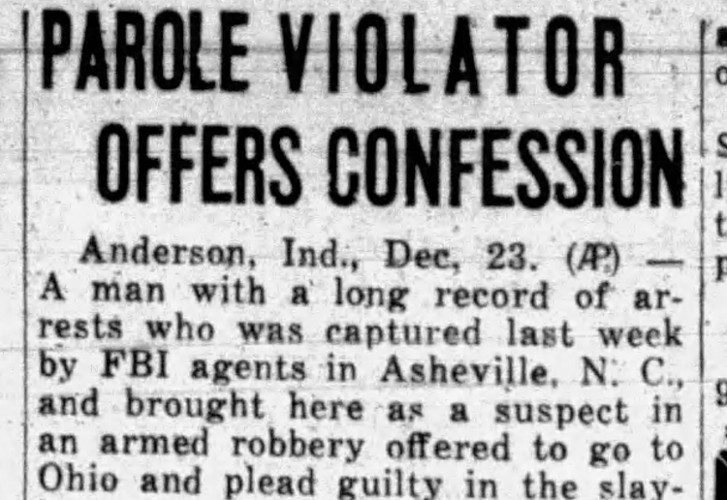
Muncie, Indiana newspaper article that reported on Sizemore’s offer to plead in the murder of John Myers, December 1947. (Source: newspapers.com) 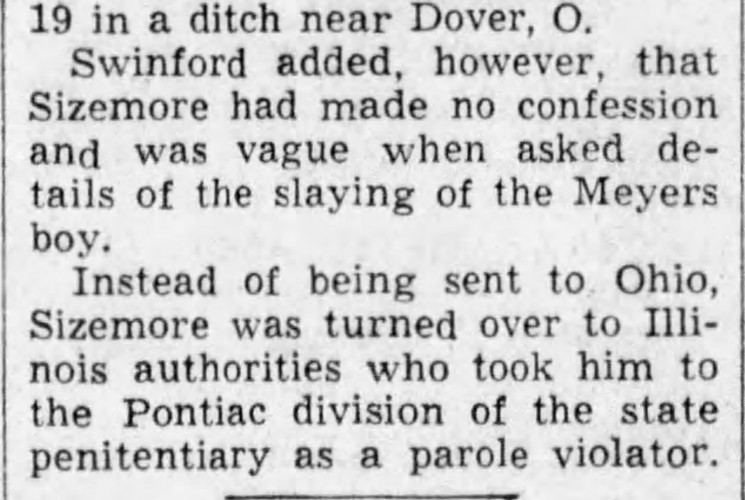
Indianapolis, Indiana newspaper article that reported on Sizemore’s offer to plead in the murder of John Myers, December 1947. (Source: newspapers.com) 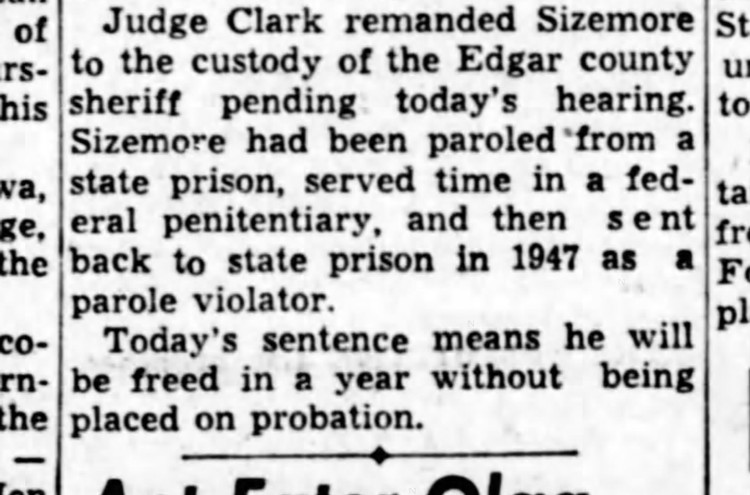
Illinois newspaper article report on Delbert Sizemore’s scheduled release from prison, July 1951. (Source: newspapers.com)
Enjoy my stories?

© Noel B. Poirier, 2025
 Tuscarawas County Stories