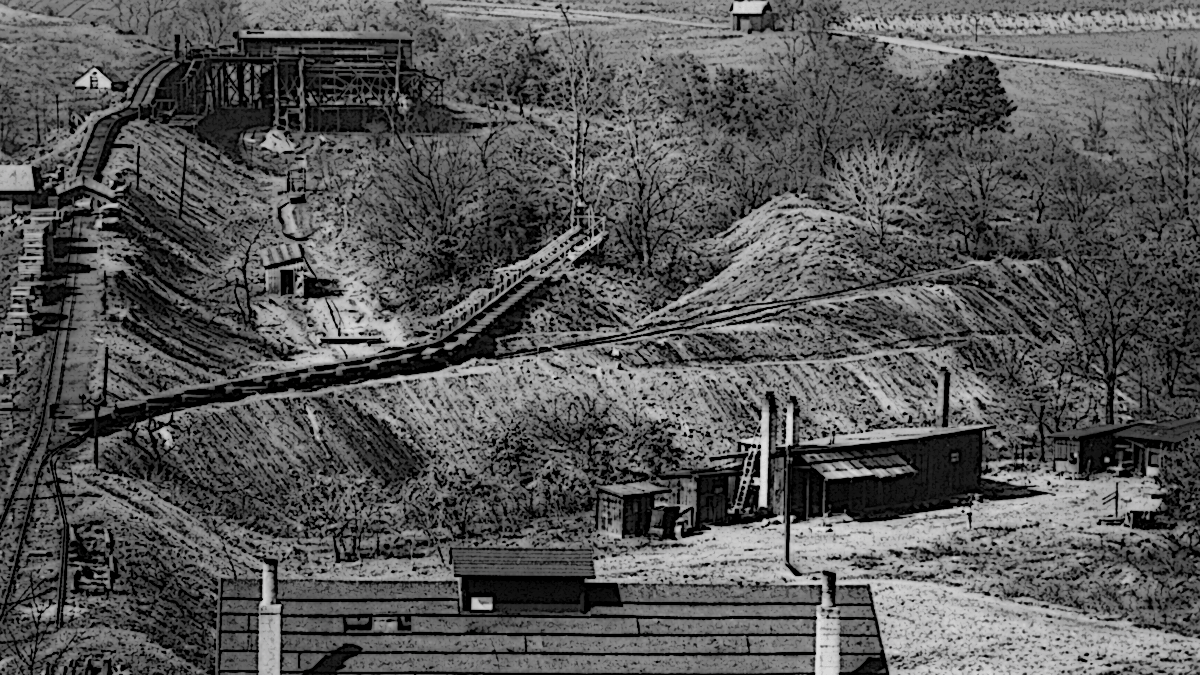
A sudden underground blast left five dead and a community demanding answers.
On the morning of January 3, 1931, an explosion tore through the No. 4 mine of the Midvale Coal Company near Midvale, Ohio. The explosion and subsequent gas build-up killed five miners and injured several rescuers. The blast occurred around 9 a.m. as four of the victims set powder charges to loosen coal. According to state and federal investigators, the first two charges stirred up dense coal dust, and the third charge caused a “blow out,” igniting the dust-filled air. The resulting explosion ignited additional powder stored nearby, adding to the destruction.
The force of the explosion ripped through the mine, extinguished lamps and filled passageways with smoke, flame, and deadly carbon monoxide. An air shaft abutment nearly one hundred feet overhead was crushed. Nineteen men were inside the mine at the time. Some attempted desperate escapes through the smoke and gas filled tunnels. Charles Carnahan (1899-1931) ran nearly 200 feet before he collapsed; Simon Boggiani (1902-1931), Marcus Renicker (1898-1931), and Ludwig Demattio (1900-1931) fell short of safety. Clyde Oler (1890-1931), who worked closest to the blast, was killed instantly by concussion. All but Simon Boggiani were married with families.
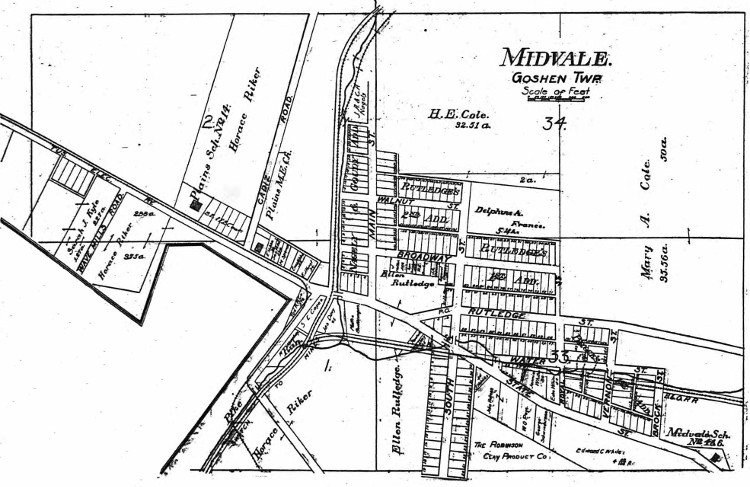
Map of Midvale, Ohio from the 1908 Atlas of Tuscarawas County. Ohio. (Source: ancestry.com) 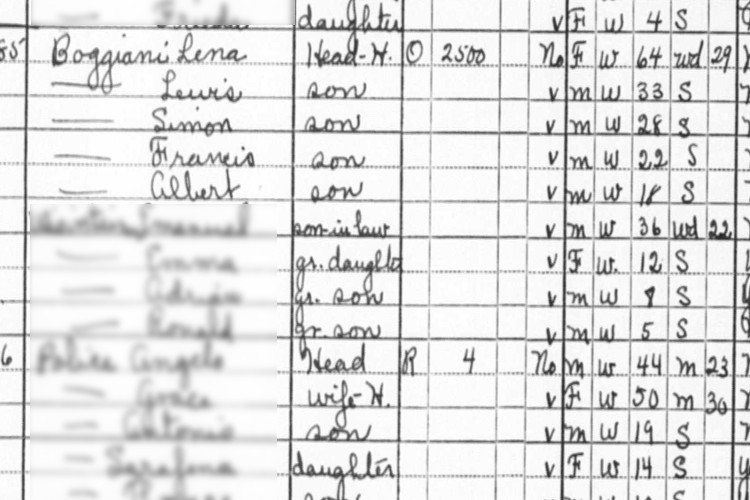
Simon Boggiani recorded on the 1930 census for Barnhill, Ohio. (Source: familysearch.org) 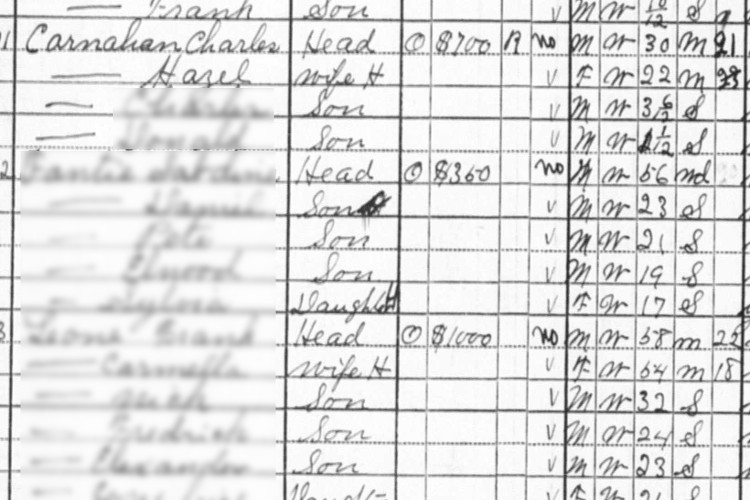
Charles Carnahan recorded on the 1930 census for Union Township, Tuscarawas County, Ohio. (Source: familysearch.org) 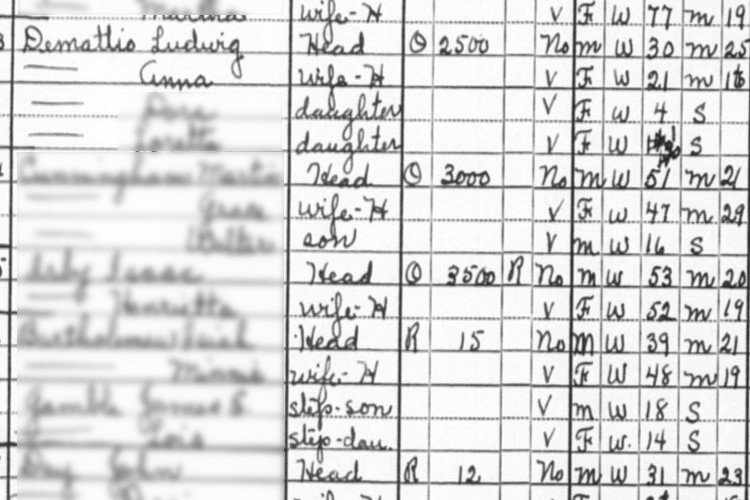
Ludwig Demattio recorded on the 1930 census for Midvale, Ohio. (Source: familysearch.org) 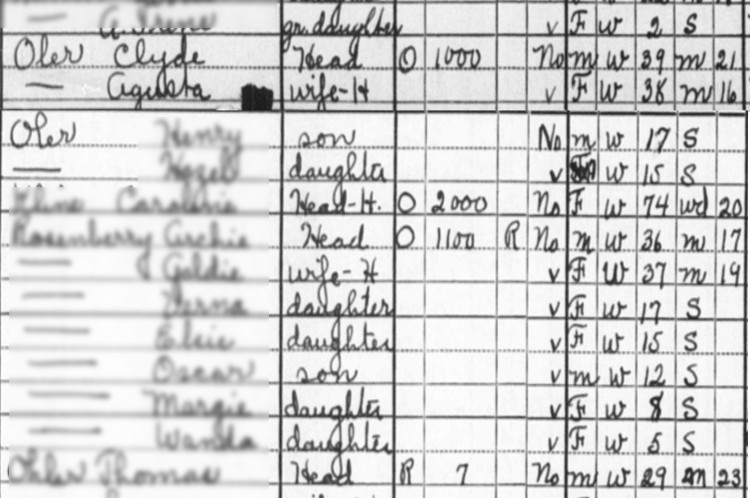
Clyde Oler recorded on the 1930 census for Goshen Township, Tuscarawas County, Ohio. (Source: familysearch.org) 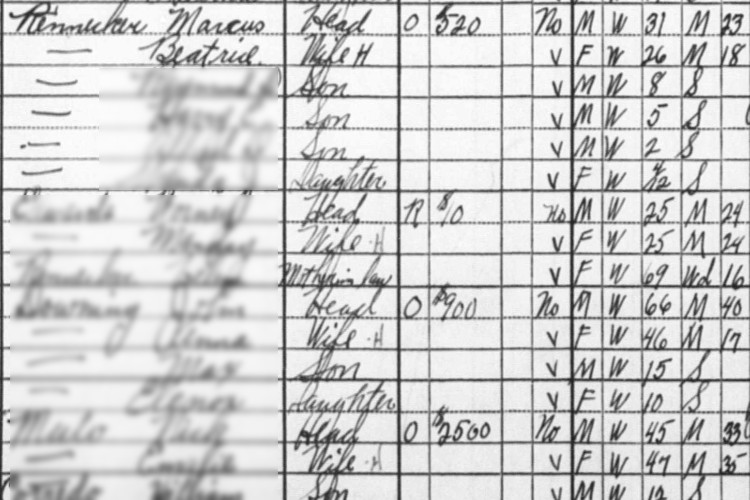
Marcus Renicker recorded on the 1930 census for Goshen Township, Tuscarawas County, Ohio. (Source: familysearch.org)
Rescue efforts began immediately. Mine owners, local officials, miners, and townspeople rushed into the gas-filled drift, often without protective gear. Sam Cook (1881-1957), one of the mine’s owners, went into the mine after the blast and remained there as long as he could to assist rescue parties. Fire department members, physicians, and Salvation Army workers supported the rescue and recovery efforts. Several rescuers were themselves overcome by carbon monoxide and had to be hospitalized. The bodies of all of the deceased were finally recovered by 5:30 p.m. and taken to the Broadhurst Funeral Home.
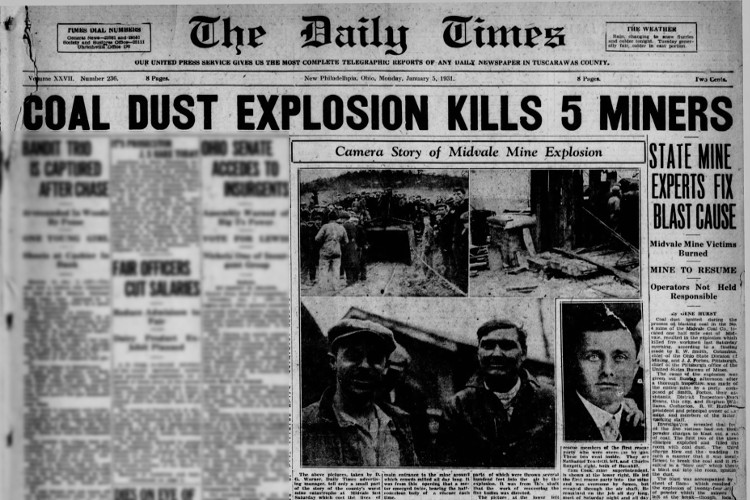
New Philadelphia, Ohio newspaper headline and story on the Midvale mine explosion, January 1931. (Source: newspapers.com) 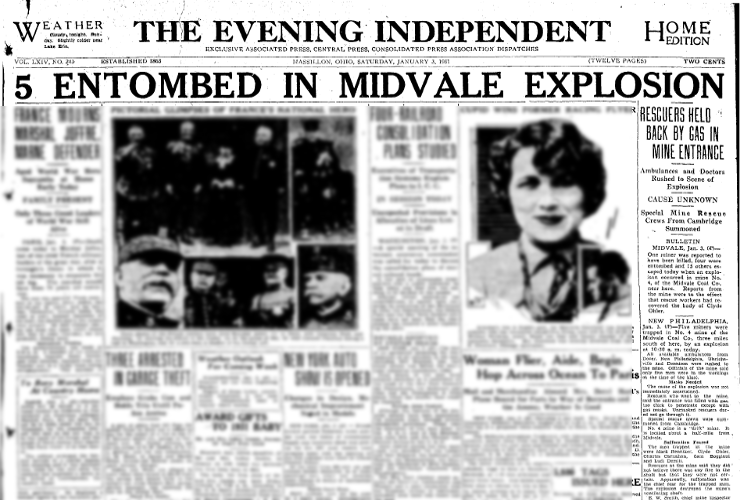
Massillon, Ohio newspaper headline and story on the Midvale mine explosion, January 1931. (Source: newspapers.com) 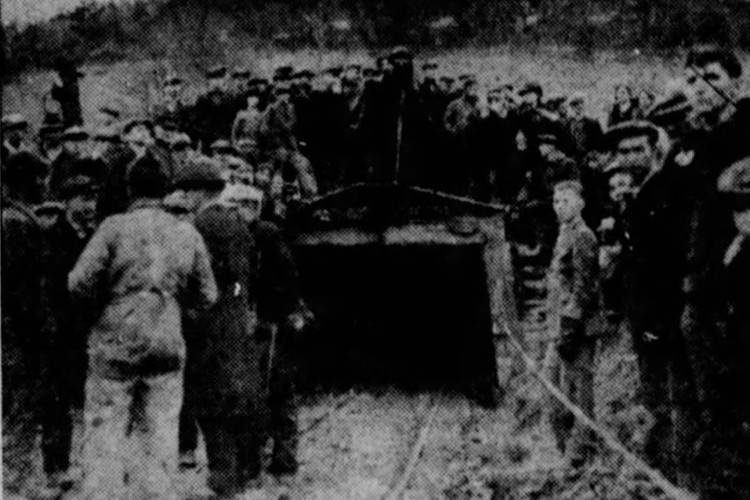
Photograph of the mine entrance from the New Philadelphia, Ohio newspaper story on the Midvale mine explosion, January 1931. (Source: newspapers.com) 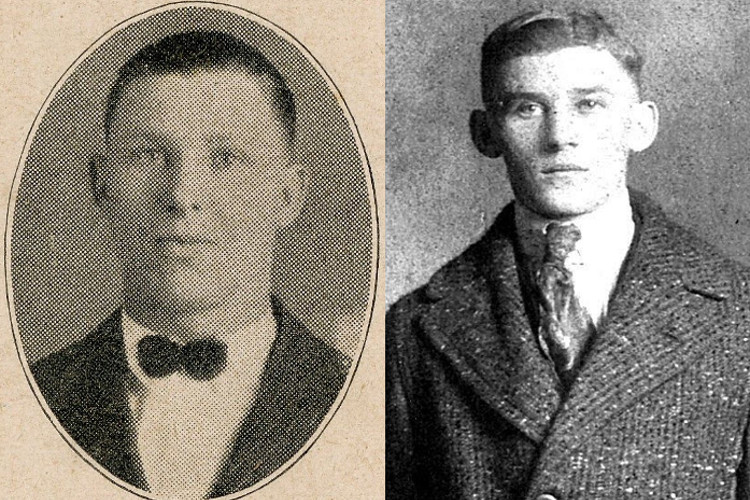
Photographs of Ludwig Demattio (L) and Marcus Renicker (R). c. 1930. (Source: findagrave.com)
State and federal mine inspectors then conducted a thorough investigation in the hours immediately after the explosion, working methodically through the wreckage despite lingering smoke, unstable timbers, and the ever-present danger of secondary blasts. After compiling their findings, the inspectors concluded that the explosion was accidental and absolved the mine operators of any blame. They also reported no evidence that miners had broken into abandoned mine shafts, finding instead that the blast stemmed from conditions that, while tragic, did not appear to involve negligence.
The Midvale disaster exposed both the lethal dangers of coal mining and the resilience of the Midvale community. The mine, one of the largest and best equipped in the district at the time, was temporarily closed until after funeral services for the five men lost in the explosion. Though investigators cleared the company of negligence, the tragedy stood as a stark reminder of the volatile mixture of coal dust and explosives that defined early twentieth-century mining in Tuscarawas County and elsewhere.
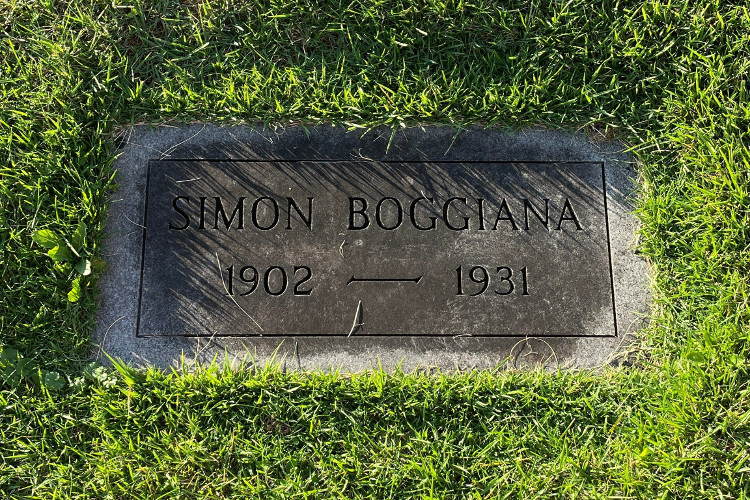
Simon Boggiani’s headstone in Calvary Cemetery, New Philadelphia, Ohio, 2022. (Source: findagrave.com) 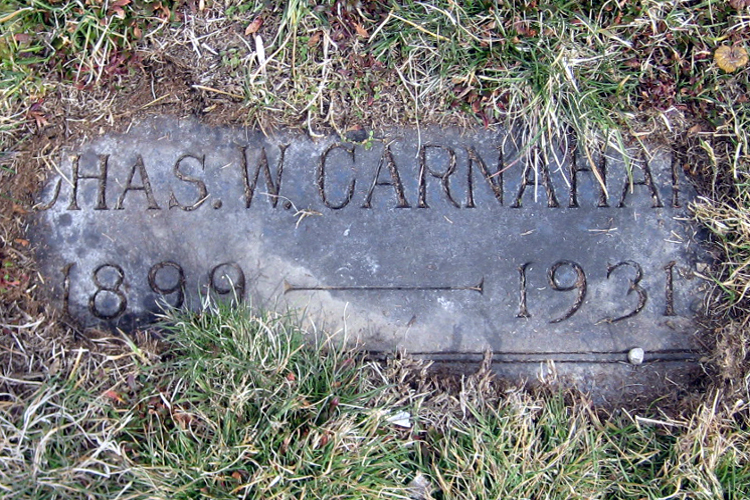
Charles Carnahan’s headstone in Evergreen Burial Park, New Philadelphia, Ohio, 2013. (Source: findagrave.com) 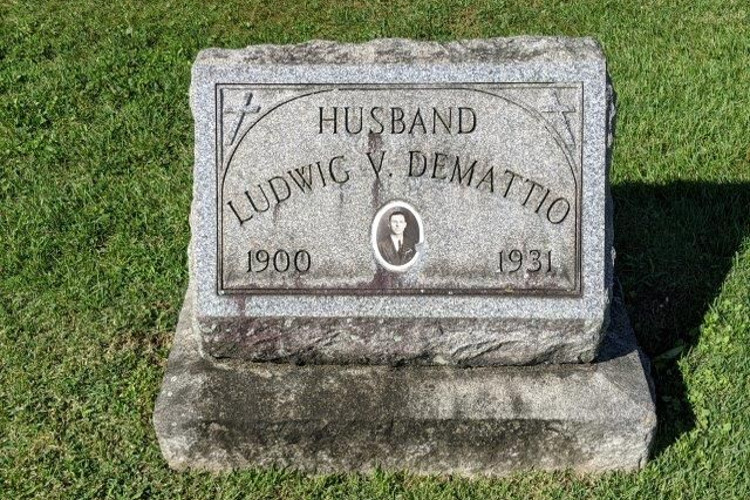
Ludwig Demattio’s headstone in Calvary Cemetery, New Philadelphia, Ohio, 2021. (Source: findagrave.com) 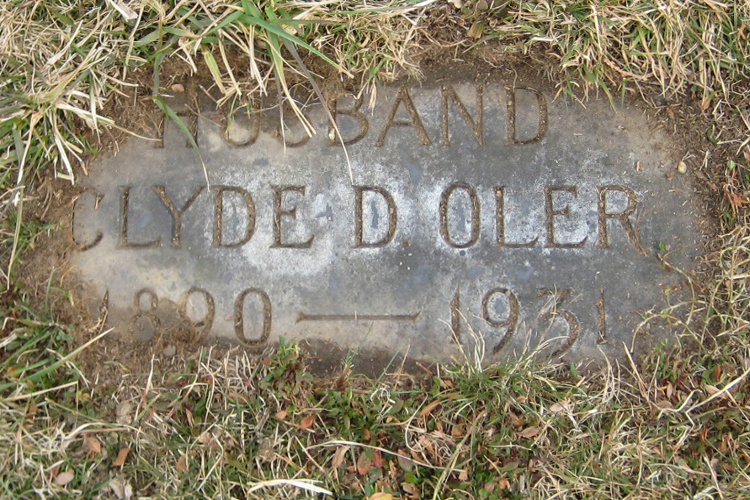
Clyde Oler’s headstone in Evergreen Burial Park, New Philadelphia, Ohio, 2013. (Source: findagrave.com) 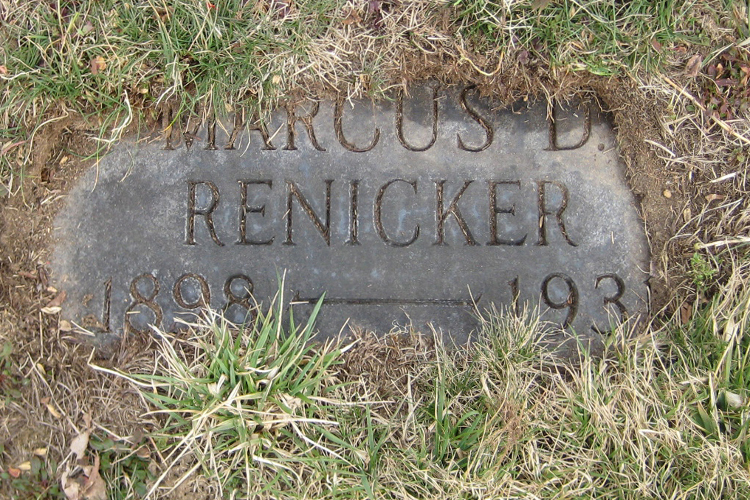
Marcus Renicker’s headstone in Evergreen Burial Park, New Philadelphia, Ohio, 2013. (Source: findagrave.com)
Enjoy my stories?

© Noel B. Poirier, 2026.
 Tuscarawas County Stories