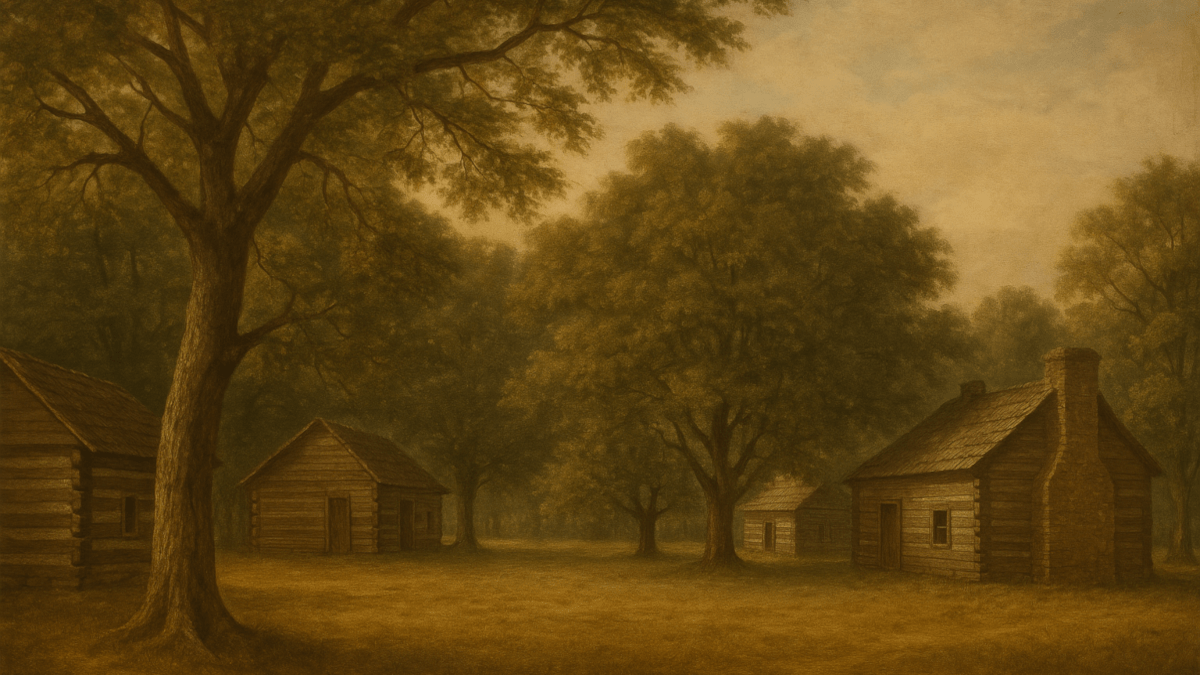
I stumbled upon an interesting reference — one that links a respected Tuscarawas County founder to a moment of sorrow, exploitation, and quiet unraveling at the Moravian mission at Goshen.
I recently reread a book that I read while in college and studying the Pennsylvania / Virginia frontier (aka Ohio) and something jumped out at me that would not have noticed many years ago. The book, Blackcoats Among the Delaware: David Zeisberger on the Ohio Frontier by Earl P. Olmstead, details the missionary efforts of the Moravians in Ohio and the challenges they faced. One of those challenges, to the Goshen mission in the early 1800s, came from a New Philadelphia man with the well-known surname of Shane. Was this Tuscarawas County founding father Abraham Shane (1782-1851), a man so lauded in later life and histories of the county?
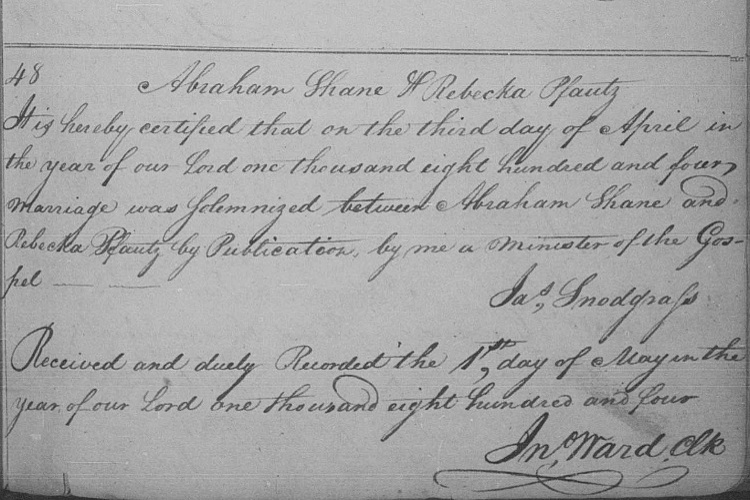
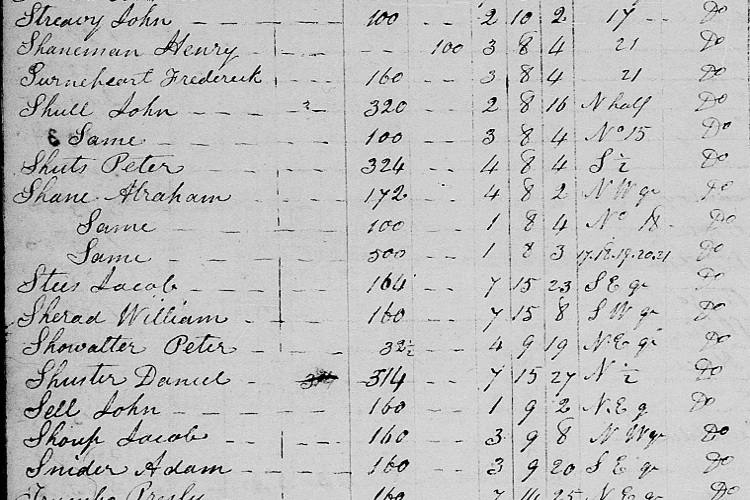
Olmstead relied heavily on the diaries of the missions – Moravians are meticulous record keepers – and it was in entries by Brother Benjamin Mortimer, secretary to the venerable David Zeisberger, that Shane’s name frequently appeared. Shane was mentioned along with another man, David Pfautz. Pfautz was the maiden name of Abraham Shane’s first wife Rebecca (1782-1832) indicating that perhaps David may have been a father-in-law or brother-in-law. The challenge, as outlined in Mortimer’s diaries, is certainly consistent with Abraham Shane’s early known activities in New Philadelphia.
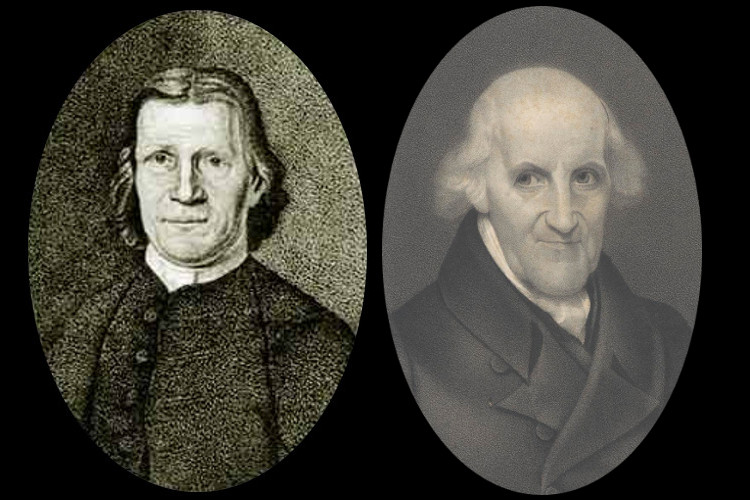
The Moravian mission at Goshen was led by Rev. David Zeisberger and the congregation was composed of converted Delaware and other Indigenous peoples and a handful of members of European descent. Among the most steadfast of these converts were Ignatius and Christina, an Indigenous married couple whose dedication stretched back to their own baptisms – Ignatius at Schoenbrunn in 1773 and Christina at Gnadenhutten in 1774. Their loyalty to the mission was unwavering, and Ignatius, a skilled carpenter and master builder, played a vital role in sustaining the physical and spiritual structure of Ohio’s Moravian missions. Together, they raised their son Henry within the confines of this faithful community.
Henry, struggled with the two identities of being Indigenous and Christian, and took his own life by ingesting poison on March 30, 1805. His suicide shook the mission, not only for the tragedy itself but for what followed. Rev. Zeisberger, bound by strict doctrine that considered suicide a grave sin, refused to let Henry be buried in the mission’s cemetery. Henry was laid to rest instead in the hills behind Goshen, a final act of exclusion that devastated his grieving parents and extended family. Though the mission had long enjoyed a near-total absence of drunkenness and vice, this tragedy marked a turning point – an opening through which two New Philadelphia men soon entered.
Not long after Henry’s death, two men began to appear regularly in Mortimer’s diary of the mission: David Pfautz and “Mr. Shane”, described as liquor traders and tavern keepers from nearby New Philadelphia. Their presence was tied to the growing unrest within the congregation, particularly among Henry’s relatives, who were upset by his treatment in death. On April 12, 1805 (Good Friday) the two men provided liquor to those mourners, who drank heavily and stirred disorder. Encouraged by Ignatius, many congregants boycotted the mission’s Easter services. Not long after, Ignatius and Christina, unable to bear the weight of sorrow and estrangement, left Goshen behind and settled at another mission.
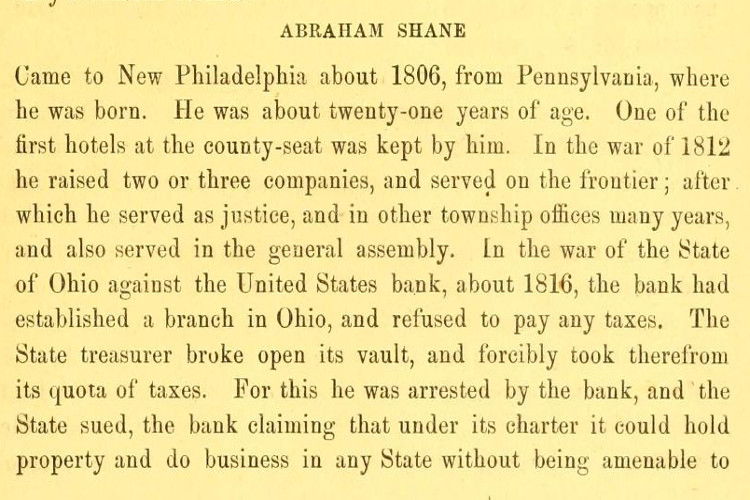
Portion of Abraham Shanes’ biographical sketch found in “Ohio Annals. Historic Events in the Tuscarawas and Muskingum valleys, and in other portions of the state of Ohio…”, 1876. (Source: archive.org) 
Benjamin Mortimer’s diary entry relating to the sugar making incident with Pfautz and Shane. (Source: Blackcoats Among the Delaware: David Zeisberger on the Ohio Frontier, pages 131-132)
In the weeks and months that followed, the dark influence of Pfautz and Shane deepened. On May 19, the same mourners returned to Pfautz and Shane’s tavern in New Philadelphia, drinking themselves into a state of shameful disorder. Men and women who had once been beacons of sobriety and sanctity now teetered under the weight of grief and temptation. These two Americans, despite generally positive relations between Goshen and citizens of New Philadelphia, were consistently recorded by Rev. Mortimer as deliberate agents of disruption – men who weaponized alcohol for profit against the fragile harmony of the mission.
The situation worsened by March of 1806. During the annual sugar making season, when the congregation scattered in the woods and the missionaries were absent, Pfautz and Shane seized the opportunity. They visited the congregants at their remote camps, and provided alcohol in exchange for their sugar and any spare clothing. Mortimer referred to the men in his diary as “mean and pitiful” for taking advantage of the mission’s flock when their leaders were absent. What began as mourning turned into a slow unraveling, and though the mission endured, its purity had been compromised. The story of Henry’s death and its bitter aftermath remains a painful chapter in the history of the Goshen mission – a testament to how sorrow, when left untended, can open doors to ruin. Doors that, perhaps, a founding father of Tuscarawas County kicked open for personal gain.
Sources:
Baker, Jon. “Hooked on History: Abraham Shane Helped Build Tuscarawas County in Early 1800s.” The Times Reporter, 8 Nov. 2021.
Doerschuk, A. B. Abraham Shane and His Times. s.l: A.B. and V.C. Doershuk, not dated. Print.
Olmstead, Earl P. Blackcoats Among the Delaware: David Zeisberger on the Ohio Frontier. Kent State University Press, 1991.
Wallace, Paul A. W., editor. The Travels of John Heckewelder in Frontier America. University of Pittsburgh Press, 1958.
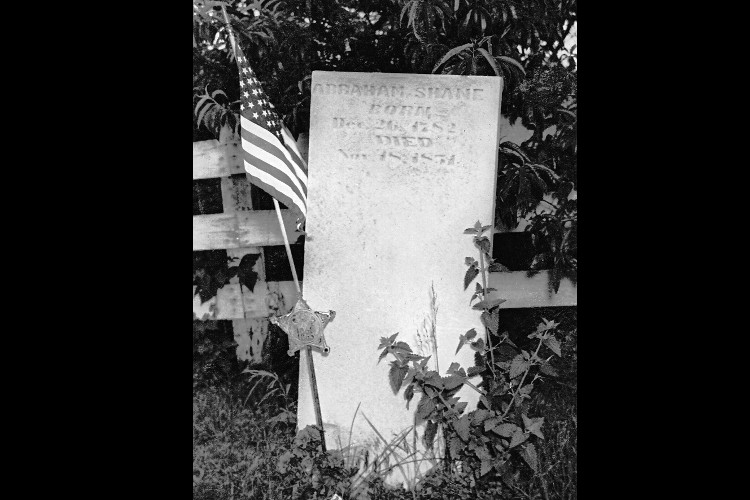
Headstone of Abraham Shane in the Shane Cemetery, Jefferson County, Ohio, 2014. (Source: findagrave.com) 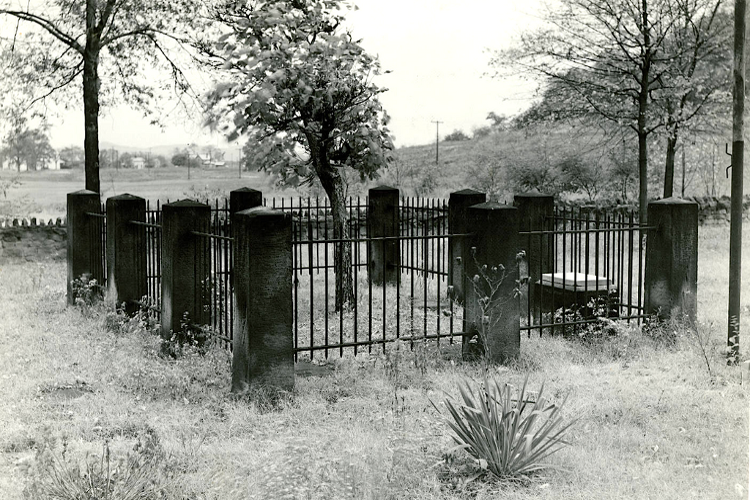
Zeisberger Cemetery, Goshen, Ohio, undated. (Source: findagrave.com) 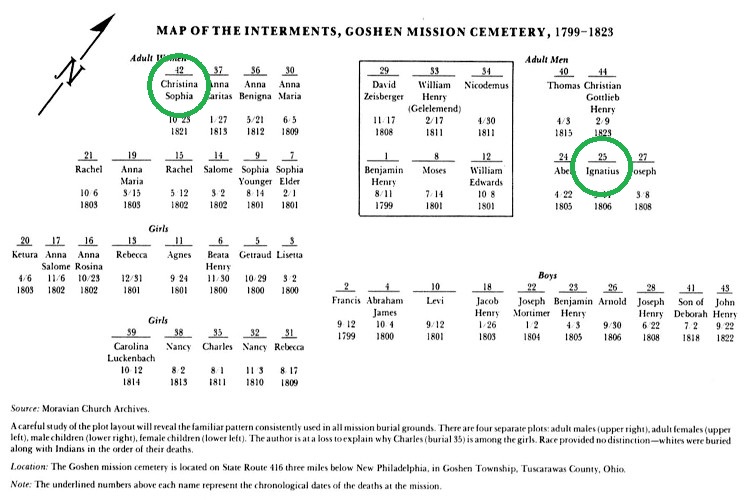
Map of Internments at Goshen Cemetery with Ignatius and Christina’s graves circled in green. (Source: Blackcoats Among the Delaware: David Zeisberger on the Ohio Frontier, Appendix D)
Enjoy my stories?


© Noel B. Poirier, 2024.
 Tuscarawas County Stories