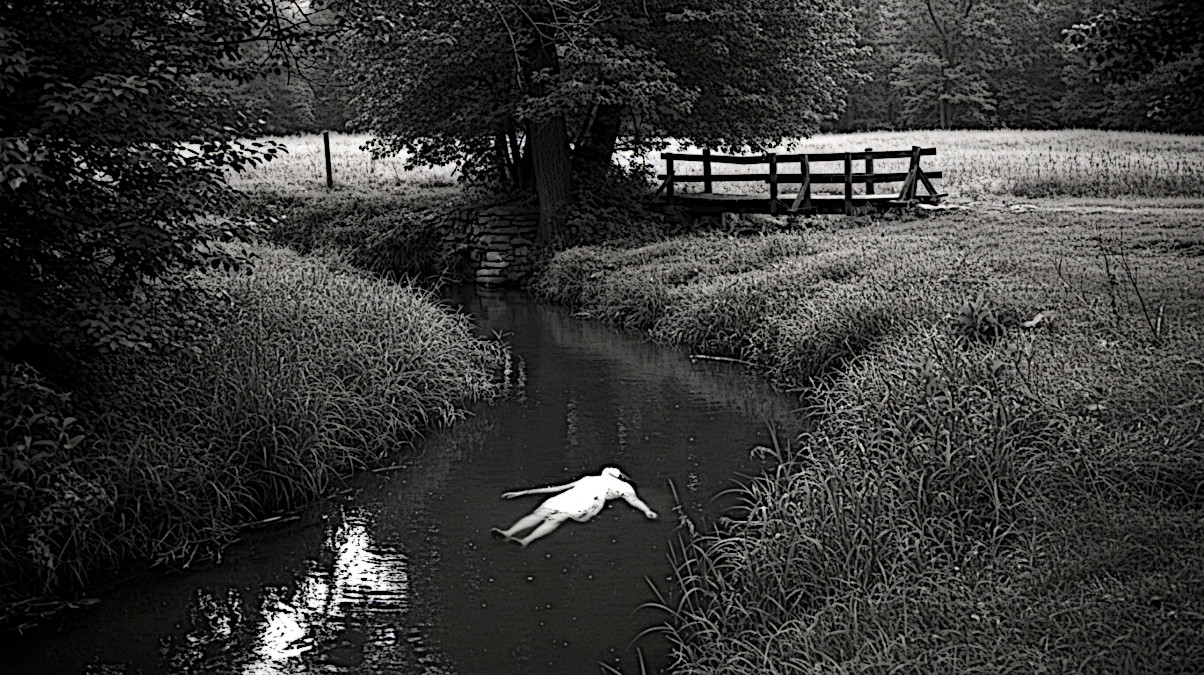
In the spring of 1930, seventeen-year-old Clara L. Campbell vanished after a dispute with her father, only to be found dead in Sweetwater Creek days later—her mysterious death raised more questions than answers.
Content warning: This post contains references to suicide. If you or someone you know has a mental illness, is struggling emotionally, or has concerns about their mental health, there are ways to get help. Click here for resources to find help for you, a friend, or a family member.
The Campbell family, who lived just south of Newport in Mill Township, Tuscarawas County, arrived from Kentucky around 1915. Napoleon Bonaparte Campbell (1884-1932) worked for the railroad in Dennison and his wife, Mary Ida Powers (1886-1928), cared for their six children. The family suffered a series of tragedies in the late 1920s, including the deaths of one of their sons in a car accident in 1927 then Mary’s death from sepsis in 1928. A year later the eldest son died from appendicitis, but the family’s suffering did not end there. They were destined to suffer another loss in 1930.
One of the Campbell’s daughters was seventeen-year-old Clara L. Campbell (1913-1930) who had just completed her Freshman year at Immaculate Conception High School in Dennison. Clara lived the typical teenager’s life, visiting nearby friends when the stresses of home life became too great. Unfortunately, Clara’s life took a tragic turn on the afternoon of May 7, 1930 following a heated argument with her father over her desire to travel by automobile to Canton with a boyfriend. Napoleon refused to allow it and Clara allegedly left her home after the argument that day, and never returned.
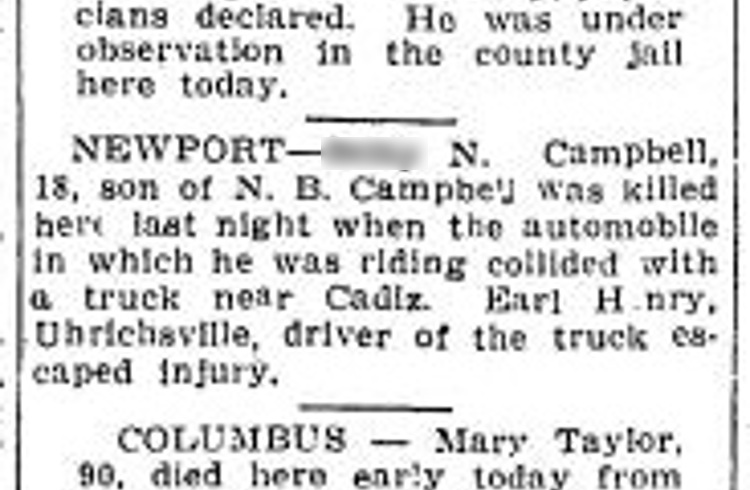
The death of one of the Campbell son’s reported in the Sandusky, Ohio newspaper, December 1927. (Source: newspaperarchives.com) 
Mary Campbell’s death reported in the New Philadelphia, Ohio newspaper, February 1928. (Source: newspaperarchives.com) 
The eldest Campbell son’s death reported in the New Philadelphia, Ohio newspaper, April 1929. (Source: newspaperarchives.com) 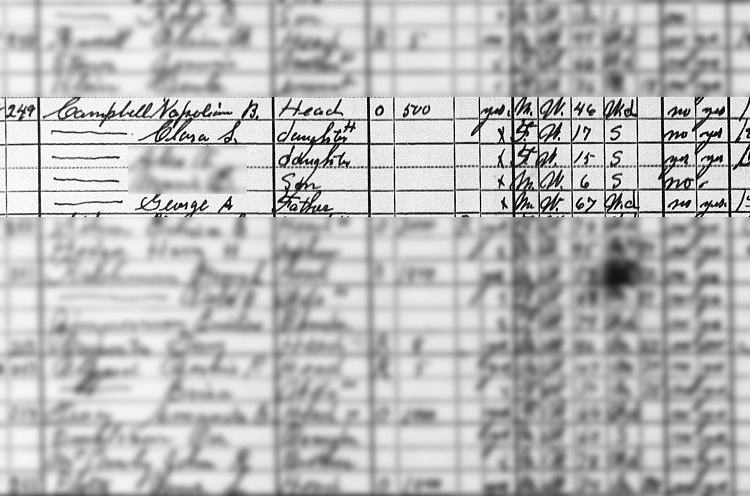
The Campbell family recorded on the Mill Township, Tuscarawas County, Ohio Census for 1930. (Source: familysearch.org)
Two days later railroad track laborer Oscar Russell (1897-1955) made a grim discovery in the middle of Sweetwater Creek. Just fifty feet downstream from the Barger Bridge on the Dennison Road, Clara’s lifeless body lay partially submerged in the water. Her remains were pulled from the creek by a young man named Tom Settles (1911-?), and investigators were immediately met with troubling signs. She was dressed in overalls but was missing the slippers she had been wearing when she left home and blood residue trickled from her mouth.
Sheriff Harry C. Smith (1876-1964) felt the case suspicious and quickly called Coroner James Floyd Lewis (1899-1977) to the scene. Lewis, a funeral director by trade, ordered an autopsy to be performed at Edward A. McCollam & Son funeral home. It was discovered during the autopsy that no water was found in her lungs which suggested that Clara had not drowned. Shortly afterwards, searchers discovered Clara’s missing slippers. They were found hidden on the bank of the creek, half a mile upstream, yet no footprints surrounded them in the soft earth. If Clara had entered the water at that location, investigators believed it was impossible for her body to have naturally drifted the distance to where she was found.
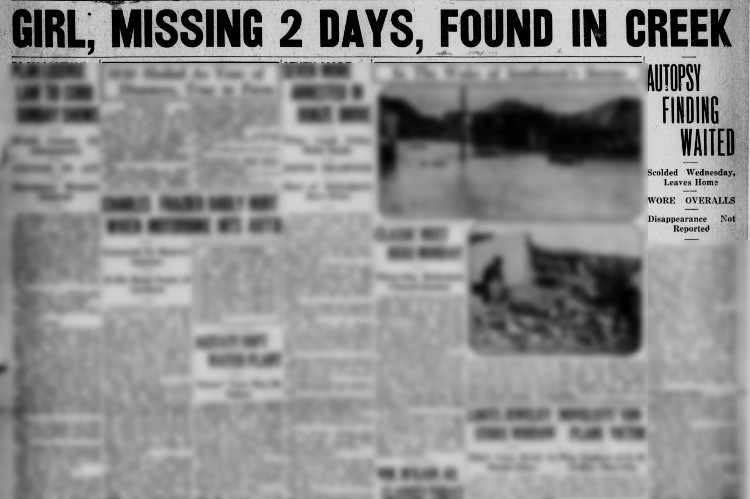
New Philadelphia newspaper headline on Clara Campbell’s death, May 1930. (Source: newspaperarchives.com) 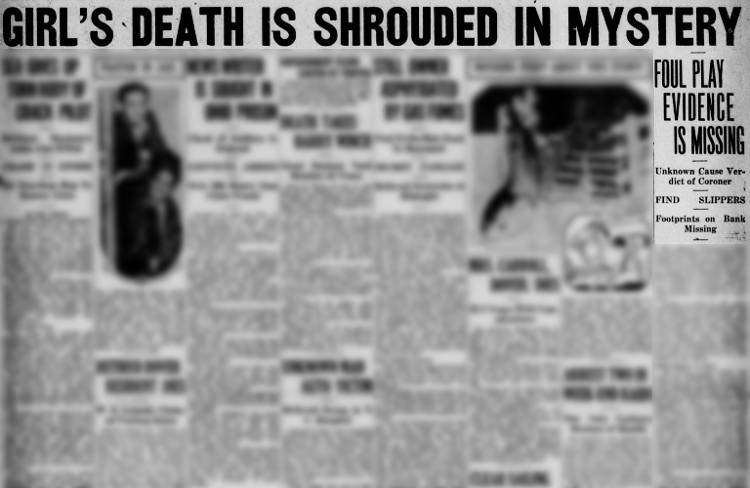
New Philadelphia newspaper headline on the investigation into Clara Campbell’s death, May 1930. (Source: newspaperarchives.com) 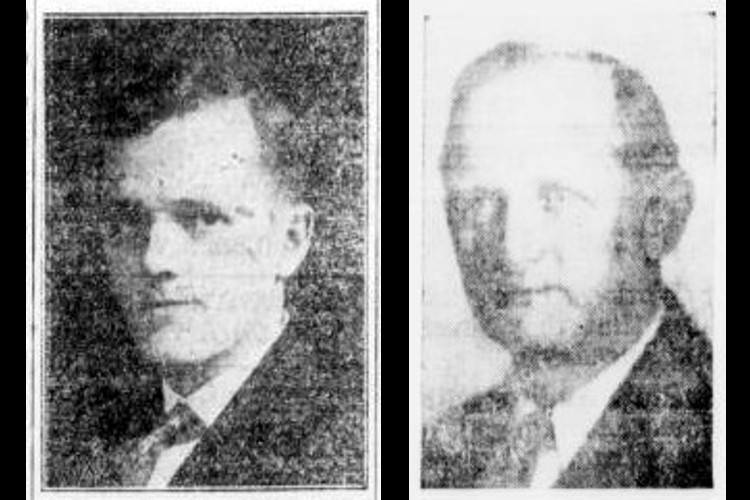
New Philadelphia, Ohio newspaper images of Coroner James Floyd Lewis (L) and Sheriff Harry C. Smith (R). (Source: newspaperarchives.com) 
Urbana, Ohio newspaper article on the death of Clara Campbell, May 1930. (Source: newspapers.com)
Adding to the mystery of what had occurred, was the coroner’s belief that the decomposition of Clara’s body indicated that she had been in the water for longer than two days. This contradicted the timeline of her disappearance, suggesting she may have died before Wednesday, May 7, or had been placed in the water after death. With no clear signs of drowning, the presence of blood, and the inconsistencies in the location of her slippers, Sheriff Smith suspected foul play. Despite the Sheriff’s suspicions, Coroner Lewis decided instead to attribute Clara’s death to accidental drowning, and thereby ending any investigation.
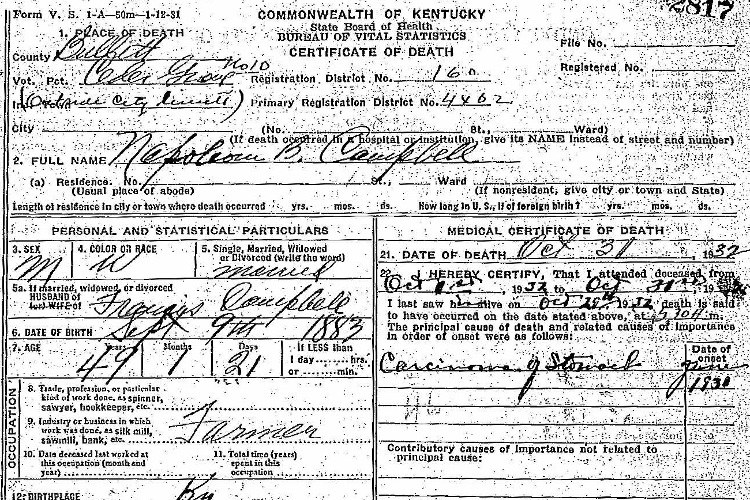
Shortly after Clara’s death, Napoleon Campbell returned to Kentucky, remarried, and died less than two years after Clara’s death. What really happened to Clara L. Campbell? There were some that believed that she had taken her own life after the argument with her father, others believed she had suffered foul play at the hands of a yet-unidentified perpetrator. There was also the possibility that her death was an accident, that she had somehow fallen into the creek and drowned. Since no further investigation occurred after Coroner Lewis’ determination of drowning as her cause of death, we will never know the answer. Clara rests in Union Cemetery, Uhrichsville, Ohio.


Enjoy my stories?


© Noel B. Poirier, 2024.
 Tuscarawas County Stories