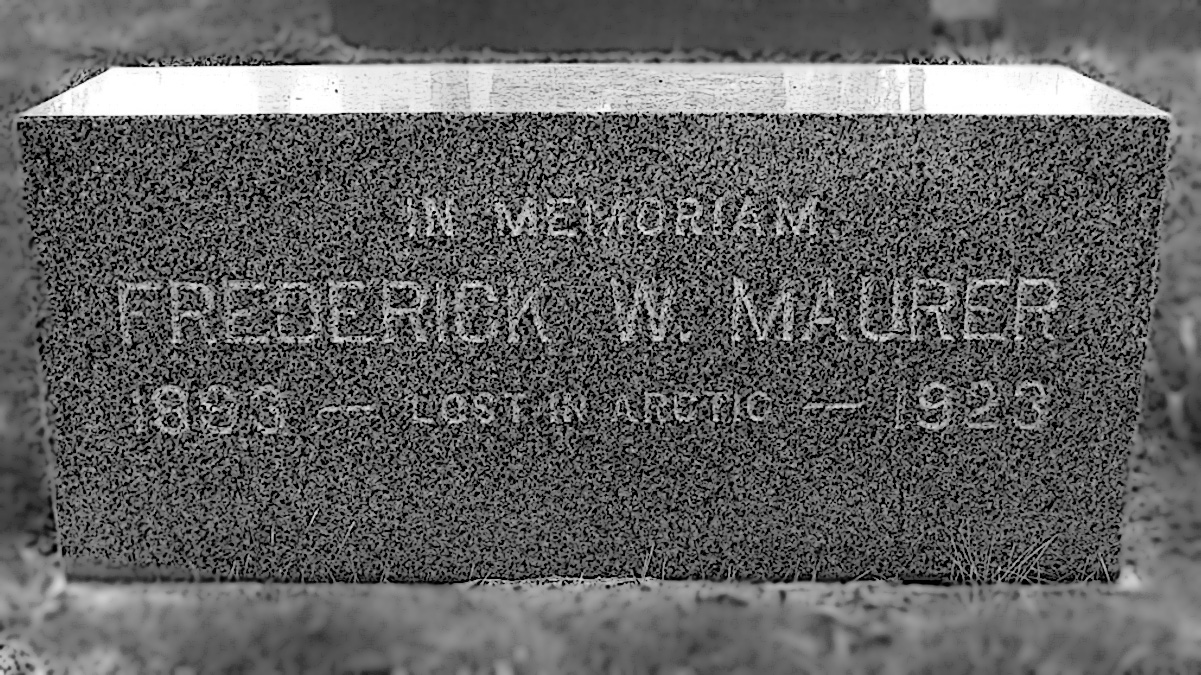
Fred Maurer’s remarkable yet tragic journey as an Arctic explorer saw him venture into the frozen unknown, only to meet an untimely fate on Wrangel Island.
Fred Maurer and two other members of the Wrangel Island team never made it to the coast of Siberia or to Alaska. According to Canadian Arctic explorer Vilhjalmur Stefansson, the expedition’s promoter, it was likely that the men either fell through thin ice on their journey or, perhaps worse, the ice opened up beneath them as they slept. Additionally, the expedition’s leader died from disease, likely scurvy, while at their base camp on Wrangel Island. The only survivor was an Indigenous woman named Ada Blackjack (1898-1983).
When the relief ship arrived on Wrangel Island in September 1923 and found only Ada Blackjack alive, there were many questions about what had happened to the expedition and how it was that she came to be the only survivor. There was also at least one person on board the relief ship interested in pointing a critical finger at Vilhjalmur Stefansson. He was named Harold Noice and he served on expeditions with Stefansson during his 1916-1917 Arctic explorations. Luckily, between letters written by members of the expedition and never mailed and diaries kept by both the expedition’s leader Lorne Knight (1893-1923) and by Ada there was evidence of what occurred to the party on Wrangel Island.
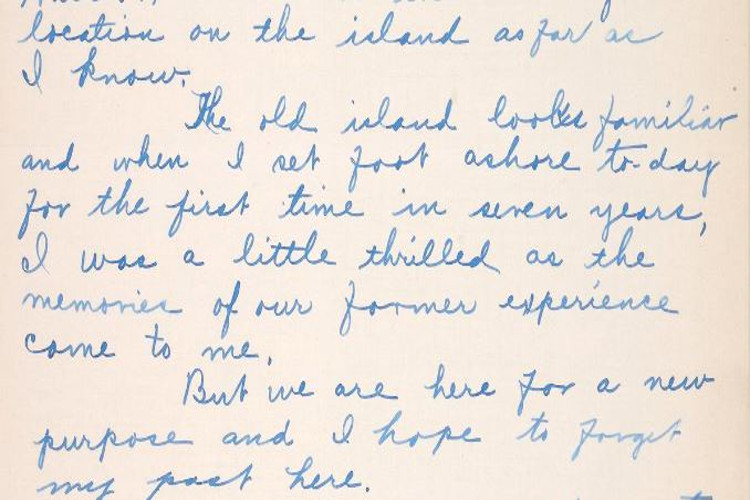
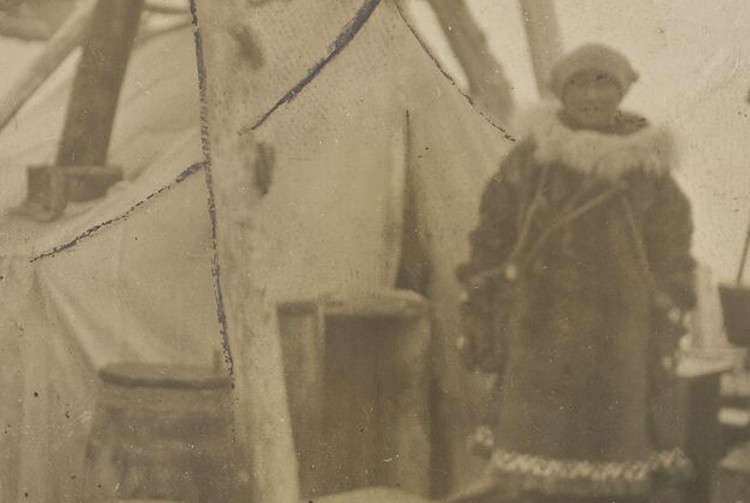
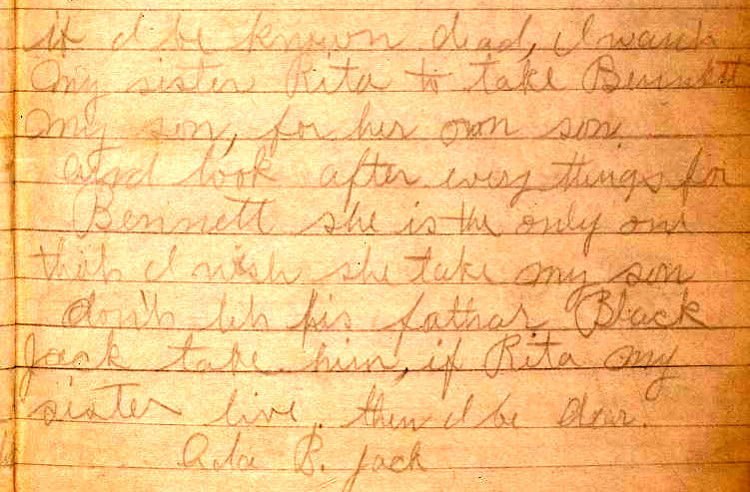
Nonetheless the press at the time, and some in the academic realm, were willing to listen to the criticisms of Stefansson voiced by Noice and at least one of the families of the deceased explorers. The criticisms were so serious that Stefansson set out almost immediately to quell them by writing a book documenting the expedition’s planning and speculating on what happened to them once the expedition arrived on Wrangel Island. Stefansson gathered and read letters to and from family members, Lorne Knight’s diary (defaced by Harold Noice), Ada Blackjack’s diary, and shared his own experiences in the Arctic region. The book, complete with images taken by the expedition, was titled The Adventure of Wrangel Island and was printed in 1925.
Despite the criticism directed at Vilhjalmur Stefansson, the members of the expedition were not the targets of the same criticism. Their efforts at establishing a permanent station on Wrangel Island, and therefore establishing it as a territory of Canada or Great Britain, was hailed as a heroic effort worthy of praise and recognition. Three years after Fred Maurer’s death in the Arctic, the New Philadelphia Chamber of Commerce considered the creation of memorial to Fred Maurer. During their May 1926 meeting, a Cleveland design firm presented a watercolor depiction of the memorial to the membership. That same year both of Fred Maurer’s parents passed away at their home on West High Street, just three years after their adventurous son.
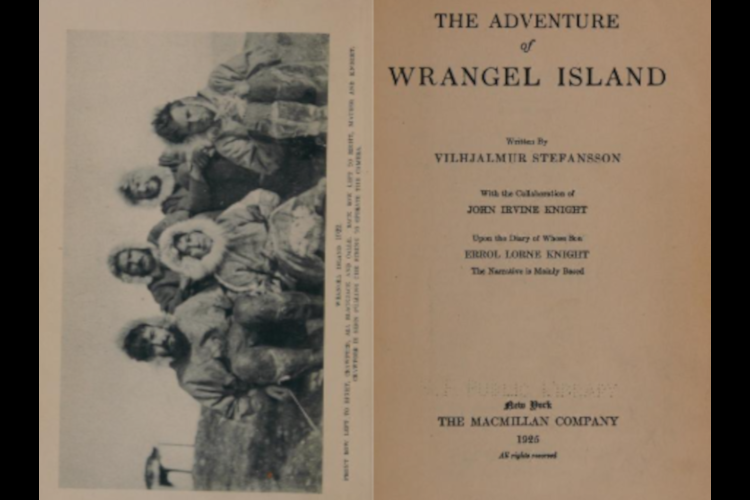
Title page of Stefansson’s book “The Adventure of Wrangel Island”, 1925. (Source: archive.org) 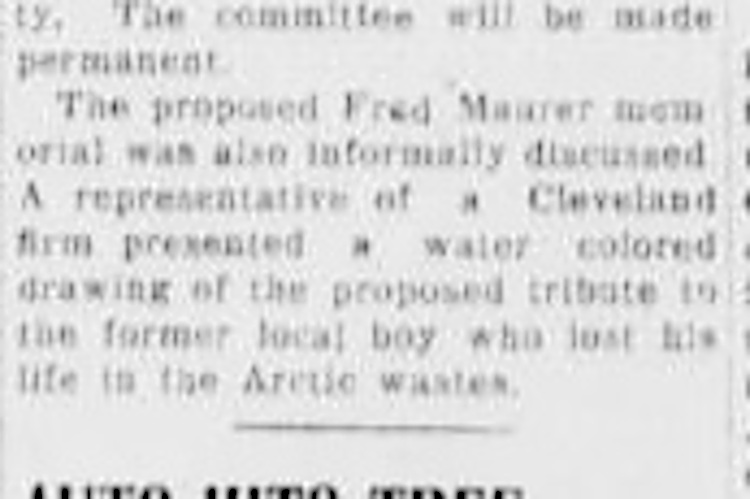
Detail from New Philadelphia, Ohio newspaper article that discussed the Fred Maurer memorial, May 1926. (Source: newspaperarchive.com) 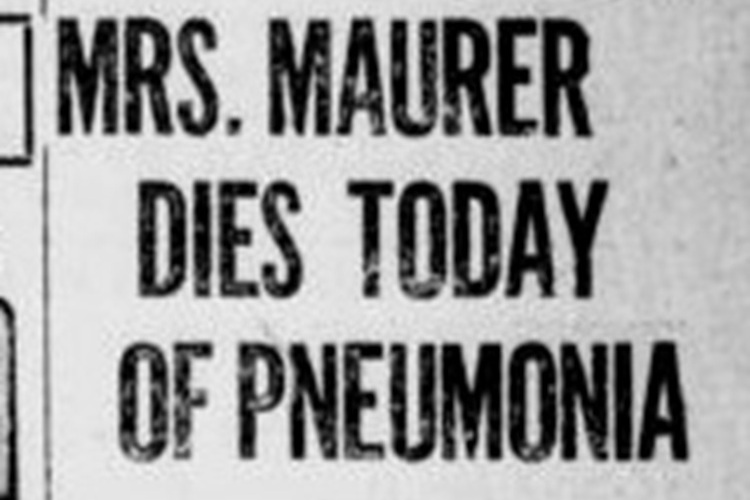
New Philadelphia, Ohio newspaper headline reporting the death of Fred Maurer’s mother, February 1926. (Source: newspaperarchive.com) 
New Philadelphia, Ohio newspaper headline reporting the death of Fred Maurer’s father, November 1926. (Source: newspapers.com)
The year that Fred Maurer’s parents passed away was somber for another reason. Fred brought home with him the doomed ship Karluk‘s mascot when he returned to New Philadelphia in 1914. The black and white cat, called Nigeraurak by the Inuit members of the crew and Vlad by the American and Canadian members, had been cared for by Maurer during the year they were stranded in the Arctic. Nicky, as she became known, lived the rest of her life at the Maurer home on West High Street in New Philadelphia, Ohio and died there in the summer of 1926.
Despite the fact that Frederick W. Maurer only lived for thirty-years, he packed an enormous amount of adventure and exploration into that short life. The expeditions he took part in are documented in numerous written volumes and in the archives of libraries and universities in both the United States and Canada. Photographs of Frederick Maurer, taken in the Arctic, are abundant and show a young man not just surviving in the Arctic, but also reveling in his opportunity to contribute to the world’s understanding of that frozen region of the world. No memorial to Fred Maurer was built, no local schools were named after him, and the home in which he grew up in no longer exists. Merely a cenotaph in the Fair Street Cemetery stands as his memorial.
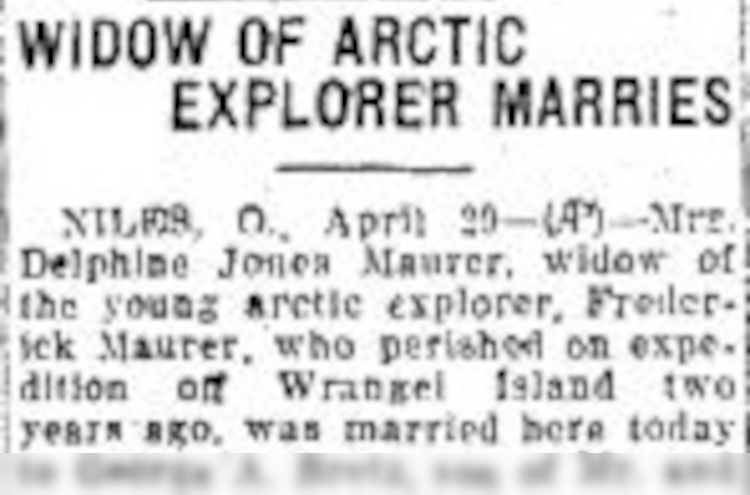
Findlay, Ohio newspaper story reporting the marriage of Fred Maurer’s widow, April 1925. (Source: newspaperarchive.com) 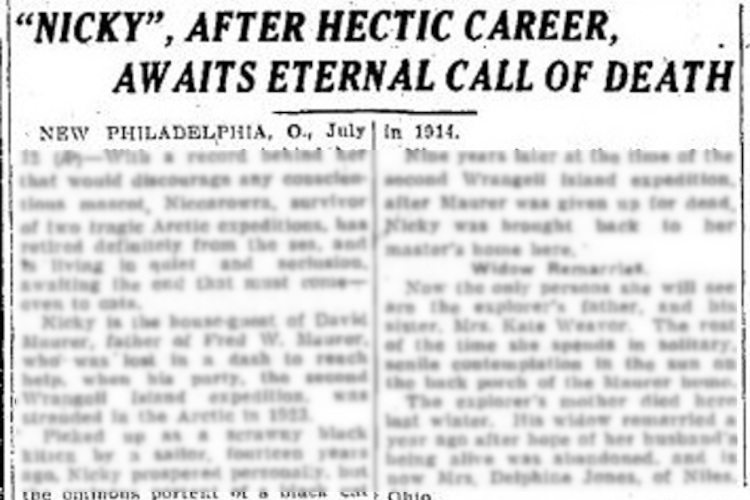
Massillon, Ohio newspaper story reporting the death of Fred Maurer’s cat Nicky, July 1926. (Source: newspaperarchive.com) 
Image from a Canton, Ohio newspaper showing Fred Maurer in his Arctic clothing, January 1924. (Source: newspaperarchive.com)
Enjoy my stories?


© Noel B. Poirier, 2025.
 Tuscarawas County Stories