
Fred Maurer, and 24 others aboard the Karluk, were trapped in Arctic sea ice, setting off a harrowing year-long ordeal of survival, shipwreck, and an arduous journey across treacherous sea ice.
The 25 person crew of the Canadian Arctic Expedition’s ship the Karluk, including New Philadelphia’s Fred Maurer, was prepared to overwinter in the Arctic Ocean sea ice 20 miles from the visible shoreline in August 1913. The ship was amply supplied with what was needed to sustain the crew until a thaw occurred and they could continue their explorations. After about a month in the ice, during which the Karluk gradually drifted to the west, Vilhjalmur Stefansson organized a hunting trip to the shore in search of caribou. Shortly after the departure of Stefansson’s party a blizzard, with powerful winds and blinding snow, enveloped the Karluk.
When the storm finally ended and the skies cleared, the crew of the Karluk could no longer see the Alaskan shoreline. The storm had pushed the ice pack west and, now caught in rapid Arctic currents, the Karluk continued a westward movement. When Vilhjalmur Stefansson’s hunting party returned to where they had left the Karluk, the ship was gone and the party feared the worst; that the ship had been crushed by the moving ice and sank. Luckily, the experienced crew, very much alive on the Karluk, did not panic and took steps to both lighten the ship and make sure no supplies were lost in the event the ship did sink. News reached New Philadelphia, Ohio however from Stefansson in late November 1913 that the Karluk was believed lost.

Stefansson (foreground) and his hunting party on their departure from Karluk, September 1913. (Source: wikipedia) 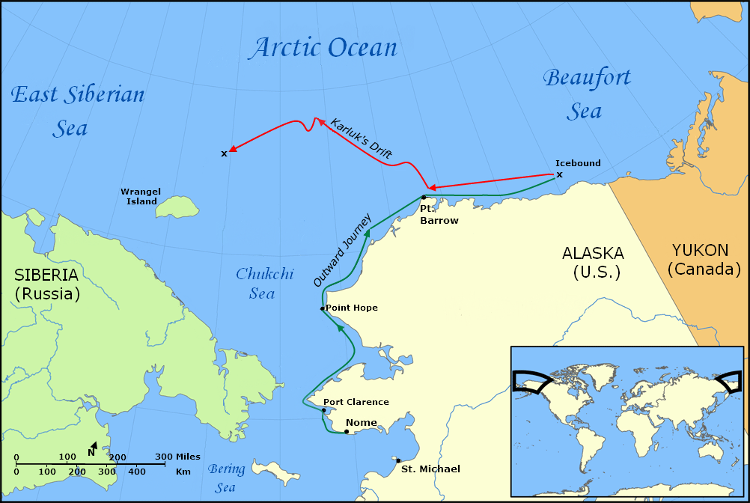
Map showing the Karluk’s drift west in the fall and winter of 1913. (Source: wikipedia) 
New Philadelphia, Ohio newspaper article reporting on the possible loss of the Karluk and Fred Maurer, November 1913. (Source: newspaperarchive.com)
Despite the fact that the Karluk‘s Captain, Robert Bartlett (1875-1946), had private doubts about the ship’s survival, the crew celebrated Christmas with decorations, games on the ice, and a feast. Worsening ice conditions by the New Year caused increasing pressure on the ship, and on January 10, 1914, the hull was fatally breached. Bartlett ordered an immediate evacuation, ensuring as many supplies as possible were salvaged. The stranded survivors, including Fred Maurer, established a “Shipwreck Camp” on the ice with makeshift shelters and sufficient provisions. They then prepared for a difficult march over the ice to a distant island, Wrangel Island.
Bartlett sent an advance party toward Wrangel Island, but they mistakenly headed toward a different island and were never seen again. Another group left independently despite warnings, and they too vanished. The party, now made up of 14 men, a woman, two children, and five Inuit, continued their journey to Wrangel Island. They slowly advanced through treacherous ice, struggling against pressure ridges and dangerous conditions and, after weeks of grueling walking, finally reached Wrangel Island on March 12. Fred Maurer, now 21 and suffering from feet frozen to the point of near frostbite and snow blindness in one eye, was among them.
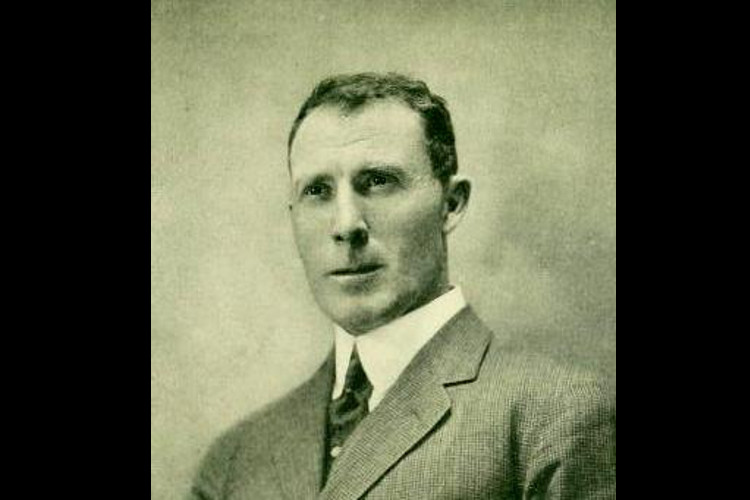
Captain Robert Bartlett, commander of the Karluk, c. 1913. (Source: wikipedia) 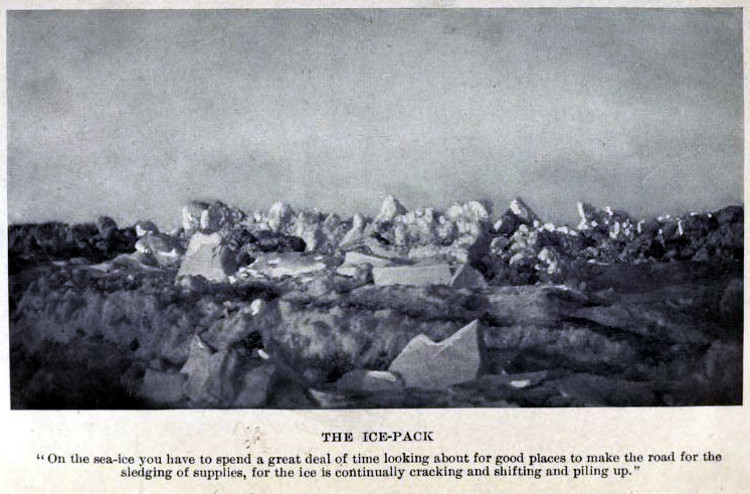
View of the ice pack faced by the survivors of the Karluk, 1914. (Source: “The Last Voyage of the Karluk” by Robert A. Bartlett via archive.org) 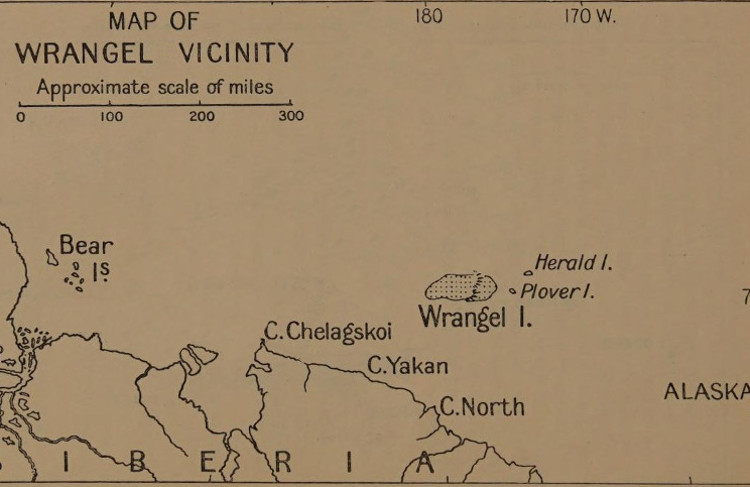
Map showing the location of Wrangel Island off the northern coast of Siberia, 1926. (Source: “The Adventure of Wrangel Island” by Vilhjalmur Stefansson via archive.org) 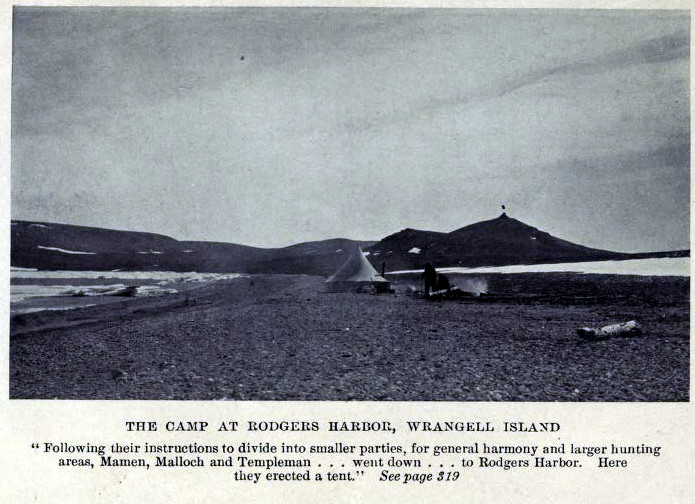
One of the camps of the survivors of the Karluk on Wrangel Island, 1914. (Source: “The Last Voyage of the Karluk” by Robert A. Bartlett via archive.org)
Bartlett initially planned for the group to rest on Wrangel Island before continuing to Siberia but due to injuries and frostbite among the men, including Fred Maurer, he decided to leave the main party behind and seek help. Bartlett and one of the Inuit men set out on March 18 with limited supplies. Their journey across the ice was slow and dangerous due to shifting ice and open water. When they reached the Siberian coast on April 4, they were relieved to find a small indigenous village. They traveled east through various settlements, traded for supplies, before they reached a Russian settlement on April 24. From there, Bartlett was able to arrange passage to Alaska. Once there, he sent word of the Karluk‘s fate and hoped to organize a rescue.
Meanwhile, Fred Maurer and the rest of the stranded group on Wrangel Island struggled with dwindling food supplies and internal conflicts. Attempts to retrieve extra provisions failed, and injuries and illness took their toll. The arrival of birds in June provided some relief, but disputes over food persisted. Rescue efforts were delayed by ice and logistical challenges, but on September 7, 1914 two rescue ships reached Wrangel Island and successfully evacuated the survivors. The 12 remaining survivors, including Fred Maurer, reached Nome, Alaska on September 13, 1914. It had been a year since the Karluk was first trapped in the Arctic Ice. Despite all that had occurred, Fred Maurer’s life of Arctic adventure was not over.
End of Part Two
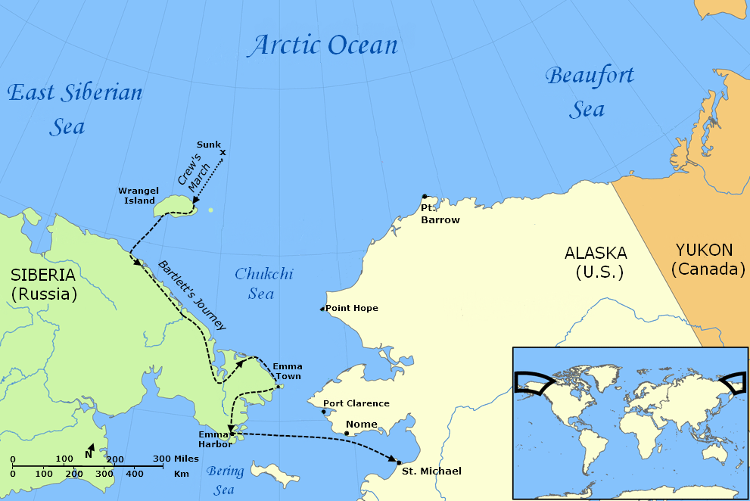
Map showing the route taken by Captain Robert Bartlett in his efforts to seek help for the stranded crew of the Karluk. (Source: wikipedia) 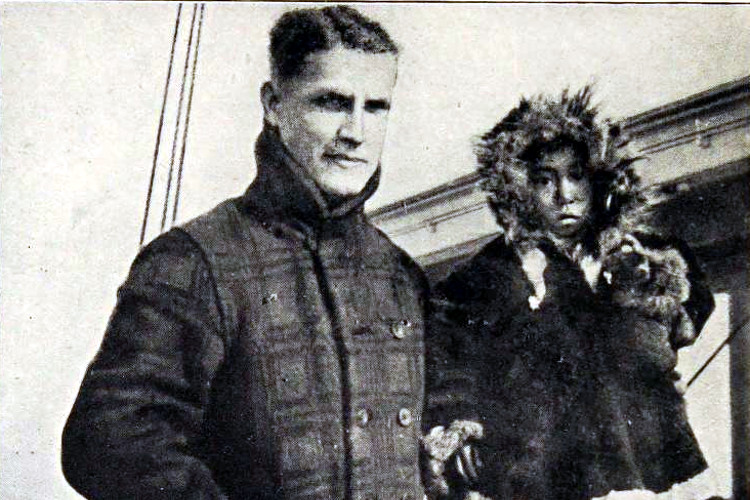
Fred Maurer, with an Inuit child, on the deck of one of the rescue ships after their rescue from Wrangel Island, September 1914. (Source: “The Adventure of Wrangel Island” by Vilhjalmur Stefansson via archive.org) 
New Philadelphia, Ohio newspaper headline announcing the rescue of the crew of the Karluk, September 1914. (Source: newspapers.com)
Enjoy my stories?


© Noel B. Poirier, 2025.
 Tuscarawas County Stories