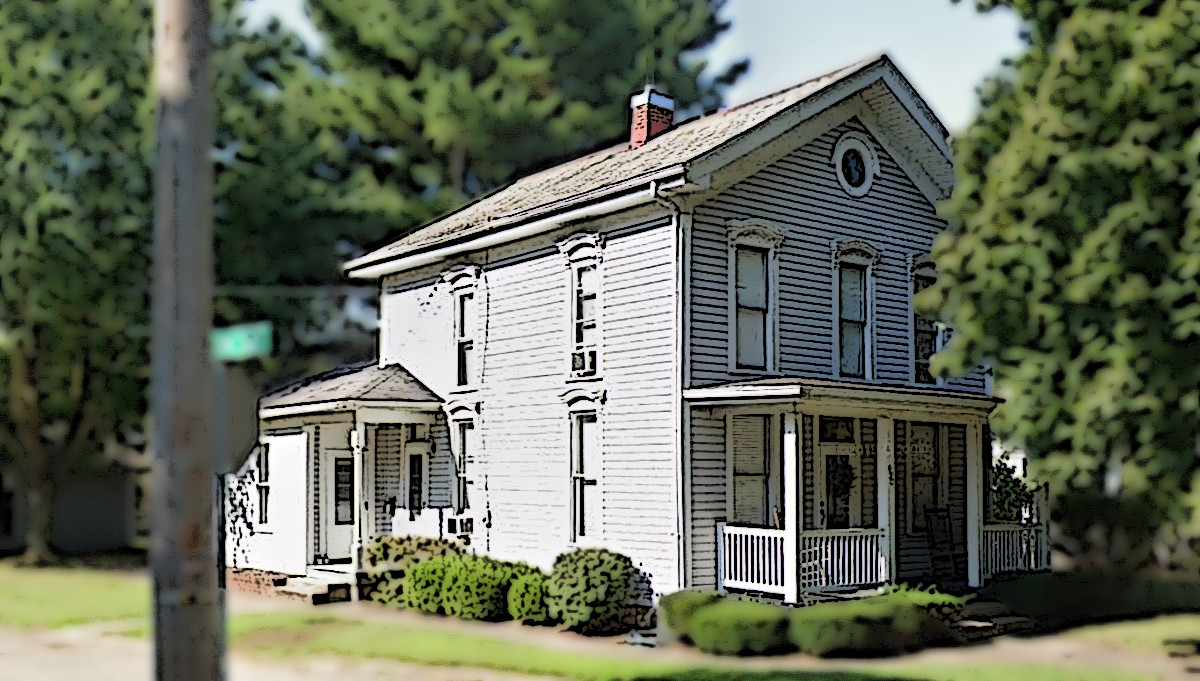
You may have seen this simple home as you travel into New Philadelphia on East High Avenue. It was occupied in the late 19th and early 20th century by the son of an immigrant who earned a reputation as a capable shoemaker and respected resident of New Philadelphia.
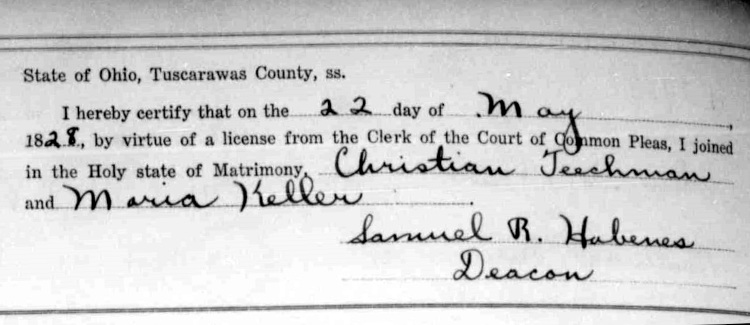
There is very little information on when, exactly, German immigrant Christian Teichman (c. 1795-c. 1840) arrived in Tuscarawas County in the early 1800s, though one source says he arrived in 1825. His marriage to Swiss-born Anna Maria Keller (1801-aft. 1850) was recorded in the Tuscarawas County records in the spring of 1828. Christian and Mary lived in Warwick Township, Tuscarawas County where they started a family that included four children, two sons and two daughters, born between 1831 and 1836.
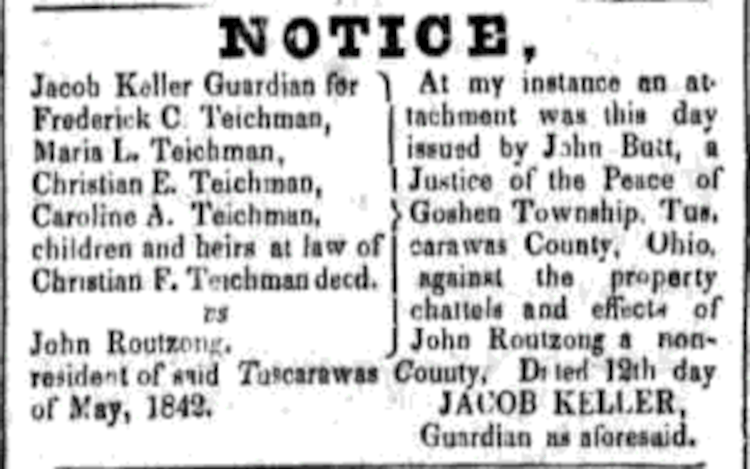
Christian died sometime between 1836 and 1840 and his four children were put under the guardianship of Jacob Keller (1803-1873). Among them was Frederick C. Teichman (1831-1911) who was sent to live on his uncle’s farm in Goshen Township. While there he learned the shoe making and leather working trade, though from whom is unknown. Anna Maria, Christian’s widow, remarried an older widower and raised his children rather than her own. Frederick, after reaching his majority, moved to New Philadelphia to work and married Mary Ditto (1836-1891) in the fall of 1854.
Frederick and Mary had three children, all sons, between 1854 and 1860 where the family was recorded as living in New Philadelphia. Frederick and his neighbor were both shoemakers suggesting that perhaps they were also working out the location as well. Frederick’s work was interrupted during the Civil War when he was called up to serve 100 days in the 161st Ohio Volunteer Regiment in the spring of 1864. Frederick returned to his shoe and boot making after the war and the family, by the 1880s was residing in the home on what was then called East Avenue.
Around the same time that the Teichman family moved into the house on East Avenue, Frederick was the foreman at a boot and shoe business in New Philadelphia. The house on East High was a gable-ended, two-story home in a simplified Italianate style of architecture. The tell-tale details were the tall, narrow windows, deep and overhanging eaves, and decorative window surrounds. It is difficult to determine when the front porch was added, but it was not uncommon for this style to have a front porch as well. The porch detail dates from at least before 1910 when the Sanborne Fire Insurance map shows the home with one.
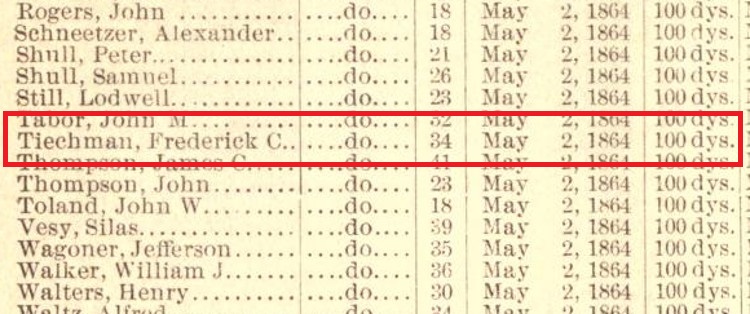
Frederick Teichman recorded on the muster roll for Company D, 161st Ohio Volunteer Infantry, 1864. (Source: archive.org) 
Frederick Teichman mentioned as foreman of the Eckert Boot and Shoe Store in New Philadelphia, Ohio, October 1882. (Source: newspaperarchive.com) 
The Teichman house and cobbler shop on East Avenue (East High) depicted on the 1910 Sanborne Fire Insurance Map for New Philadelphia, Ohio. (Source: loc.gov)
Two of the Teichman’s sons moved to the Cleveland area while the third found his way to Virginia, but in the fall of 1891 they all returned home to New Philadelphia. One of the Cleveland sons had contracted typhoid fever so seriously that he was returned home and, with his whole family by his side, died in October 1891. Shortly after, and perhaps connected to her son’s death, Mary Teichman also died. After six years as a widower, Frederick married Amanda McGrew (1859-1939) and the couple continued to reside in the house on East Avenue.
The new Mrs. Teichman held a number of church and social functions at the home on East Avenue during the first decade of the 1900s while Frederick continued his shoemaking, now from a small shop on the property. In the early spring of 1911 Frederick injured one of his feet and, before long, the wound became gangrenous. Frederick died from septic shock resulting from the gangrene in March 1911. Amanda Teichman, now collecting a widow’s pension for Frederick’s Civil War service, sold the Teichman house in August of that year. She died in November 1939. Frederick, Mary, Amanda and one of their sons are buried in the Fair Street Cemetery in New Philadelphia.

Frederick Teichman’s obituary in the New Philadelphia, Ohio newspaper, March 1911. (Source: newspaperarchive.com) 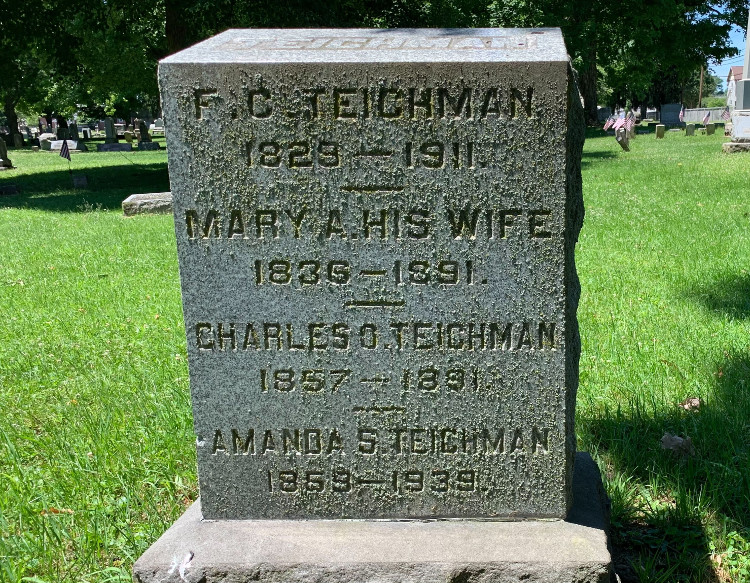
The Teichman family’s headstone in Fair Street Cemetery, New Philadelphia, Ohio, 2012. (Source: findagrave.com) 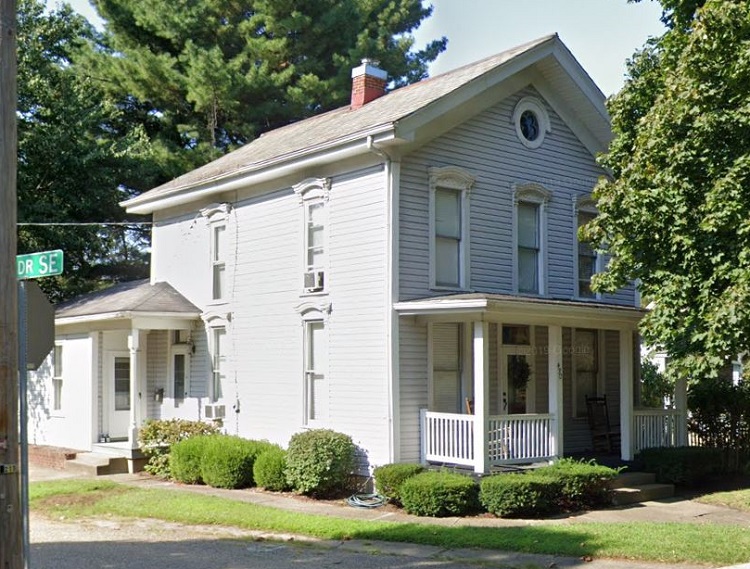
The Teichman House on East High Avenue, New Philadelphia, Ohio, 2019. (Source: google.com) 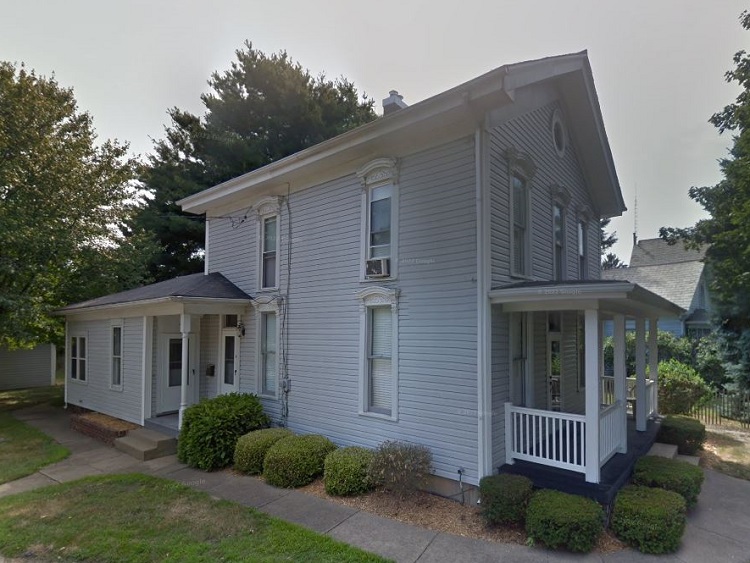
The Teichman House on East High Avenue, New Philadelphia, Ohio, 2012. (Source: google.com) 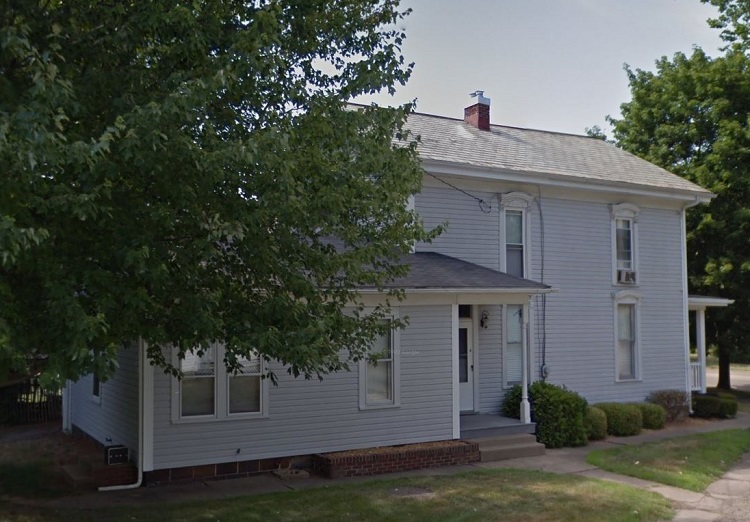
The Teichman House on East High Avenue, New Philadelphia, Ohio, 2012. (Source: google.com)

Like my stories?


© Noel B. Poirier, 2023.
 Tuscarawas County Stories